North India Rain and Mountain Roads: What Travellers Should Check After an Alert
North India weather searches have drawn attention around warnings. Anyone planning an overnight drive, hill-station visit or rail journey should check the district forecast and route-specific notices. A rain alert in one state does not mean every mountain road or city street is closed.
Current search context: IN: मौसम चेतावनी 10K+, active. This describes a snapshot of the selected 24-hour search feed. It does not independently prove any claim made in a related social post.
What is confirmed, and what still needs checking?
A reader should be able to repeat the check without trusting an anonymous screenshot. The research basis used for this article is: Google Trends India 24h; IMD and state transport advisories. The distinction is important because readers may search for the same phrase after a confirmed announcement, a live fixture or a rumour, and those cases call for different wording.
Terrain changes weather impact
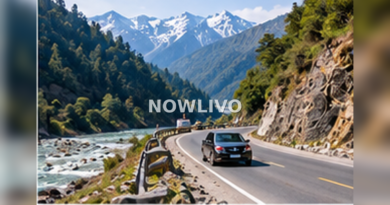
Rain that is manageable on a broad urban road can be much more hazardous on a steep slope, near a river crossing or beside an unstable retaining wall. Look for landslide, flash-flood and road-closure information from local authorities. Do not assume satellite navigation knows which lanes are temporarily unsafe.
Road status and weather status are separate
An IMD forecast identifies weather conditions; highway authorities and local police confirm access restrictions. A road may remain closed after the sky clears because debris removal takes time. Conversely, heavy rain may not close a particular route.
Start time is a safety decision
Avoid driving long mountain segments at night when visibility and emergency support may be limited. Build daylight into the itinerary and know where an overnight stop is available. A flexible plan can be cheaper than attempting to recover a missed booking under unsafe conditions.
Rail and air travel need direct checks
A storm can affect arrival schedules without cancelling an entire service. Use the train operator’s running-status service or the airline’s official flight status with the correct service number. Do not infer cancellation from a generic city weather headline.
Pack for delays rather than adventure aesthetics
Carry drinking water, essential medication, charging equipment and warm layers appropriate to altitude. Keep vehicle fuel above a safe minimum and avoid stopping at vulnerable roadside edges for photographs. Treat an official closure as a boundary, not a suggestion.
Five checks before acting
For this North India subject, begin with two concrete questions: what is known about terrain changes weather impact, and how does road status and weather status are separate affect the reader? The answers should come from a specific source, date and context, not from a search-result preview or a widely repeated claim.
- Terrain changes weather impact: Rain that is manageable on a broad urban road can be much more hazardous on a steep slope, near a river crossing or beside an unstable retaining wall. Look for an update time and distinguish live information from a completed outcome.
- Road status and weather status are separate: An IMD forecast identifies weather conditions; highway authorities and local police confirm access restrictions. Compare related explanations without treating copied claims as independent confirmation.
- Start time is a safety decision: Avoid driving long mountain segments at night when visibility and emergency support may be limited. If the information affects a decision, verify the exact restriction, status or eligibility that applies.
- Rail and air travel need direct checks: A storm can affect arrival schedules without cancelling an entire service. Find the responsible primary record and confirm that it refers to the same date and subject.
- Pack for delays rather than adventure aesthetics: Carry drinking water, essential medication, charging equipment and warm layers appropriate to altitude. Check the event or product identifier before relying on a summary or screenshot.
How to handle a conflicting post
A traveller headed to a hill town sees a heavy-rain alert for part of the region. They call their accommodation, check the state road bulletin and defer the last mountain segment until daylight rather than relying on a map ETA.
The example matters for readers searching for North India rain road alert travel because it separates the detail that can be checked from the assumption that follows it. Anyone preparing an update on “North India Rain and Mountain Roads: What Travellers Should Check After an Alert” should compare the original evidence with subsequent official information before describing a new outcome.
Questions worth checking
What is the most important thing to establish? — terrain changes weather impact?
Rain that is manageable on a broad urban road can be much more hazardous on a steep slope, near a river crossing or beside an unstable retaining wall. Look for landslide, flash-flood and road-closure information from local authorities. Do not assume satellite navigation knows which lanes are temporarily unsafe. State the location and date whenever either could change the meaning of the answer.
Where does the likely misunderstanding arise? — road status and weather status are separate?
An IMD forecast identifies weather conditions; highway authorities and local police confirm access restrictions. A road may remain closed after the sky clears because debris removal takes time. Conversely, heavy rain may not close a particular route. A popular post can omit conditions that are visible in the original document or full footage.
Which source or record should be checked? — start time is a safety decision?
Avoid driving long mountain segments at night when visibility and emergency support may be limited. Build daylight into the itinerary and know where an overnight stop is available. A flexible plan can be cheaper than attempting to recover a missed booking under unsafe conditions. Search-result snippets may be out of date, so the originating organisation is the stronger reference.
How might circumstances change the answer? — rail and air travel need direct checks?
A storm can affect arrival schedules without cancelling an entire service. Use the train operator’s running-status service or the airline’s official flight status with the correct service number. Do not infer cancellation from a generic city weather headline. Check later notices before acting: a live situation can change after the first report.
What should I avoid claiming without more evidence? — pack for delays rather than adventure aesthetics?
Carry drinking water, essential medication, charging equipment and warm layers appropriate to altitude. Keep vehicle fuel above a safe minimum and avoid stopping at vulnerable roadside edges for photographs. Treat an official closure as a boundary, not a suggestion. Do not infer a result, price, official decision or public consensus from a search count alone.
How to stay accurately informed
Use two confirmations—the weather authority for risk and the route authority for access—before committing to travel. Readers returning to this topic should first look for an updated official record or an on-the-record statement, then compare it with the information available when this article was prepared. Dates, match results, service availability and public warnings can change quickly, even if the original Google Trends query has already stopped rising.
Verification note: “North India Rain and Mountain Roads: What Travellers Should Check After an Alert” draws on the stated search context and related original sources. Its reader example is illustrative; it is not an additional newly witnessed event. Where a trend is only related, the article does not assert that the exact keyword was a confirmed Google Trends breakout.