Karnataka Sugarcane Protest: Shivakumar Seeks Modi Intervention
An appeal to the prime minister
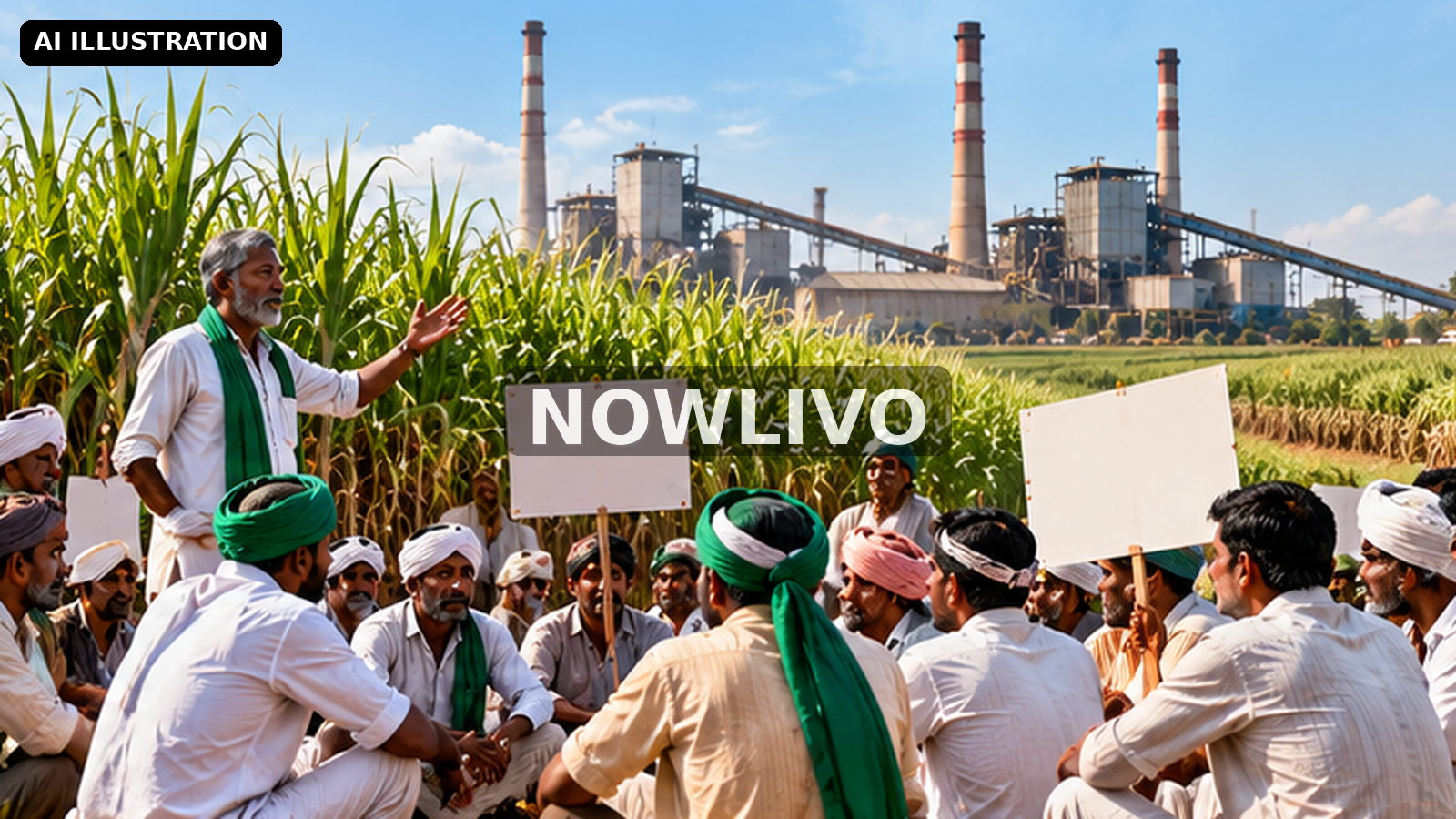
Karnataka Chief Minister D K Shivakumar has asked Prime Minister Narendra Modi to intervene in a dispute over sugarcane pricing and ethanol procurement as farmers continue protests in the state’s northern districts. The Economic Times reported the letter on October 19. The agitation has included marches and road blockades, while delays to the start of the crushing season are worrying growers and mills. The immediate dispute concerns how prices are set and who has the authority to change them, not simply a disagreement over one local purchase contract.
Shivakumar said he had met protesting farmers in the Belagavi district and urged them to withdraw their agitation, but that growers wanted action from the Centre. His letter requested changes to the minimum selling price of sugar, different pricing for domestic and commercial use, and a review of ethanol procurement rules. These are the chief minister’s proposals; they have not all been adopted. The next decision depends on central authorities and industry discussions as well as the farmers’ willingness to accept any offer.
Why the crushing season matters
Sugarcane cannot be stored indefinitely without consequences for quality and weight. When harvesting and crushing are delayed, farmers may face lower recovery and pressure on cash flow, while mills struggle to plan their operations. That makes the timing of negotiations important. A price adjustment announced after substantial losses have occurred may not fully address the immediate problem. The dispute therefore involves both the rate growers receive and whether the system allows cane to move to mills on schedule.
Farmers also argue that costs have risen while some regulated prices have not changed enough to reflect them. The minimum selling price of sugar and the fair and remunerative price for cane are related but distinct mechanisms. Changes to one do not automatically deliver an identical increase in the other. Mills need revenue from sugar and by-products to pay growers, while governments consider consumer prices and inflation. A lasting agreement must confront those trade-offs rather than promise that every participant can be made whole immediately.
The ethanol question
Shivakumar also challenged procurement arrangements that exclude certain cane-based ethanol feedstocks from a recent tender. Ethanol revenue can support mills and influence their capacity to pay farmers. But the economics depend on the type of feedstock, processing capacity, fuel-blending policy and the price oil marketing companies are willing to pay. The chief minister asked for revisions to procurement and pricing, arguing that current terms create difficulties for Karnataka producers. These are policy requests awaiting decisions, not evidence that all ethanol purchases have ceased.
The state has pointed to measures it says have improved transparency, including digital weighing systems and checks on recovery rates. Those changes address disputes between farmers and mills but cannot settle every question controlled by national policy. Responsibility is divided, which is why both the state and the Centre are being pressed. Farmers need clear information about which demand each government can meet and on what timetable. Without that clarity, negotiations can produce public statements while leaving practical uncertainty unchanged.
What a settlement would require
The next meaningful update would be a formal response from the Centre setting out which pricing and procurement changes are possible, the process for evaluating them and when decisions will take effect. Farmer representatives would then need to decide whether the offer addresses the reasons for their protest. Mill operators and state officials must also prepare to restart crushing promptly. A committee can help with complex calculations, but it needs deadlines and a credible route to action.
The dispute has wider significance for agricultural policy because it combines regulated prices, industrial processing and the transition toward fuel blending. For readers, the key is to distinguish demands, assurances and implemented changes. The October 19 letter shows that the conflict has reached the highest level of national government. Whether it resolves the agitation will depend on specific, workable decisions and the ability of farmers to see the benefits in payments and timely harvesting.
Further context and unresolved questions
The pricing debate becomes clearer when the different uses of sugarcane are separated. Mills can sell sugar, molasses and ethanol-related products, and changes in one market affect their overall cash flow. A higher minimum sugar selling price could increase revenue, but policymakers must consider the effect on buyers and whether the increase reaches farmers. A revised ethanol tender might improve demand for certain feedstocks, yet it would also need to fit fuel policy and procurement budgets. Farmers understandably focus on what they receive per tonne and when payment arrives; officials tend to discuss a broader set of market instruments. Negotiations will be more credible if they connect each proposed instrument to a measurable benefit for growers and explain the trade-offs openly.
The reported delay to crushing operations adds urgency because sugarcane quality and weight are time-sensitive. A grower cannot necessarily postpone harvest without cost while committees debate the formula. That is why an interim arrangement may be as important as a permanent policy revision. Any proposal should specify whether mills can resume operations, what price is payable immediately and how later adjustments would be settled. The state’s claims about improved weighing transparency are relevant because accurate measurement is fundamental to fair payment, but they do not resolve disagreements over the price itself. The outcome will depend on cooperation among farmers, mills, the state and central agencies. A useful follow-up will report what was agreed, when it takes effect and whether the protests actually end.
Further practical considerations
A credible negotiation would also explain how any new price applies to cane already delivered or standing ready for harvest. Farmers may face different losses depending on the timing of crushing and the condition of their crop. Clear rules on payment dates, deductions and dispute resolution could be as valuable as a headline increase in the announced rate.