New York Subway Shooting Fuels Dispute in Attorney General Race
A crime becomes a campaign issue
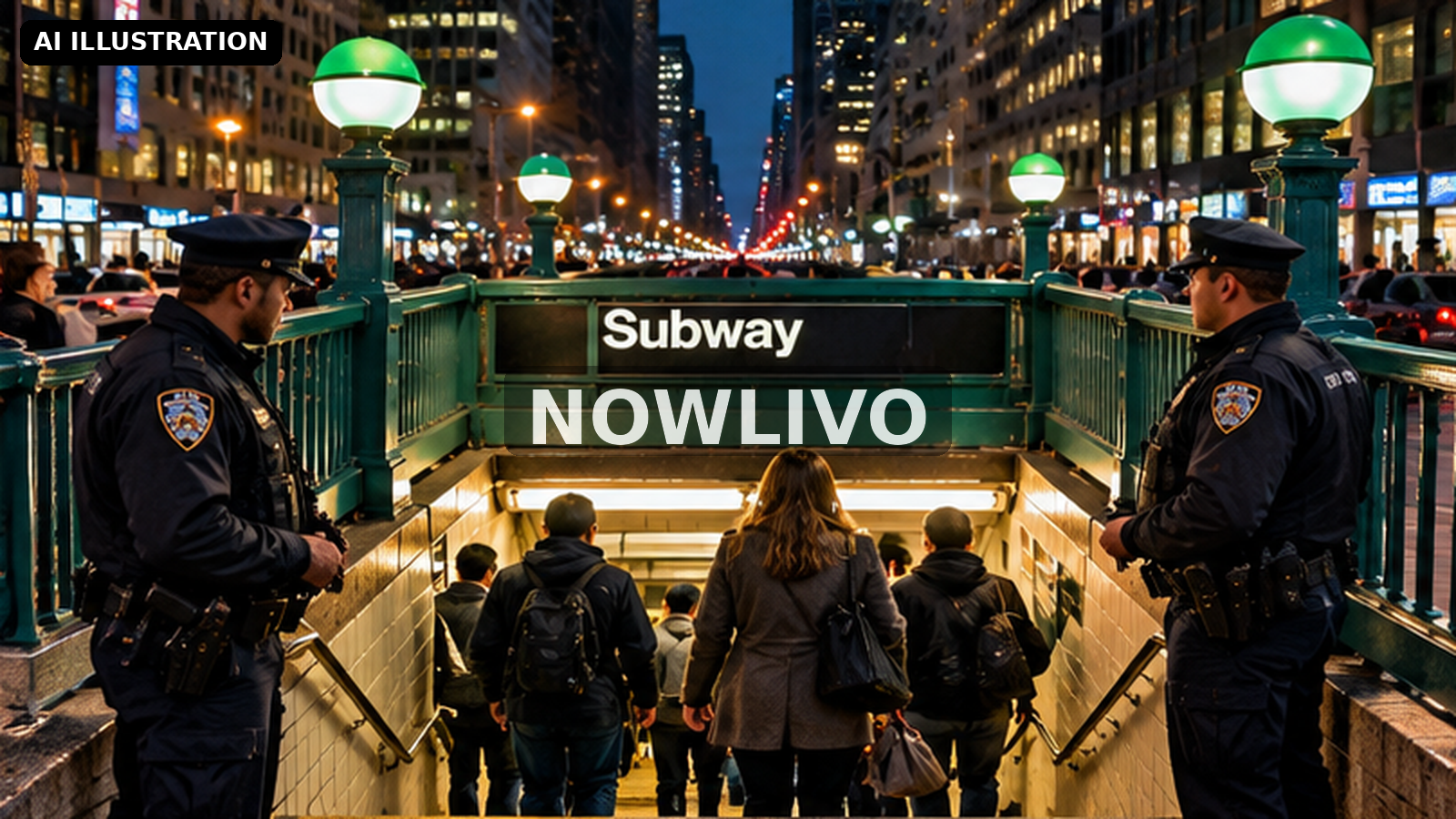
A fatal shooting in the New York City subway has become the focus of a dispute between attorney general candidates Saritha Komatireddy and Letitia James. The New York Post reported on October 18 that Republican challenger Komatireddy criticised the Democratic incumbent’s approach to transit crime, while James’s campaign defended its enforcement record. The shooting is a serious criminal incident in its own right. The political debate around it should not replace accurate information about the investigation or imply that one office directly controlled every decision related to the event.
Law-enforcement sources described the shooting as arising from a targeted altercation rather than a random attack, according to the report. That distinction matters for public understanding of risk, though it does not make the violence less grave. A single case cannot establish a systemwide crime trend. Campaigns may use a prominent incident to illustrate policy concerns, but readers should ask whether the statistics cited cover the same period, offence categories and transit locations.
What the candidates argue
Komatireddy accused James of prioritising investigations of police conduct over stronger action against violent offenders. She proposed a transit-crime strike force and cited an increase in felony assaults. James’s campaign responded by pointing to work on gun removals and criminal networks, and accused the challenger of politicising a tragedy. These are competing campaign claims. A fair account should describe the proposals and the incumbent’s record without adopting either side’s interpretation of the cause of the shooting.
The New York attorney general’s office has broad legal responsibilities, but day-to-day policing of the subway involves other agencies, including the police department and transit authorities. That division of responsibilities is important when evaluating campaign promises. An attorney general may influence investigations, litigation and cooperation among agencies without personally directing every patrol or prosecution. Readers should distinguish what a candidate could do within the office’s legal powers from changes that would require other officials, legislation or funding.
How to understand crime statistics
The report included competing numbers: a claim about higher felony assaults, a small increase in overall subway crime and declines in certain citywide violent-crime categories. Those measures can all move in different directions because they count different events. A percentage increase may also be affected by the size of the original baseline. Before concluding that transit is becoming uniformly more or less dangerous, analysts should compare consistent periods, geographic areas and offence definitions.
Public fear does not always track recorded crime in a simple way. A highly visible incident can affect how people feel about travel, particularly at night or in crowded stations. Officials have a responsibility to communicate risks honestly and explain the steps being taken. Overstating danger can generate panic, while dismissing concern can undermine trust. The most useful reporting combines the circumstances of the specific shooting with reliable longer-term data and the limits of what each statistic shows.
What voters can evaluate
As the attorney general race continues, candidates can be assessed through their documented proposals, legal powers, prior actions and explanations of how new measures would work. A strike force, for example, would require decisions about jurisdiction, staffing and cooperation with local police. Claims about thousands of weapons removed also need context about the time period and agencies involved. Neither figure by itself proves that a policy would prevent a future incident. The question is whether the proposals are practical and supported by evidence.
The October 18 dispute illustrates how public safety and election campaigning intersect. The victim and criminal investigation should remain central, while political claims receive careful scrutiny. Readers can follow police updates separately from campaign messaging and avoid assuming that a tragic case supplies a definitive verdict on an entire administration. The most informative next developments will be confirmed investigative findings, comparable crime data and detailed policy explanations from both campaigns.
Further context and unresolved questions
Transit crime is a shared governance problem rather than the responsibility of one elected official. Police investigate incidents, prosecutors decide charges, transit agencies manage station conditions and lawmakers set parts of the legal framework. An attorney general can bring cases and coordinate enforcement, but the powers of the office have limits. Campaign promises should be evaluated against those limits. For example, creating a specialised strike force would require clear legal authority, funding and agreements about information sharing. Without those details, the proposal is a political commitment rather than an operational plan. The incumbent’s claims about gun removals likewise need to be connected to the specific work of the office and the period in which results were recorded. Numbers without context can make very different activities look directly comparable.
Public concern after a shooting is understandable, particularly for people who rely on the subway every day. But a targeted altercation and a random attack have different implications for how risk is communicated. Officials should describe the evidence available while protecting the investigation and the victim’s family. The campaign dispute may intensify, yet readers benefit from keeping two timelines separate: the criminal case, in which evidence and charges matter, and the election, in which candidates argue over policy. Conflating them can unfairly imply that a contested campaign statement establishes criminal facts. Future reporting should provide verified updates on the investigation and independently comparable crime data rather than amplifying whichever statistic is most politically convenient.
Additional perspective
A useful comparison would separate the number of incidents from the number of passengers using the system. Ridership can change, affecting how frequently people encounter risk. Even a rate adjusted for ridership cannot capture every aspect of safety, such as harassment or the fear created by a violent episode. Officials should explain what their chosen measures include and exclude.