Why Salman Khan’s Paparazzi Warning Has Reignited the Debate About Respect for Actresses
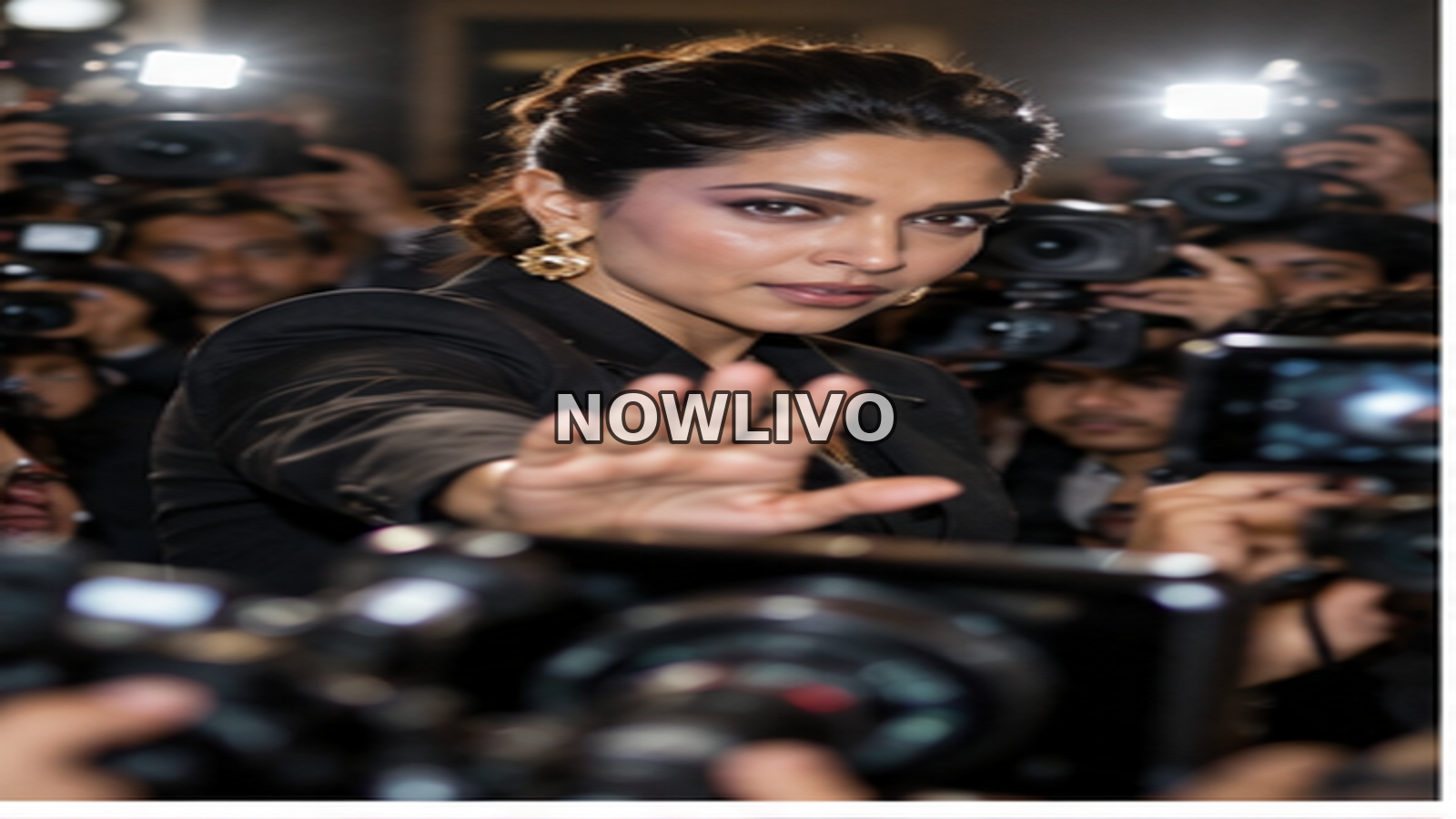
Salman Khan’s recent warning to paparazzi has become one of the most discussed Bollywood moments of the day because it touched a nerve that goes far beyond one press interaction. At a media-heavy event, he objected to photographers capturing actresses from intrusive and disrespectful angles, and the clip quickly spread across entertainment portals and fan pages.
What made the exchange travel so fast is that it sat at the intersection of celebrity culture, gender politics and the rules of modern gossip media. Fans saw a major star calling out a practice many people dislike but rarely confront in public. Critics asked whether such comments can lead to change or whether the story will fade after the viral cycle moves on.
What happened
The immediate trigger was a public event where Salman addressed photographers directly and reminded them that actresses deserve dignity when they are photographed. His remarks did not appear out of nowhere. He has voiced similar frustration before, especially about the way certain images are framed for maximum clicks rather than basic respect.
This time the sharper tone, the visible frustration and the instant circulation of short video clips turned the moment into a wider media debate. What might once have been dismissed as a star scolding the press was instead interpreted as a challenge to a whole style of celebrity coverage.
The important detail is not only that Salman spoke up, but that he linked the issue to respect for women in the industry. That helped shift the story from casual gossip to a more serious entertainment conversation.
- The exchange took place at a Mumbai press event.
- The focus of his comments was respect for actresses and privacy boundaries.
- Short video clips amplified the story within hours.
Why the story is trending
Paparazzi culture has changed dramatically in the social-media era. Images are no longer simply taken for print publication and archived; they are uploaded, clipped into reels, reposted by fan accounts and discussed instantly. That speed rewards sensation, and sensational coverage often pushes photographers toward more invasive framing.
Salman’s intervention matters because he is speaking from a position of unusual clout. When a celebrity of his stature criticises media behaviour, the comment reaches photographers, editors, PR teams and audiences at the same time. Even those who dislike the tone still have to engage with the subject of the criticism.
The discussion also resonates because actresses are often judged more harshly and watched more invasively than male stars. That double standard is one reason the exchange has remained a talking point instead of vanishing as a one-day soundbite.
Public reaction and industry context
Public reaction has been split in revealing ways. Many viewers backed Salman strongly, arguing that he said aloud what many insiders privately complain about. Others agreed with the principle but questioned whether the industry applies such standards consistently. A third camp argued that paparazzi culture exists because celebrity culture itself rewards visibility until a line is crossed.
That split is useful because it shows the story is not just about one actor being irritated. It is really about who controls celebrity imagery, who profits from it and how much dignity gets sacrificed for reach.
For entertainment media, the incident has highlighted a growing tension: audiences still want proximity to stars, but they are increasingly uncomfortable with dehumanising forms of coverage.
Why it matters beyond the headline
Across entertainment industries, there is a wider push for more carefully managed media access, especially around women, children and personal grief. Yet the commercial pressure for fresh and clickable celebrity content often pushes in the opposite direction.
In that sense, Salman’s comments fit into a larger argument about where gossip ends and disrespect begins. Attention is part of the business, but humiliation should not be.
If nothing else, the moment reminded viewers that the politics of the camera matter just as much as the glamour in front of it.
What to watch next
The next thing to watch is whether other actors, actresses or industry bodies echo the concern. If more people speak publicly, the story could evolve from one clip into a larger conversation about event protocols and press etiquette.
It will also be worth seeing whether organisers begin setting firmer rules for photographers at high-profile launches and award promotions.
Bottom line
Salman Khan’s warning resonated because it was not only celebrity drama. It captured a real discomfort at the heart of modern entertainment coverage: the race for attention often rewards the most invasive image.
Whether it leads to lasting change or not, the exchange has already achieved one thing. It has made respect in celebrity coverage a mainstream entertainment topic rather than a backstage complaint.
The debate may look like a small media scuffle on the surface, but it keeps returning because it reflects a much larger tension between visibility, commerce and dignity in the celebrity ecosystem.
The debate may look like a small media scuffle on the surface, but it keeps returning because it reflects a much larger tension between visibility, commerce and dignity in the celebrity ecosystem.
The debate may look like a small media scuffle on the surface, but it keeps returning because it reflects a much larger tension between visibility, commerce and dignity in the celebrity ecosystem.
The debate may look like a small media scuffle on the surface, but it keeps returning because it reflects a much larger tension between visibility, commerce and dignity in the celebrity ecosystem.
The debate may look like a small media scuffle on the surface, but it keeps returning because it reflects a much larger tension between visibility, commerce and dignity in the celebrity ecosystem.