Supreme Court Seeks EC Reply on Maharashtra Voter Deletions Ahead of November Roll Deadline
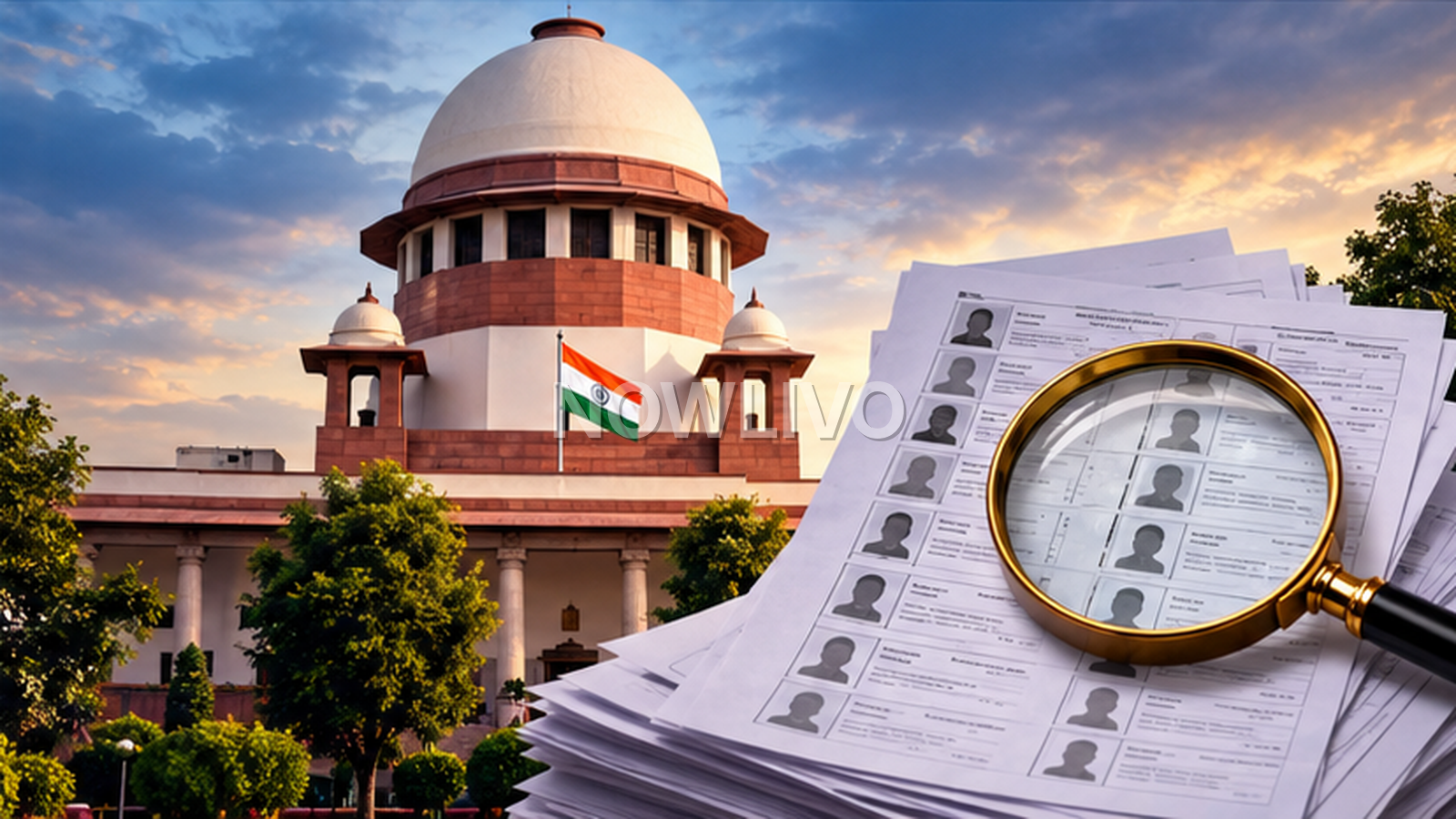
The Supreme Court on Monday, October 26, sought responses from election authorities over a challenge to Maharashtra's special intensive revision of electoral rolls, bringing the state's disputed voter deletions into a fresh round of judicial scrutiny. The bench, led by Chief Justice Surya Kant, listed the matter for November 5, one day before the Election Commission is expected to publish the final state roll after considering claims and objections. The court's action is a procedural development: it has agreed to examine the petition, not declared the entire exercise unlawful.
The petition was filed by Arun Anandagiri, described in court reporting as a chartered accountant and journalist. His lawyer argued that many voters, including people temporarily displaced by urban redevelopment in Mumbai and Pune, were marked as untraceable and excluded from the draft list. The case raises questions about how authorities distinguish a permanently missing voter from a resident who has moved temporarily while retaining an eligible connection to the constituency.
What the petition alleges about deletions
Reports cited official figures showing approximately 20.68 million names excluded from Maharashtra's draft rolls, representing about 21.14% of the previously registered electorate. The state election office said the people concerned could not be traced at their listed addresses during the revision exercise. The petitioner challenged aspects of the process and sought protection for voters whose names had appeared on the earlier roll. The scale of the draft exclusions is significant, but it does not mean a court has found that every exclusion was wrongful.
The petition also raised what its lawyers described as additional discrepancies in electoral data. Those allegations must be distinguished from findings made by a court. A draft list is not the same as the final list: eligible voters may have an opportunity to submit claims and objections before the final publication. The central legal question is whether the revision procedures, notice and remedies are adequate to protect eligible citizens from being excluded.
Counsel also questioned the route available to people seeking to restore a deleted name. Form 6 is normally associated with applications for inclusion in the electoral roll, and the argument before the court concerned whether previously registered people could be exposed to legal risk by using a form that refers to first-time registration. The bench reportedly reassured affected applicants that they would not be prosecuted simply for making such applications. That statement addresses one concern raised in the hearing; it does not resolve the full challenge.
Why November 5 and 6 matter
The timing gives the litigation unusual urgency. The next hearing is scheduled for November 5, while the final electoral roll is expected on November 6. A court decision, administrative clarification or revised instruction before publication could influence how unresolved objections are handled. If no such change occurs, voters may still need to rely on the procedures and deadlines communicated by election authorities.
The petitioner sought interim relief that would pause the revision or prevent the deletion of voters who had appeared on the pre-revision list while the case is heard. The court's decision to seek responses should not be reported as a grant of that relief. Readers should watch for a specific interim order rather than assume that the process has been suspended merely because notices were issued.
Electoral-roll accuracy is a balancing task. Authorities have a legitimate responsibility to remove duplicate, deceased or otherwise ineligible entries, while eligible voters must have a fair chance to correct errors. In a state with extensive internal migration and urban redevelopment, the practical design of address checks can affect large numbers of people. That is why the evidence about notices, field verification and restoration procedures will be important at the next hearing.
What voters can do while the case continues
Anyone concerned about their status should consult the Election Commission's official voter-search and claims process, rather than rely on a viral list or an unofficial screenshot. A person's absence from a draft roll should be checked against the current official record and the available objection procedure. Deadlines and form requirements can change as the revision progresses, so the relevant local election office remains the source for operational instructions.
The distinction between a draft deletion and a final disenfranchisement is particularly important for readers who encounter alarming percentages online. The draft figure describes entries missing at a specific stage of revision, while claims, objections and any judicial directions may change the final position. Some records may represent legitimate removals; others may involve errors that need correction. The court's review is intended to examine whether the process provides lawful safeguards. Neither the petitioner nor the Election Commission has received a final merits ruling in this proceeding, and the public should not be told otherwise.
The court has not yet decided whether Maharashtra's revision was valid or invalid. Monday's development is that the challenge has been formally put to the authorities with a hearing scheduled immediately before the final-roll deadline. That combination of a large disputed draft exclusion and a near-term court date gives the story continuing significance, with the next genuine update likely to be a filed response, interim direction or ruling.