Filmmaker Sanjay Gupta Dies at 59; Kajol, Sanjay Dutt and Bollywood Colleagues Pay Tribute
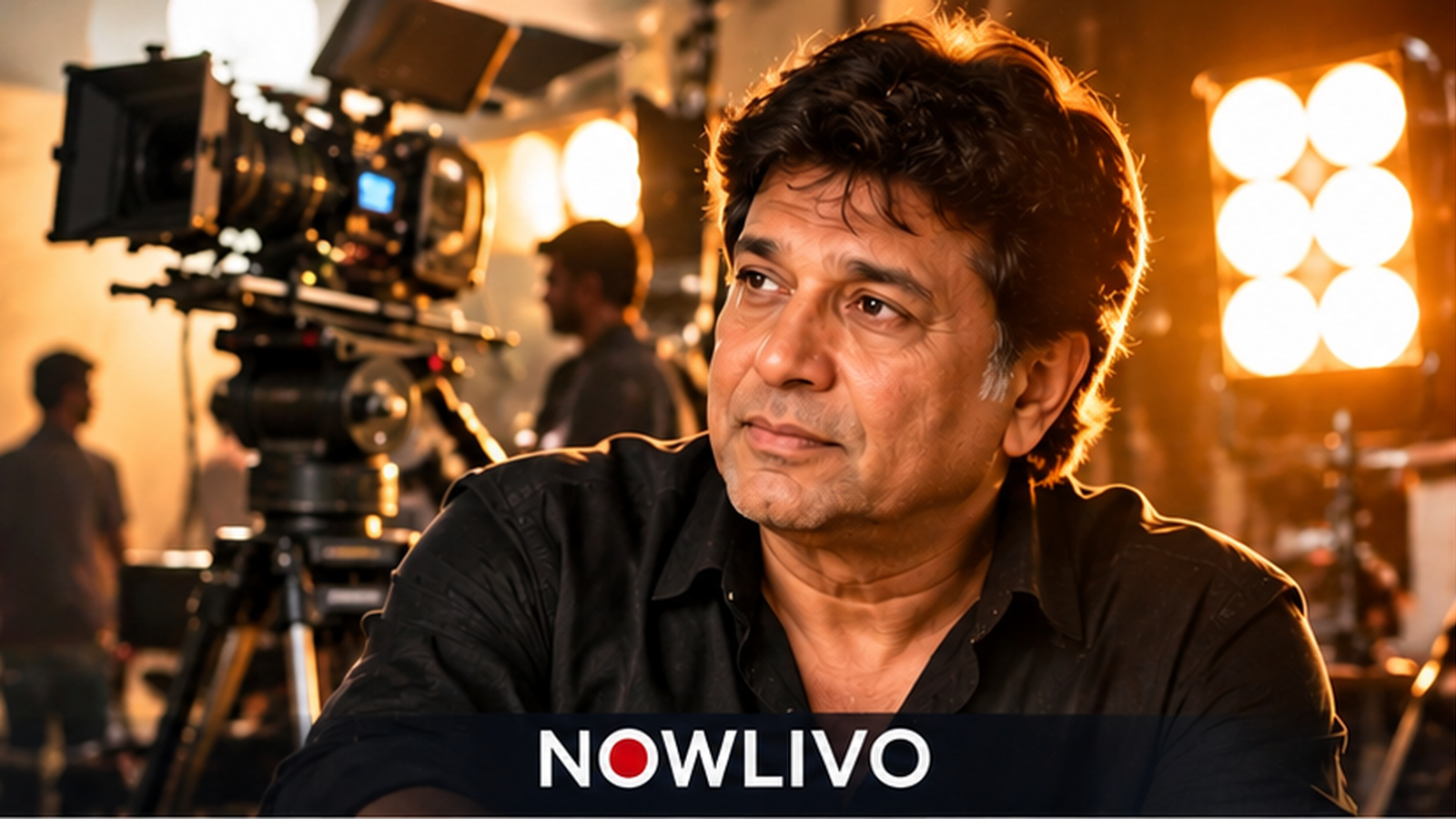
Filmmaker Sanjay Gupta, whose action dramas helped define a particular era of Hindi commercial cinema, has died at 59, prompting tributes from actors, directors and colleagues on Saturday, October 31. Reports from Mumbai said Gupta suffered a fatal injury after a fall at his residence. The news spread through the film industry during the day, with people who had worked alongside him remembering his energetic approach to storytelling and his long association with crime thrillers. The circumstances are being examined by police, and the early accounts should not be mistaken for a completed investigative finding.
The loss has resonated beyond a single film or generation of moviegoers. Gupta was associated with projects ranging from Aatish and Kaante to Shootout at Lokhandwala, Shootout at Wadala and Kaabil. Some were gritty ensemble films built around crime and confrontation; others paired larger-than-life performances with polished songs and a highly stylised visual language. Whatever audiences thought of individual titles, his filmmaking identity was recognisable, and the actors who worked with him have spoken of a director who brought conviction to that style.
What has been reported about his death
Mumbai Police said Gupta suffered a fall at his home, according to reporting on October 31. A police account cited by The Times of India described an incident in the bathroom and said other people were present at the residence. The same report said family members had not raised suspicions at that stage and that necessary procedures were continuing. These are attributed early accounts, not a basis for speculation about any undisclosed medical condition, motive or other cause. No additional conclusion should be drawn simply because police are following their normal procedures.
The first public reactions included expressions of shock from people in the industry. Filmmaker Ashoke Pandit publicly mourned Gupta, while subsequent reporting described messages from Kajol, Sanjay Dutt and Raveena Tandon. Sanjay Dutt's response drew particular attention because the actor had a professional association with Gupta dating back to earlier projects. The tributes reflected the close working relationships that can form across long film productions, even when collaborators later pursue very different kinds of roles or films.
A director identified with the crime thriller
Gupta began directing in the 1990s and built a career at a time when Hindi cinema was experimenting with international action influences, metropolitan crime stories and music-video-inspired presentation. Aatish: Feel the Fire was among his early films. Kaante became one of his most recognisable projects, with its ensemble cast, tense confrontations and conspicuously stylised look. Its reputation among viewers has continued to be discussed years after release, especially by fans of the crime genre.
The Shootout films were another important part of his public identity. Shootout at Lokhandwala and Shootout at Wadala placed Mumbai crime narratives in a high-impact commercial format. Such films often provoke debate over the line between dramatisation and history, but they also reached audiences who enjoyed the combination of action, performance and memorable music. Gupta's broader filmography included Musafir, Zinda, Jazbaa and Mumbai Saga, illustrating that his work was not limited to a single cast or decade.
His career was also tied to actors who moved between mainstream blockbusters, supporting roles and more experimental work. Collaborations across that range helped make Gupta a familiar name even to people who did not closely follow film directors. In a business where a successful screen persona can dominate the marketing, he was one of the filmmakers whose visual approach and genre preferences remained part of the conversation around a release.
Why the tributes have struck a chord
The responses on Saturday were not simply a list of famous names. Many referred to the surprise of the news and the personal relationships that develop during film shoots. The Hindi film industry is built on repeat collaborations, with directors, performers, technicians and producers often meeting again across years. Gupta's credits linked him to several overlapping circles of collaborators, which helps explain the breadth of the reaction.
For audiences, the news also invites a look back at an era of Hindi thrillers that relied on dramatic confrontations, elaborate action staging and striking soundtracks. Streaming platforms and television reruns have given many of those films a second life. Younger viewers may know the titles without necessarily knowing how closely they were associated with one director's tastes and choices. That context is part of why a filmmaker's death can generate interest well beyond a conventional obituary.
What remains to be clarified
As of the October 31 reporting reviewed for this article, police inquiries and formalities were still being described as ongoing. Reports should be updated only when officials or the family provide material additional information. The available accounts support reporting Gupta's death, the reported fall and the industry's reaction; they do not justify speculation about private circumstances or unverified claims circulating online.
Gupta leaves a filmography that spans more than three decades of changing audience tastes and production styles. The immediate response from colleagues shows the professional and personal impression he made, while his work will remain accessible to viewers who want to revisit the films that made him a recognisable figure in Hindi cinema.