
INDIA Bloc Readies Fresh Bid to Remove CEC Gyanesh Kumar
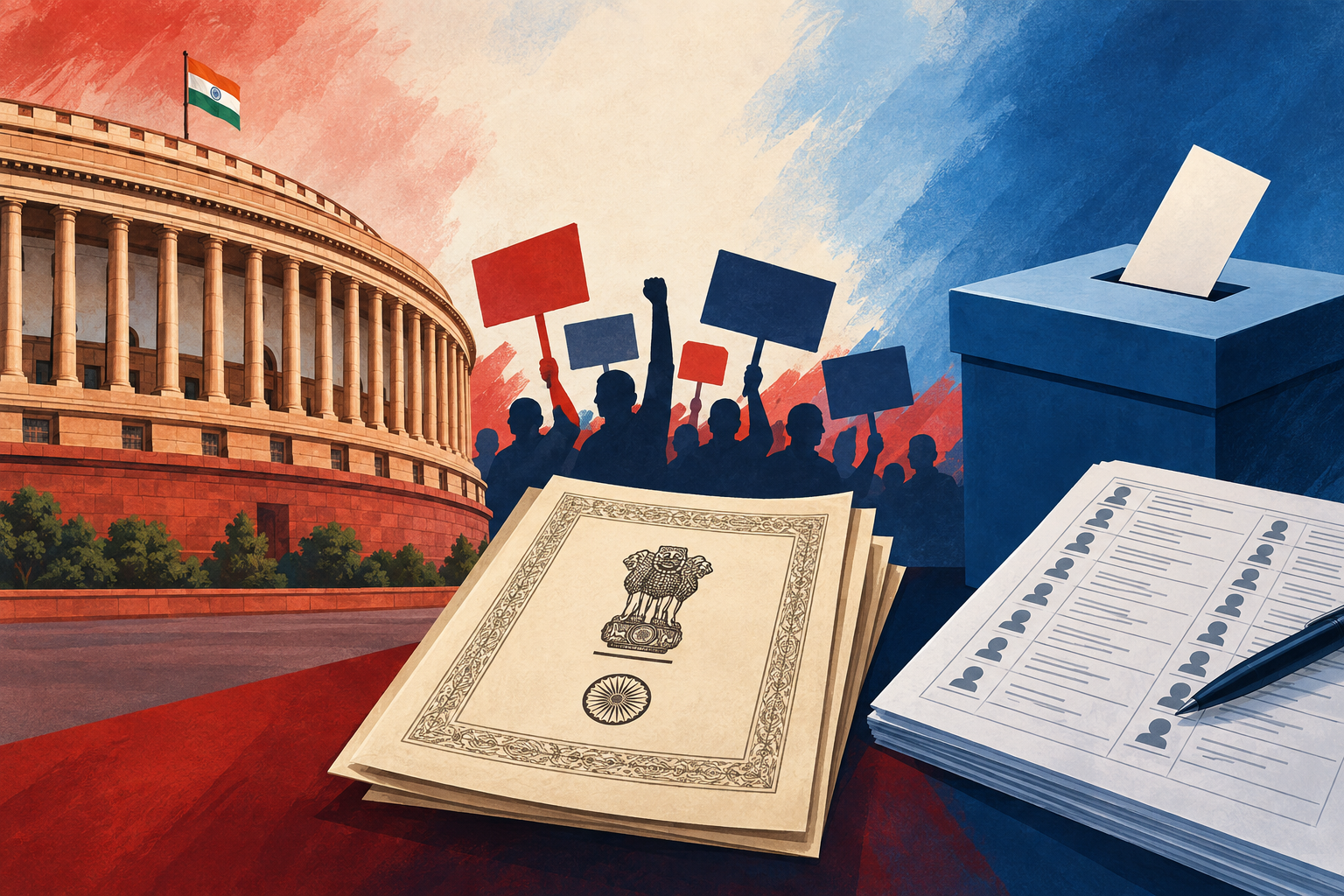
NEW DELHI: The INDIA bloc is preparing a fresh parliamentary attempt to remove Chief Election Commissioner Gyanesh Kumar, while its constituents plan nationwide protests over allegations concerning electoral-roll revisions and the functioning of the Election Commission.

Opposition leaders are expected to submit new notices in the Lok Sabha and Rajya Sabha as early as next week. The proposed motion is being drafted and reviewed by legal experts before it is circulated for signatures, according to people familiar with the initiative.
The planned action follows renewed political scrutiny of the Commission after internal records reportedly showed that Election Commissioners Sukhbir Singh Sandhu and Vivek Joshi raised objections on multiple occasions to aspects of voter registration, deletion procedures, changes to Form 6 and the centralisation of electoral-roll systems.
Opposition links motion to election campaign
Congress leader Rahul Gandhi has accused the Commission and its leadership of facilitating what he describes as “vote theft” through changes to electoral rolls. He has demanded Kumar’s resignation and claimed that concerns recorded by the two other commissioners support the Opposition’s wider allegations.
Those accusations have not been established by a court or an independent inquiry. The Election Commission has repeatedly rejected claims that electoral exercises were manipulated and has asked political parties to submit specific evidence through the prescribed legal process.
The Congress Working Committee is scheduled to discuss the party’s protest strategy on Tuesday. INDIA bloc parties are also considering demonstrations across the country, although a detailed calendar, venues and the participation of individual alliance partners had not been announced.
Separately, the Cockroach Janta Party has announced an “Election Commission Thik Karo” campaign and threatened a nationwide agitation and an indefinite protest in Delhi unless Kumar resigns. Its leaders have called for an independent investigation and the publication of records related to electoral-roll decisions.
Earlier notices did not advance
The latest initiative would follow previous Opposition efforts to begin removal proceedings against Kumar. A notice dated March 12, 2026, and signed by 130 Lok Sabha members was refused admission by Speaker Om Birla on April 6 after an assessment under the Judges (Inquiry) Act. A corresponding notice in the Rajya Sabha was also rejected.
Opposition MPs subsequently submitted another notice in the Rajya Sabha on April 24. That document, backed at the time by 73 MPs, listed allegations of “proved misbehaviour” relating to the Special Intensive Revision of electoral rolls and the Commission’s conduct toward political parties. The charges remain allegations, and the pending notice has not resulted in a finding against Kumar.
The new draft is expected to incorporate the recently reported objections within the three-member Commission. Opposition parties argue that the records raise questions about whether some administrative and technological decisions were properly considered by the full panel.
How a CEC can be removed
Removing a chief election commissioner requires substantially more than a simple parliamentary majority. Article 324(5) of the Constitution provides that the CEC may be removed only in the same manner and on the same grounds as a Supreme Court judge: proved misbehaviour or incapacity.
Under the applicable parliamentary procedure, a removal notice requires signatures from at least 100 Lok Sabha members or 50 Rajya Sabha members. The Speaker or Rajya Sabha Chairman may admit or refuse the motion after examining the material submitted.
If admitted, the presiding officer constitutes a three-member inquiry committee comprising a Supreme Court judge, a High Court chief justice and a distinguished jurist. Only if the committee finds the charge proved can the motion proceed to voting.
Each House must then approve the address to the President in the same parliamentary session. Approval requires both a majority of the total membership of the House and at least two-thirds of members present and voting. The President issues the final removal order. The high threshold means a successful motion would require significant support beyond the Opposition alliance.
Election Commission rejects irregularity claims
The Election Commission has disputed the suggestion that internal observations demonstrate unlawful or unilateral decision-making. In its latest public response to the underlying controversy, it said differing views and technical observations are normal within a multi-member constitutional institution.
The Commission maintained that final decisions concerning the Special Intensive Revision and other electoral matters were approved unanimously, followed statutory procedures and carried full legal authority. It also said a recent public statement defending its processes had the approval of the full Commission.
Bharatiya Janata Party spokesperson Sudhanshu Trivedi has rejected the Congress campaign and defended the Commission’s voter-verification measures. He accused the Opposition of resisting transparency and argued that applicants seeking inclusion in electoral rolls should provide the documentation required under the revised process.
The dispute is now set to move simultaneously through Parliament and political protests. Until an inquiry or competent authority reaches a finding, the Opposition’s claims remain contested allegations, while the Commission’s defence of its procedures remains central to the escalating institutional debate.