How to Check a Job Posting Before You Apply
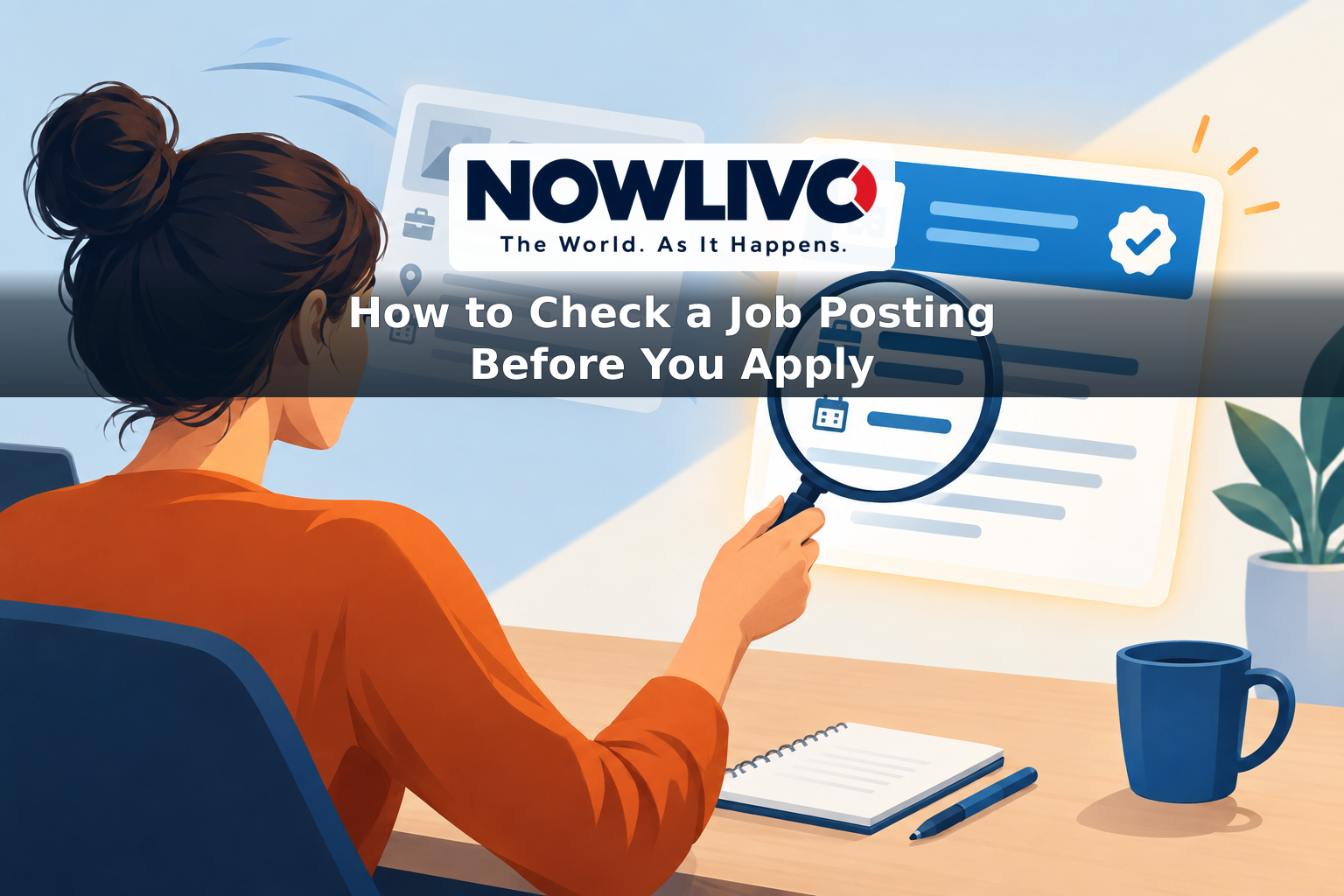
Finding a promising job takes effort. Tailoring a résumé, writing a cover letter and completing an application can take much longer. Before investing that time, check whether the opening appears to be real and actively hiring.
Not every unproductive listing is a scam. Some ads remain online after a role is filled; others may describe a position an employer has not decided to fill yet. Fraudulent posts are different: they may impersonate a company to collect money or personal information. You cannot always tell which situation you are facing, but you can look for evidence before applying.
Start with the employer’s own careers page
Find the company’s website independently rather than relying on a link in the ad. Search its careers page for the title, location and, if available, job identification number. Check whether the application leads to a system the company uses for recruiting.
A match is a useful signal, not a promise that the role is still open. If you cannot find the job, pause before ruling it out: a staffing agency might be hiring on the employer’s behalf, or a listing may have just been removed. But if an outside ad is old and the company’s careers page no longer shows the position, it is reasonable to ask for confirmation before preparing a detailed application.
Read for a specific hiring need
A credible posting should give you enough detail to judge the work: responsibilities, required skills, location or remote-work expectations, and the type of employment. A description dominated by promises of easy money, with little explanation of the job itself, deserves closer scrutiny.
Look at the posting date, too. An older ad is not automatically fake; difficult-to-fill positions can stay open. Repeatedly seeing the same vague role without a clear explanation of what the employer needs, however, is a reason to check whether recruitment is active. If you can reach a legitimate recruiter or hiring contact, ask a simple question: “Is this position currently open and accepting applications?”
Verify the person contacting you
Scammers can copy company names, logos and job descriptions. If someone contacts you about a listing, inspect the full email address and watch for a domain that only resembles the employer’s. A personal email account, an unexpected text offering a job or pressure to move immediately to a messaging app should prompt you to slow down.
Check the recruiter through a channel you found yourself, such as the company’s main website or a confirmed professional profile. Do not treat a polished profile or a verification badge as proof that the particular vacancy is open. Those details may help establish identity, but they cannot tell you whether a hiring decision has been made.
Protect your information and your time
An ordinary initial application may ask for a résumé, contact details and work history. Be wary of requests for a Social Security number, banking information, identification documents or payment before you have verified the employer and progressed through a genuine hiring process. An offer made before a meaningful interview is another warning sign.
Never pay a fee to secure a job. If a supposed employer sends you a check and instructs you to buy equipment or send some of the money elsewhere, stop: the check may later be returned as fraudulent, leaving you responsible for the money you spent.
Time matters as well. If a listing seems uncertain, do not begin an extensive unpaid assignment just to find out whether the vacancy exists. First confirm the role, the hiring organization and the next steps. Keep a record of where you applied so you can spot duplicate ads and avoid sending your information repeatedly to questionable forms.
Make a quick go-or-no-go decision
Before applying, ask yourself three questions: Can I verify the employer? Can I confirm that this specific role is accepting candidates? Am I being asked only for information appropriate to this stage? If the answers are yes, apply. If they are unclear, ask for clarification. If the contact demands money, sensitive data or an immediate decision while avoiding basic questions, walk away and report the listing on the platform where you found it. In the United States, suspected job scams can also be reported to the Federal Trade Commission.
No checklist can guarantee an interview. It can, however, help you spend your job-search hours on opportunities with a better chance of being genuine.