
Who Is Hamam Al-Hammami? What Is Known About the Flydubai Co-Pilot Accused in the Israel-Bound Flight Attack
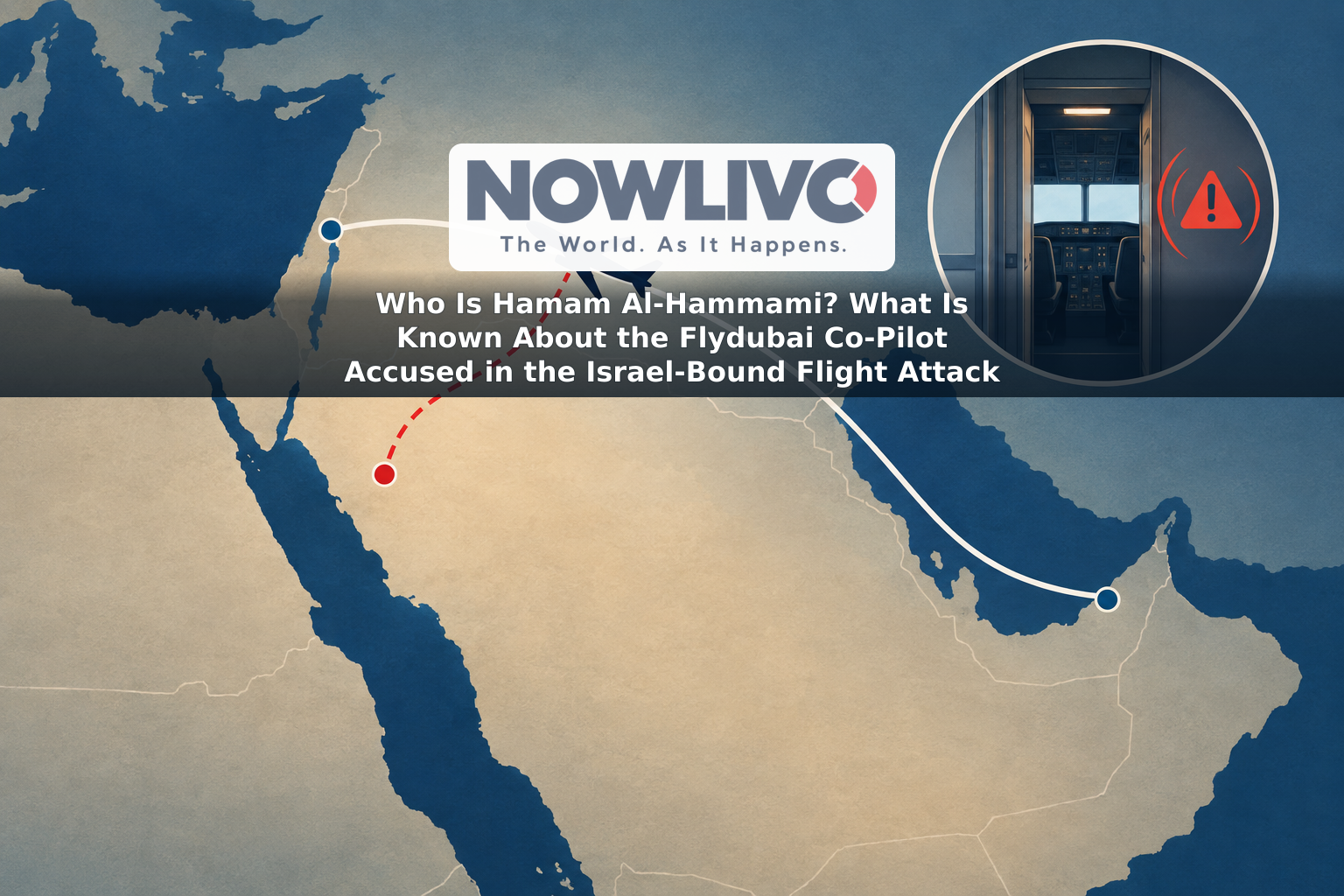
Hamam al-Hammami is an Omani co-pilot identified as the suspect in a September 30, 2026, cockpit attack aboard a Flydubai flight from Dubai to Tel Aviv. The United Arab Emirates’ attorney-general says the co-pilot struck the captain with an aircraft crash axe and tried to take control of the plane. Israeli Prime Minister Benjamin Netanyahu has compared the disaster that might have followed to the September 11 attacks, but investigators have not announced that al-Hammami intended to strike a building or identified a target on the ground.
What happened aboard Flight FZ1073?
Flydubai Flight FZ1073 was traveling from Dubai International Airport to Israel’s Ben Gurion International Airport when an altercation broke out in the flight deck. The aircraft was diverted and landed safely at Tabuk, Saudi Arabia. Flydubai says crew members traveling aboard the flight secured the aircraft and landed it, and that passengers helped the crew during the emergency.
The airline says everyone aboard survived. Its chief executive said the injured captain later returned to the UAE after receiving medical clearance. Flydubai has not publicly named the co-pilot in its statements about the incident.
On October 3, UAE Attorney-General Hamad Saif Al Shamsi said the investigation had found that the co-pilot began carrying out what he described as a planned terrorist act. Al Shamsi said the co-pilot attacked the captain inside the cockpit with a crash axe and attempted to seize the flight controls. His statement did not specify where the suspect intended to take or crash the aircraft. Authorities are still examining physical and digital evidence to determine the full circumstances, motive and any possible links to others.
What is known about al-Hammami?
People with knowledge of the case, including regional officials, have identified the co-pilot as Hamam al-Hammami, an Omani national. Beyond his role on the flight, much of the biographical information circulating about him has not been confirmed publicly by the UAE investigators leading the case.
Officials familiar with his earlier employment say Oman Air had removed him from flying duties over concerns about extremist views and reassigned him to a nonflying role. Oman Air and the Omani government have not publicly set out their own account of those claims. It also remains unclear what information was available to Flydubai when it hired him or assigned him to the Tel Aviv route. Those are questions for the continuing investigation, not established findings about the airline’s hiring process.
Why is the incident being called “9/11-like”?
Netanyahu used the comparison while praising the people who stopped the cockpit attack. It describes his assessment of the catastrophe they may have prevented, not a confirmed finding that al-Hammami had selected a ground target or was part of a wider plot. Netanyahu has also said Israeli authorities are examining whether anyone directed the suspect. He has not identified a person or group responsible for sending him.
The UAE attorney-general’s description of an attempted terrorist act is the clearest public finding so far from the authorities leading the inquiry. It does not settle every question about intent, planning or possible accomplices. Flydubai, which initially urged against speculation about motive, says it is cooperating with the official investigation.
For now, Flydubai has suspended flights to and from Israel at the authorities’ request while the investigation continues. Al-Hammami’s identification answers who is suspected of the cockpit attack; the precise objective of any crash plot, and whether he acted alone, remain unresolved.