Did Emmanuel Macron Blame Donald Trump for the France Riots? What He Actually Said
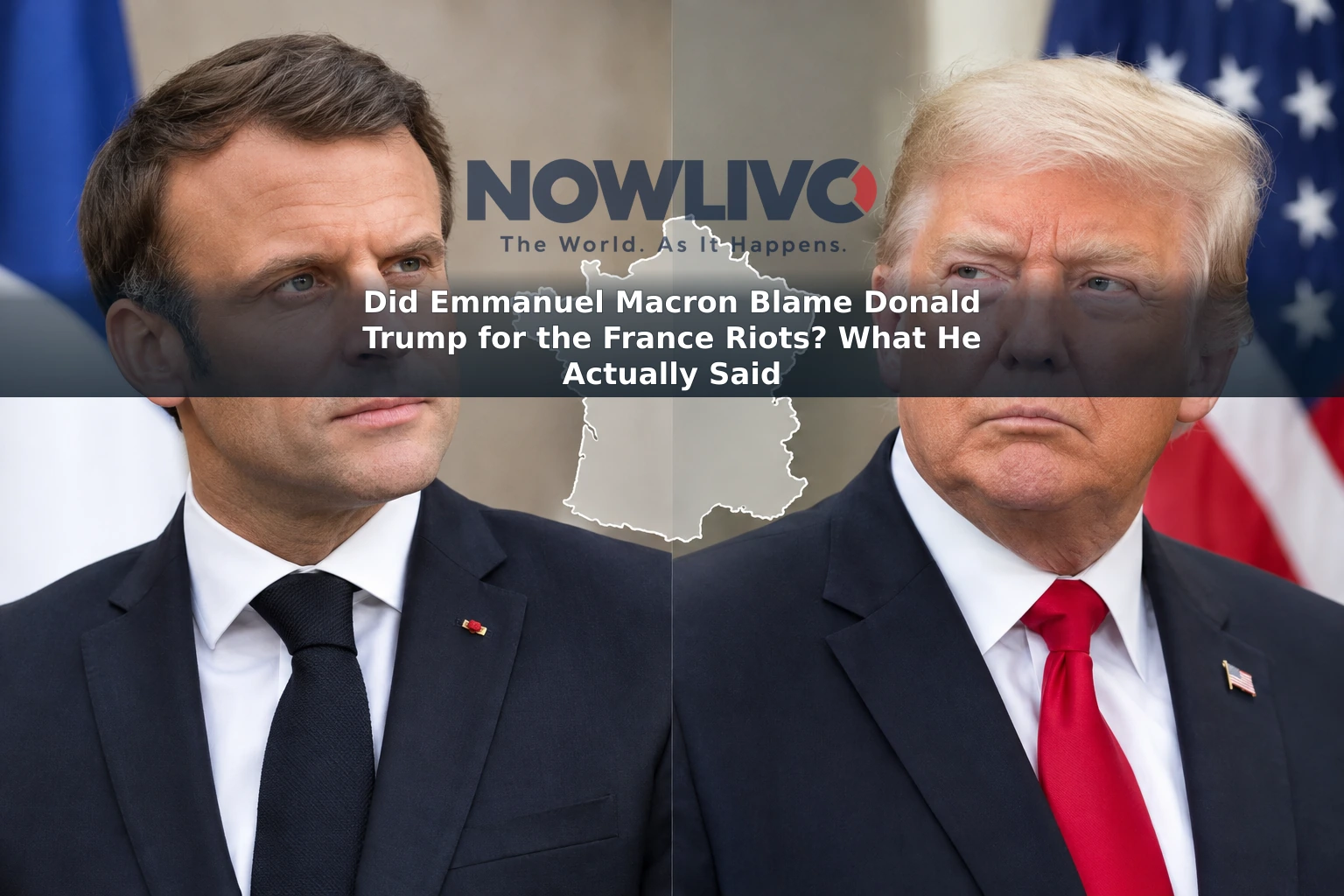
French President Emmanuel Macron did not blame Donald Trump for the mass rioting across France. In a televised address on October 18, 2026, Macron said high fuel prices tied to the conflict in the Persian Gulf were one reason people had taken to the streets. He separately blamed the looting and attacks on buildings on what he called far-left groups joined by criminals. Trump offered a different explanation, blaming immigration for the unrest.
What Macron said about the riots
Macron spoke a day after nationwide demonstrations on October 17 were followed by serious violence in several cities. He described the concerns of people protesting living costs as legitimate and said they should not be confused with those who had smashed property or looted shops.
Discussing fuel prices, Macron said France was experiencing consequences of the conflict in the Persian Gulf, which it had not joined. That was an explanation for part of the public’s economic anger—not an accusation that Trump had directed the riots.
Macron assigned responsibility for the violence to people he described as members of far-left fringe groups and criminals. That is his account of who carried it out; investigations into individual acts remain a matter for authorities and courts.
Why Trump’s name entered the debate
Trump had publicly commented on the unrest. On October 18, he wrote that “France is burning” and urged the country to close its borders, portraying immigration as the cause. Earlier in October, he had also attributed French student protests to migration and Islam. French authorities had not established a link between immigrants and the rioting.
Macron and Trump were therefore talking about the same unrest in sharply different ways. Macron pointed to living costs and student concerns as reasons for peaceful protest, while condemning those responsible for destruction. Trump argued that immigration explained what was happening. Neither difference of opinion establishes that the United States organized the violence.
What brought people onto the streets?
The October 17 marches brought together people angry about rising living costs, students concerned about conditions and prospects in education, unions and activists associated with the Yellow Vest movement. French authorities estimated that about 550,000 people joined the marches; organizers gave a higher estimate of 800,000.
Most demonstrators did not take part in the destruction. But groups clashed with police, shops were looted and public buildings were attacked. Limoges city hall was badly damaged by fire. Authorities reported about 2,400 arrests following Saturday’s unrest, and further clashes took place in Paris on Sunday.
Macron said officials would work with mayors to protect businesses and public buildings, including restricting particular gatherings if needed. He also promised help for affected businesses and called for answers about whether the authorities had adequately anticipated the violence.
Is there evidence of a US-backed attempt at regime change?
No evidence presented in the reporting on these riots shows that Trump or the US government organized them or sought to bring down France’s government. Macron did not make that allegation in his October 18 address. His warning that people who had sought to bring down the Republic would be held accountable was directed at those he accused of participating in the violence, not at the United States.
France and the United States can disagree over international policy without every protest in France being caused from abroad. The documented demands behind these demonstrations concern issues within France, including household costs and education. Claims of foreign direction or a regime-change operation would require specific evidence beyond the fact that unrest occurred.