Three Killed in Manipur Attack as Communities Fear Renewed Violence
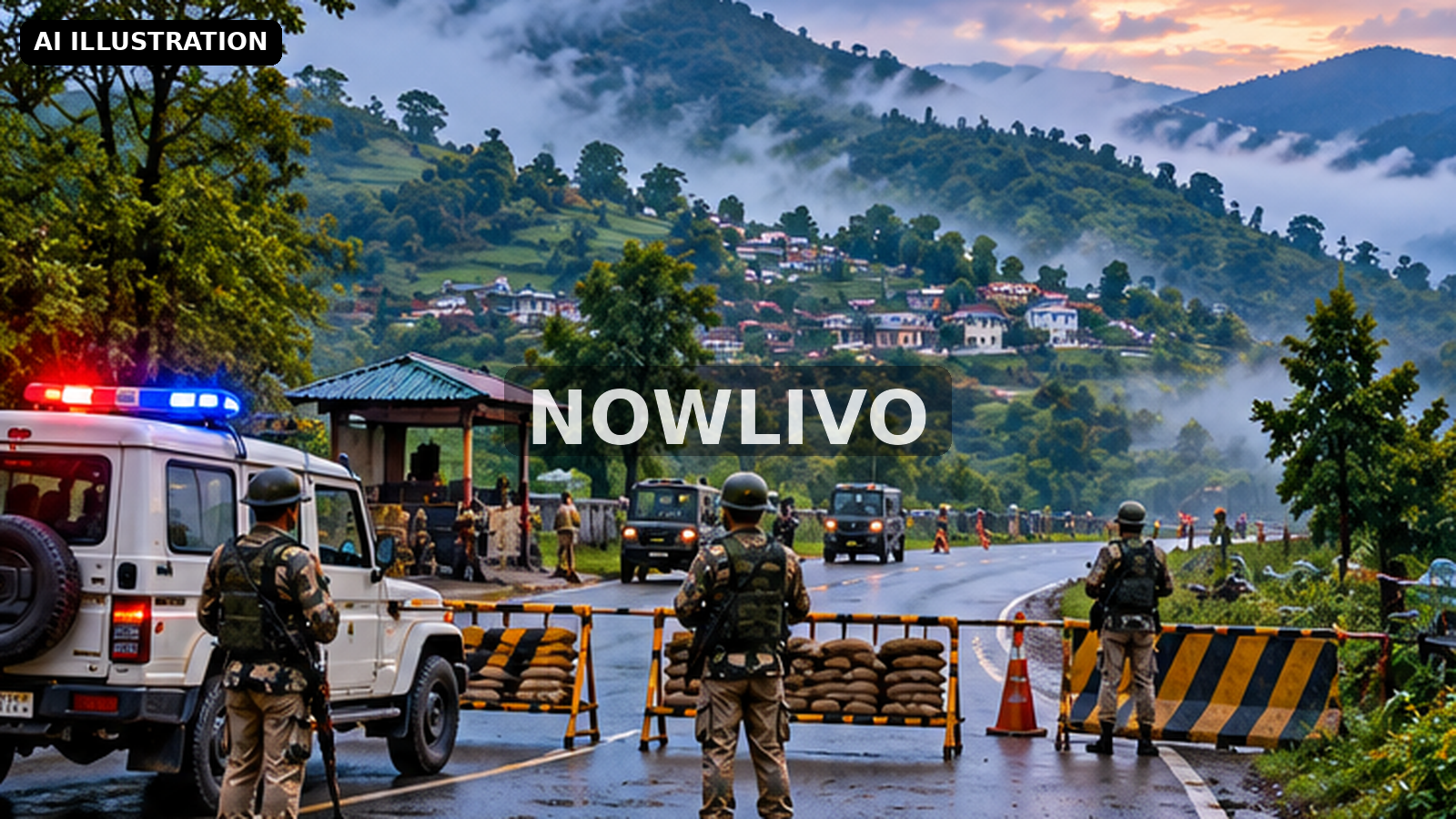
What happened near Nongsum Hills
Three Meitei men were killed and three other people injured in an attack near the Nongsum Hills area of Manipur, The Indian Express reported on October 19. The report said suspected Kuki militants were blamed for the violence, but that attribution remains an allegation while authorities investigate. The deaths have revived fears of further conflict in a state where communities have experienced repeated insecurity. It is essential to distinguish the confirmed human toll from an unproven identification of attackers or a presumed motive.
Accounts of the incident indicate that the victims were in the hill area when they were attacked. Authorities face immediate tasks of identifying those responsible, securing the scene and preventing retaliatory violence. The reporting does not establish that a wider coordinated offensive has begun. In a region where rumours can spread rapidly, the difference between one documented attack and claims of a broader campaign is not merely semantic. It can affect whether frightened residents stay home, move away or respond to unverified messages.
Why the violence resonates
Manipur’s tensions between Meitei and Kuki communities have a long and painful recent history, with displacement, distrust and competing security narratives. Each new incident is interpreted against that background. Families fear not only immediate harm but the possibility that another cycle of attacks and counterattacks will make ordinary travel unsafe. Political leaders and community organisations also face pressure to respond quickly. The danger is that the identities of victims and alleged attackers become a substitute for a careful investigation into what actually happened.
The location of an incident can matter as much as the headline casualty figure. Hills, valleys and routes connecting settlements have different security arrangements and patterns of movement. Residents who travel for firewood, work, schooling or medical care can face risk even when they are not engaged in political activity. An effective response therefore requires more than a statement of condemnation. It requires credible local information, protection of vulnerable routes and a mechanism for people to report threats without fearing that their complaint will be ignored.
Investigation and public confidence
Investigators must establish the sequence of events, examine physical evidence and speak with witnesses while protecting their safety. If particular armed groups are suspected, that assessment should be tied to evidence rather than a broad community label. Holding individuals accountable is different from assigning collective guilt. The latter approach can deepen ethnic divisions and make cooperation with investigators harder. Public updates should explain what has been established and what remains under examination, including any change to the initial casualty count.
Government credibility depends partly on whether people from different communities believe that protection and justice are available on equal terms. The families of those killed need information about the investigation and support through the aftermath. Injured survivors may require specialist care and assistance with travel. Local leaders can help reduce panic by discouraging the circulation of graphic or misleading material. None of those steps resolves the wider political dispute, but they are necessary to prevent one tragedy from becoming a trigger for further harm.
What happens next
Key developments to watch include an official account of the attack, identification or arrest of suspects, medical updates on the injured and any security measures introduced around the affected area. Statements from political groups should be read as positions rather than substitutes for police findings. Claims circulating on social media about the attackers’ identities, numbers or intended targets should not be treated as verified merely because they are widely shared. Precision is especially important when allegations involve entire communities.
The October 19 incident is a reminder that conflict reporting must keep individuals at the centre. Three people have died and others have been hurt; those facts deserve attention without speculation about what the violence supposedly proves. The larger test is whether authorities can investigate transparently, protect residents and communicate in a way that lowers rather than inflames tensions. Subsequent reporting should focus on those measurable actions instead of assuming that the next phase of the conflict is already known.
Further context and unresolved questions
The timing of public communication after an attack can affect whether fear spreads beyond the immediate location. Families may receive fragments of information through relatives, local messaging groups and unofficial social accounts before a complete police briefing is available. Authorities should release what they know promptly, including the location, confirmed number of victims and emergency contact arrangements, while avoiding premature claims about identity or motive. They should also explain when another update will be provided. Silence can allow rumours to fill the gap; overconfident statements can damage credibility when corrected. Journalists covering the story should resist publishing unverified names or graphic images simply because they circulate widely. Respect for victims includes giving relatives time to be informed and distinguishing eyewitness testimony from later interpretation.
A second challenge is preventing a criminal investigation from being absorbed into collective accusations. The report refers to suspected militants, not a proven responsibility shared by a community. Police must investigate individuals and any organisation supported by evidence. Political leaders can help by making that distinction explicit and by discouraging retaliation. The injured need reliable access to hospitals, and witnesses may need protection if they fear consequences for speaking. Longer-term reconciliation efforts depend on whether communities believe that each violent incident will be handled impartially. The attack also raises questions about safe access to fields, forests and roads that residents use for ordinary work. Those everyday routes are part of the security picture even when they attract less attention than military posts or high-profile political meetings.