Georgia Man Charged After Alleged Firebomb Attack on Atlanta ICE Building
The latest development
A Georgia man has been charged with federal crimes after investigators alleged that he threw an incendiary device toward an Immigration and Customs Enforcement building in downtown Atlanta. The charges concern an alleged act of violence, and the accused remains entitled to the presumption of innocence. That distinction is central to understanding the alleged attack on the Atlanta ICE building. A news update can establish that an event or decision occurred without settling the larger controversy around it. Readers are better served by a precise account of the new step than by a headline that turns a limited development into a sweeping conclusion.
How the situation developed
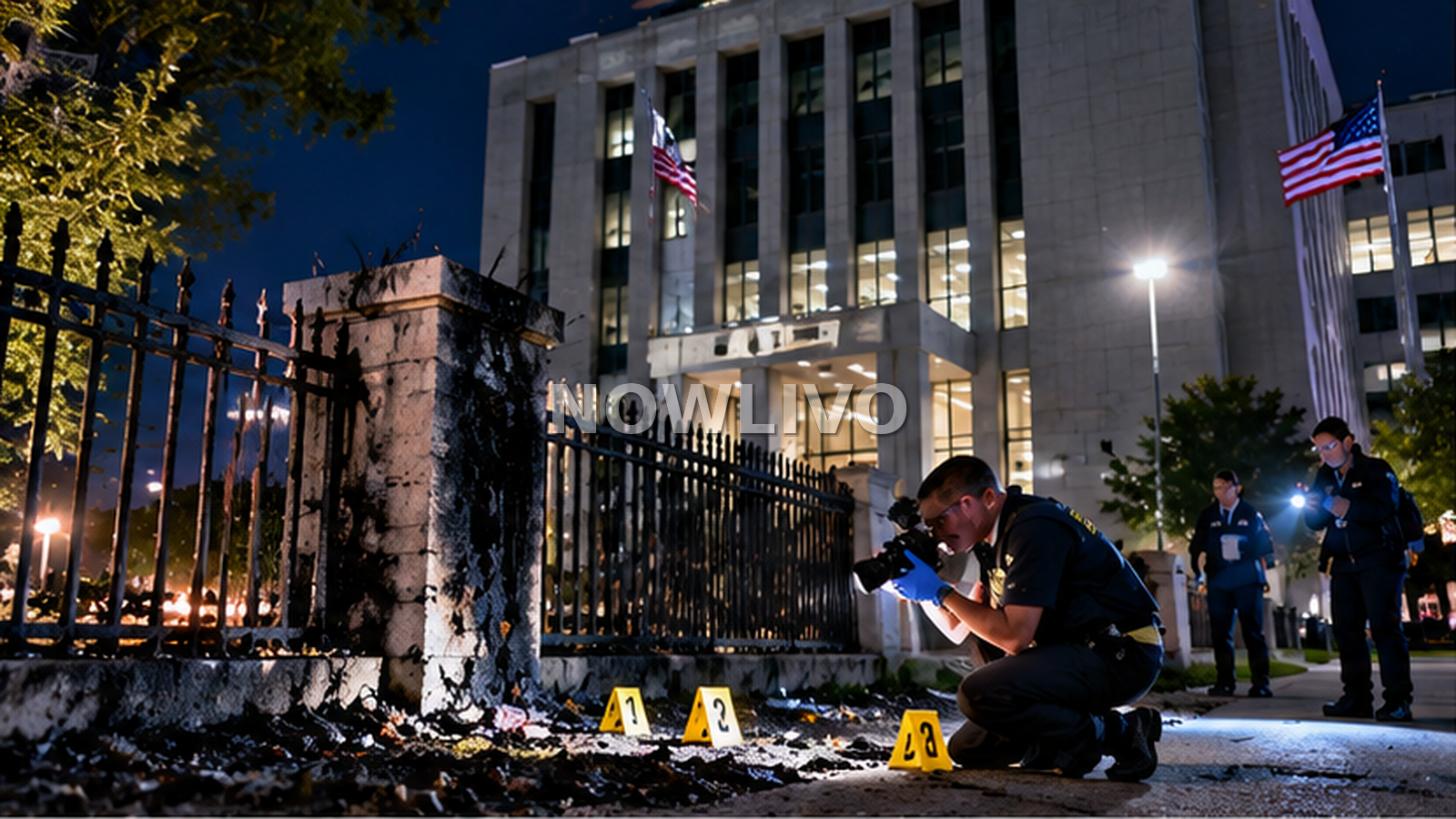
Federal prosecutors identified the suspect as 31-year-old Inique Hinton of Douglasville. They said security footage from Tuesday night showed a person lighting an object and throwing it toward the building, where flames spread after it struck a fence. A reliable timeline separates the original event, the response and the newest procedural development. Without that separation, a reader can mistake a resurfaced allegation for a new incident or assume that an issue has been settled merely because it has remained in the news for several days.
What the reporting establishes
Investigators reported recovering burned fabric, lighter fluid, a glass bottle and a lighter. The man was arrested at a residence outside Atlanta. The building houses ICE offices and an immigration court, making the location relevant to federal security concerns. The available details are sufficient to explain the central development, but not every question that the headline invites. Numbers, documents and named statements have different evidentiary weight. A reported figure should retain its unit, time frame and attribution; an estimate should not silently become a confirmed count.
Different accounts and responses
Prosecutors described the incident as a serious alleged attack on federal property. The available court reporting did not identify a defence attorney or provide a statement from the accused addressing the evidence. The existence of disagreement is itself newsworthy when institutions or public figures are involved. Still, equal attention to competing claims does not mean every claim has equal support. A fair report names the speaker, explains the basis offered and leaves unproven assertions as assertions rather than conclusions.
The rules and process behind the headline
The listed charges include attempted arson of a federal building and damage to government property. Possible maximum penalties were reported, but statutory maximums are not a prediction of sentence or proof of guilt. It helps to identify which institution has the power to act at each stage. The body that makes a public statement may not be the body that investigates, regulates, judges or implements the next step. Confusing these roles creates false expectations about what the announcement actually changes.
Who may be affected
Employees, visitors, people attending immigration hearings and nearby residents may all be affected by security incidents at a public building. The safety of staff and access to lawful proceedings are separate from policy disagreements about immigration enforcement. The public interest is broader than the most familiar names in the story. A policy, dispute or investigation may also affect workers, households, local institutions and people with little opportunity to speak publicly. Describing those possible effects is useful, but they should not be presented as outcomes already measured.
What is still unresolved
Investigators have not publicly established a complete motive in the report. It would be wrong to attribute the alleged act to a political movement or protest group without evidence linking them. A missing answer is not an invitation to supply a plausible explanation. Where evidence is incomplete, the most informative approach is to identify the missing record or decision that would resolve the uncertainty. That keeps readers from confusing an unanswered question with evidence that one side must be correct.
What to watch next
Watch for an initial court appearance, the filing of charging documents, defence responses and any verified surveillance evidence introduced in proceedings. Court filings can clarify the charges but are still allegations until tested. The next report should be judged by whether it changes what is known. An official filing, court order, regulatory instruction, reliable data release or direct response can do that. An anonymous prediction or an edited social-media clip may attract attention without adding dependable evidence.
Why the development matters
The incident shows why coverage of politically charged crimes needs precision. A prosecution can be reported firmly without speculating about the accused person’s ideology or treating allegations as a conviction. The immediate story also raises a longer-term question about institutional trust and accountability. Those questions deserve examination, but they are not reasons to leap ahead of the record. Explaining the practical stakes while preserving uncertainty is more useful than predicting a dramatic resolution.
What this report does not claim
No casualties or wider conspiracy are claimed here without supporting reporting. The article describes the federal allegations and the known procedural stage. The limits of the record are part of the story. Reporting only what can presently be supported leaves room for later corrections and new evidence. It also prevents a developing dispute from being framed as a closed case before the responsible institutions have finished their work.
A closer look at the context
A criminal investigation is a process of gathering and testing evidence, not a public referendum on guilt. Police statements may contain significant detail, but the defence has not necessarily had a chance to challenge every claim when a suspect first appears in court. Coverage of the alleged attack on the Atlanta ICE building should therefore describe charges and remand orders precisely and avoid treating investigative theories as judicial findings.
The longer-term test
High-profile cases often attract online speculation about motive and associates. That can create risks for witnesses, accused people and unrelated individuals whose names circulate without evidence. The most reliable updates come from formal court records, authenticated forensic material and statements that can be attributed to a responsible source. Sensational theories add little when the basic evidentiary picture is still developing.
How to judge the next update
Public safety remains a legitimate concern even while the presumption of innocence applies. Investigators may seek to prevent further harm, but they must operate within legal limits. Readers should distinguish protective measures, arrests, custody extensions, charges and eventual verdicts. Each stage tells something different about what the justice system has established.