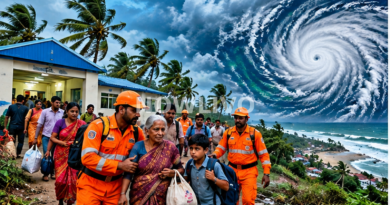
Cyclone Arnab Makes Landfall: Three Dead as Andhra Assesses Homes and Crop Damage
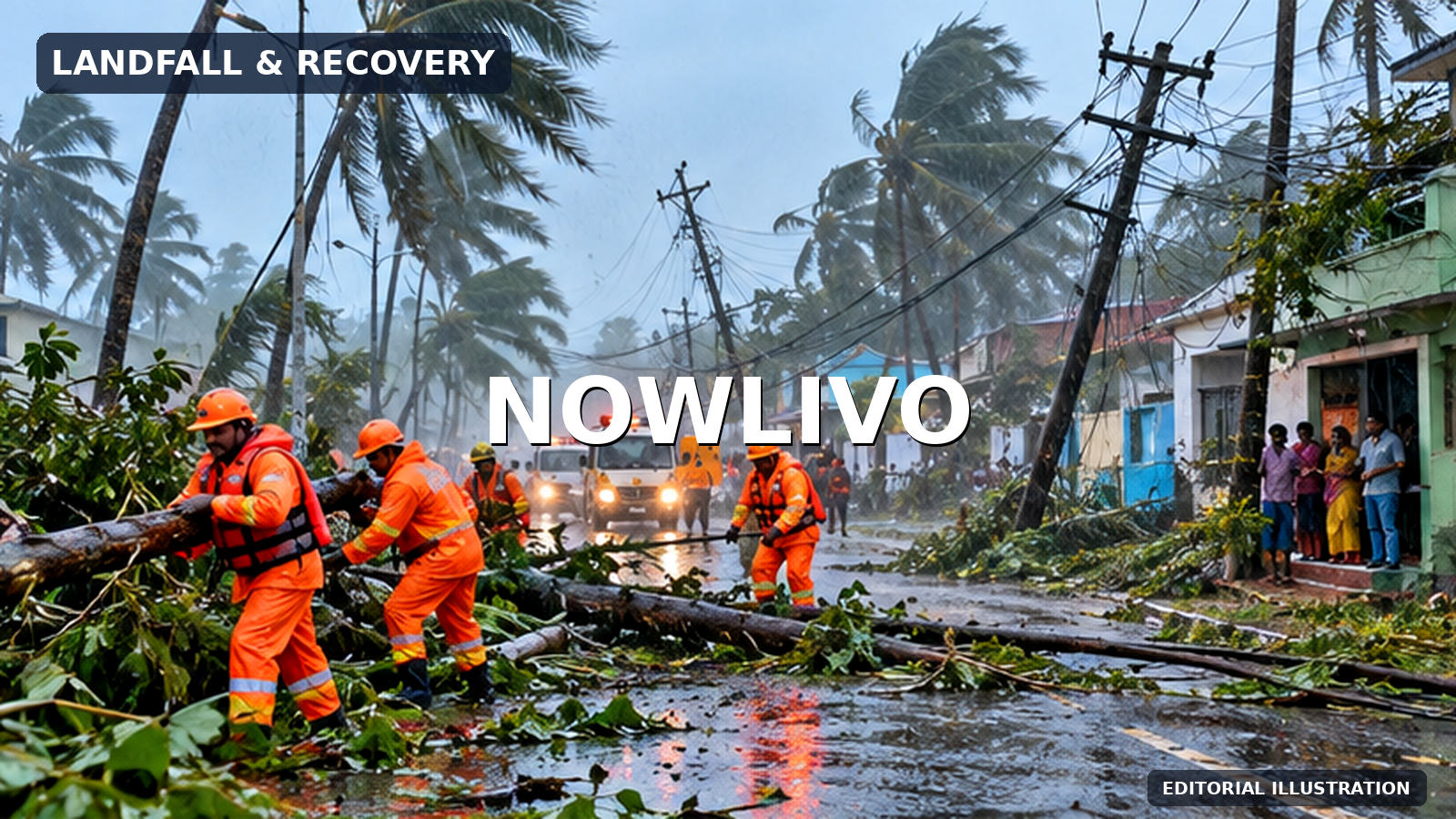
Cyclone Arnab crossed the Andhra Pradesh coast early Wednesday, October 28, turning days of warnings and evacuation planning into an immediate recovery operation. Officials reported at least three deaths and significant damage to crops, homes, trees and electricity infrastructure. The latest confirmed losses mark a substantive change from the earlier stage of the storm, when authorities were primarily tracking its slow approach and moving residents to safety. Emergency teams now face the parallel tasks of reaching affected communities and restoring basic services.
The Associated Press reported that two women died in separate electrocution incidents in Visakhapatnam, while a third person was killed by a falling tree in East Godavari district. These are reported deaths linked to the cyclone, not a final statewide casualty assessment. The figures could change as district authorities complete checks in communities where communications and transport have been disrupted. A responsible account of the storm needs to distinguish what officials have confirmed from damage still being counted.
What changed after landfall
India's meteorological agency said Arnab came ashore as a very severe cyclonic storm and subsequently weakened to a severe cyclonic storm while moving inland. Wind speeds reached about 135 kilometres per hour, according to state disaster officials cited by AP. That downgrade does not mean the threat ended at the coast. Heavy rain, fallen trees, flooded roads and damaged power systems can continue to cause danger after the eye of a storm has moved away.
Andhra Pradesh Chief Minister N. Chandrababu Naidu said 14 coastal districts had been badly affected and requested urgent central assistance. Officials reported damage to road networks, homes, electric poles and power supplies. The Konaseema area, with its agricultural economy and extensive coconut and banana cultivation, was among the places facing substantial losses. The AP report cited roughly 79,000 acres of damaged crops, a figure that describes an early assessment rather than a completed accounting of farmers' financial losses.
Agricultural damage is often more complicated than the initial area estimate suggests. A banana plantation can lose marketable produce immediately when plants are flattened, while coconut growers may face longer recovery periods if mature trees are destroyed. Waterlogging, access to transport and the availability of labour also influence how quickly farmers can salvage what remains. The official crop estimate gives a sense of the scale, but compensation and insurance decisions require more detailed local verification.
Power, roads and coastal communities
Fallen electric poles and snapped cables can create hazards even after the strongest winds have passed. People returning from shelters should not assume that a road is safe simply because water levels appear lower. Downed wires, unstable walls and trees caught against other structures are common post-storm risks. Local authorities and utility crews must inspect damaged infrastructure before normal activity can resume, particularly in settlements where rainwater has collected around buildings.
Authorities had moved at least 180,000 people out of vulnerable areas in Andhra Pradesh before the storm, according to the updated AP account. More than 2,000 shelters had been prepared across 20 districts, while over 30,000 fishing boats were secured and medical teams mobilised. Those precautions matter in evaluating the response: an evacuation count is evidence of a protective operation, not a measure of destruction or the number of people permanently displaced.
Transport disruption also extends beyond the hours of landfall. Railway cancellations, interruptions to road access and local electricity failures can affect families who live outside the areas that saw the strongest winds. Students, patients and workers may have to wait for district-level clearance before travelling. Airline, train and school reopening decisions should be checked against fresh official announcements because arrangements can differ by route and locality.
Odisha and neighbouring areas remain on alert
The cyclone's rain bands also affected southern Odisha, where officials had prepared to evacuate tens of thousands of people from exposed locations. The meteorological service warned that rain and strong winds would continue in parts of coastal Andhra Pradesh and Odisha as the storm weakened inland. Separate forecasts indicated significant rainfall risks for Telangana and several other states. A coastal landfall therefore does not confine the consequences to the place where the centre crossed shore.
Residents following the storm should distinguish a weather forecast from a verified report of damage. Forecast wind gusts and storm-surge heights describe possible conditions; reports of flooded homes, destroyed crops or injuries need local confirmation. That distinction becomes especially important when dramatic videos circulate without reliable dates or locations. The most useful information now is the status of roads, electricity, drinking water, shelters and emergency assistance in specific districts.
Recovery is the next test
The immediate priorities are accounting for affected residents, clearing essential routes and repairing critical infrastructure. After that comes a slower process of documenting crop damage, assessing housing losses and determining what assistance is available. Officials have begun describing the extent of destruction, but the final cost and recovery timetable are not yet established. Those details should not be inferred from early photographs or one district's experience.
Arnab's landfall is also a reminder of why storm coverage must evolve with the event. Yesterday's central question was whether and when the cyclone would cross the coast. Wednesday's new story is the human and economic impact now emerging from affected districts. Further updates will be warranted when authorities release revised casualty figures, confirmed damage assessments, compensation decisions or service-restoration schedules, rather than merely repeating that the cyclone remains in the news.