Imran Khan Apologises in Bombay High Court; Leave-India Notice Stayed Until December 7
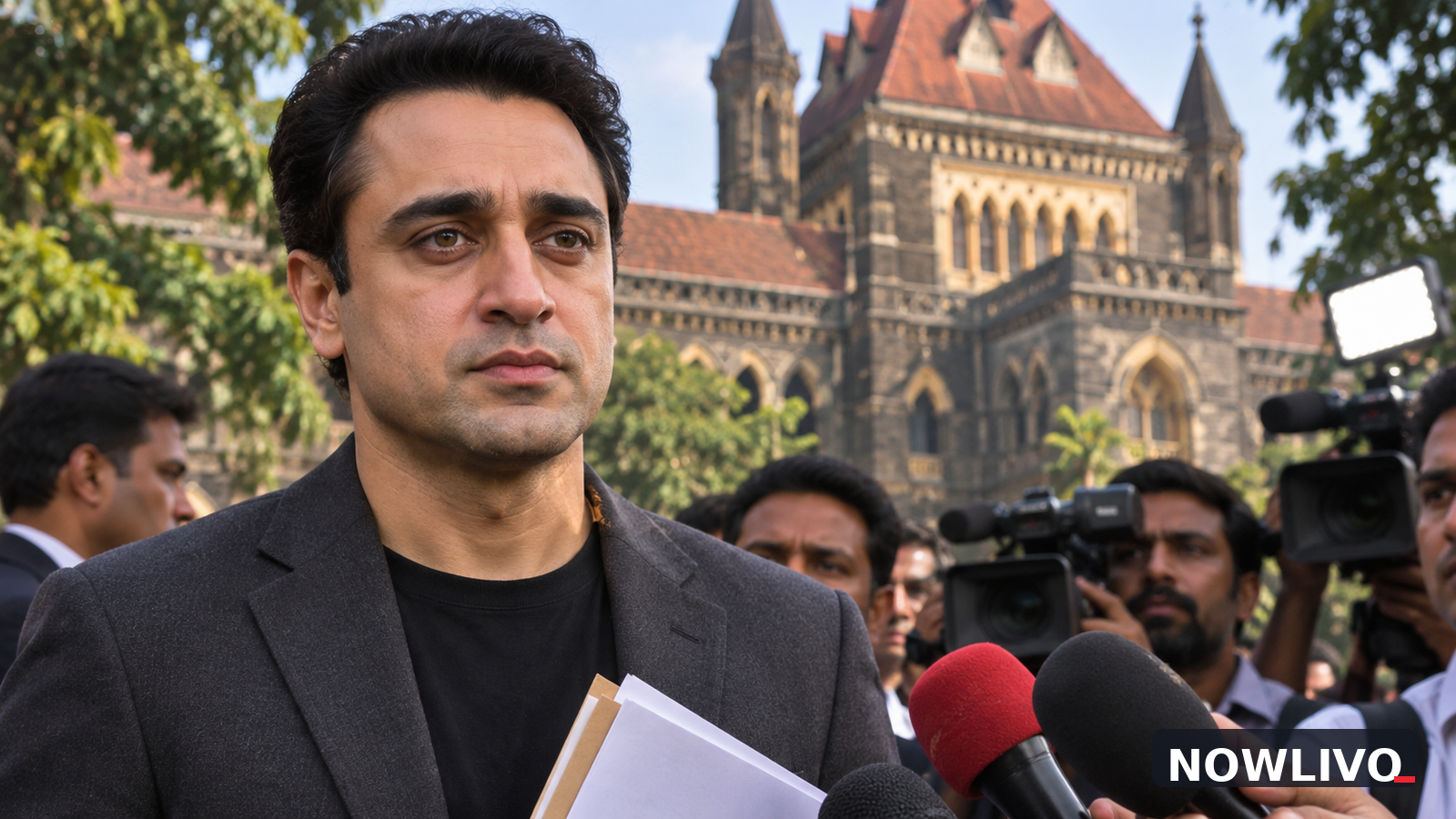
Bollywood actor Imran Khan received more time to remain in India on Monday, November 2, after the Bombay High Court extended the suspension of a notice directing him to leave the country. The court's action followed an unconditional apology and undertaking connected to his participation in a Mumbai protest over the Special Intensive Revision of electoral rolls. The leave-India notice will remain on hold until December 7, according to reporting by The Indian Express and Reuters, which cited local legal reporting.
The development changes the immediate legal position of the actor, who had faced an October 28 deadline to leave India. It does not mean the immigration dispute has been finally decided in his favour. The court has provided temporary protection while the relevant authorities consider the case, and the undertaking about future protest activity forms part of what happened at Monday's hearing.
Why the leave-India notice was issued
Khan, a US citizen who holds an Overseas Citizen of India card, was detained during a Mumbai demonstration on October 10 against Chief Election Commissioner Gyanesh Kumar and the voter-roll revision exercise. The actor's participation became the subject of a complaint alleging that he had violated the conditions applicable to his immigration status. The Foreigners Regional Registration Office subsequently issued a notice asking him to leave India by October 28.
The fact that a complaint was made is not the same as a final judicial finding that Khan committed an immigration violation. The legal dispute concerns whether the notice was properly issued, what conduct was permissible under his status and what procedural safeguards the authorities had to follow. The High Court initially kept the notice in abeyance on October 28, giving the actor time to pursue his challenge.
The court's observations on Monday
During Monday's hearing, the bench questioned Khan's participation in a protest over a voter-roll exercise that did not directly affect him as an OCI cardholder. The Indian Express reported that the court asked him to tender an unconditional apology or regret on oath, or provide an undertaking that such participation would not be repeated. Khan subsequently provided the undertaking, according to the report.
The court also raised a procedural question for the immigration authorities. It observed that a person with no antecedents who had lived in India for decades should have an opportunity to be heard before being served with such a serious notice. This is an important distinction in the proceedings: the bench's criticism of the protest activity did not prevent it from scrutinising the process used by the government.
What the extension until December 7 means
The High Court extended the pause on the leave-India notice until December 7. Reuters reported, citing LiveLaw, that the suspension would continue while the Foreigners Regional Registration Office decides the matter after hearing Khan. The new date therefore concerns the next stage of the legal process, not a declaration that all allegations have been withdrawn or that the immigration authorities have permanently cancelled their action.
For the actor, the immediate consequence is that he is not required to leave India under the challenged notice before that protection expires, subject to the terms of the court's order. For the government, the matter remains open for consideration. Any later decision or appeal could alter the position, and readers should distinguish a temporary stay from a final outcome.
A celebrity case tied to a wider political dispute
The case has drawn unusual attention because it involves a recognisable actor and the politically charged question of electoral-roll revision. The Special Intensive Revision has generated public arguments about the accuracy of voter lists, deletions, registration and election administration. Khan's case is narrower: it concerns his individual immigration status and his participation in a particular demonstration, not a judicial ruling on whether the entire voter-roll exercise was lawful or justified.
Khan is known for Hindi films released from the late 2000s onward and is part of a prominent film family. His celebrity status has increased the visibility of the dispute, but the legal questions are those raised by the notice, the applicable rules and the hearing. The court's comments should be understood as comments made during proceedings rather than converted into a broad legal conclusion about every OCI cardholder's rights.
The case also shows why the terms OCI, citizenship and residency should not be treated as synonyms. An OCI card grants a particular immigration status and certain privileges, but it does not make its holder an Indian citizen. The precise rights and conditions at issue here must be assessed under the relevant rules and the court's eventual findings. Monday's order did not purport to rewrite that legal framework for everyone.
Monday's result leaves two clear facts: the actor gave the requested undertaking, and the notice remains suspended until December 7. The next substantive development will come from the immigration authority's decision or a further High Court order.