Cyclone Murasu: Two Deaths Reported, 12,230 Sheltered as Andhra Assesses Damage
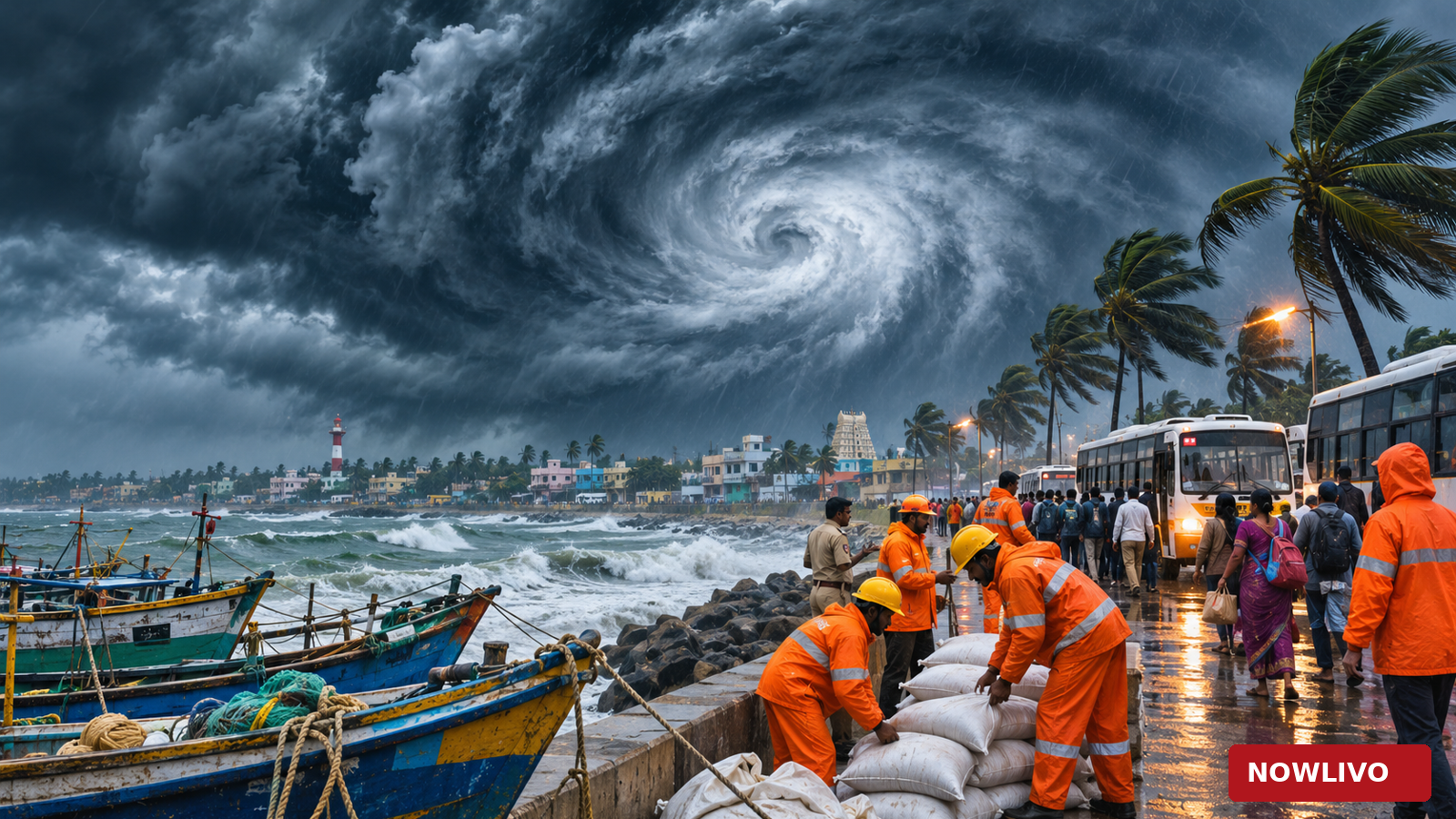
Damage assessment follows the landfall
Andhra Pradesh authorities have reported at least two deaths linked to Cyclone Murasu as the state moves from emergency preparation to a preliminary assessment of the storm’s effects. The update follows the November 3 landfall already covered by NOWLIVO. It is a material new development because the reported human toll, number of people sheltering and early damage estimates give a clearer picture of the impact than forecasts or the initial crossing report could provide.
Deaths and shelter figures
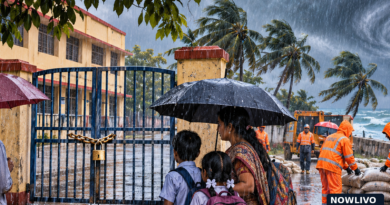
Andhra Pradesh State Disaster Management Authority managing director Prakhar Jain told the Press Trust of India that at least two people died in cyclone-related incidents and 12,230 people remained in cyclone shelters. These are official figures reported on November 3 and may change as districts complete checks. They should not be treated as a final statewide casualty or displacement count. Authorities have not established in this report that every damaged area has been surveyed.
Early crop and housing losses
The preliminary loss estimate stands at at least ₹344 crore, according to the same official account. Crops across 52,459 hectares were reported affected, and 312 houses were affected. Those numbers are particularly consequential for farmers and families who depend on coastal agriculture, where prolonged waterlogging can create losses even after the strongest winds have passed. They are provisional administrative estimates rather than final compensation assessments or independently verified property valuations.
Transport disruption extends beyond the coast
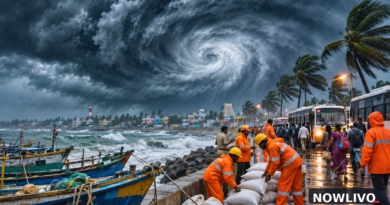
Heavy rain, poor visibility and fallen trees disrupted road movement. Officials reported more than 35 trains cancelled, 14 diverted and eight rescheduled, while several flights were also cancelled. Vehicles were stranded on some national highways, and fishing boats were reported wrecked in Prakasam district. People planning travel through the affected region should consult the railway or airline operating their journey rather than assume a general warning describes the current status of their particular service.
Relief teams and flood precautions
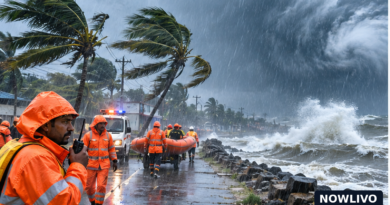
The state fire service deployed 185 teams to remove fallen trees and drain floodwater. Eleven National Disaster Response Force teams and 13 State Disaster Response Force teams were involved in relief work. Officials also monitored 814 minor irrigation tanks, with 776 placed on alert. That infrastructure watch matters because a weakening cyclone can still leave dangerous local flooding behind, especially where rainwater continues to drain into smaller reservoirs and low-lying roads.
Weather risk continues after landfall
The India Meteorological Department’s subsequent warnings indicate that heavy rain may continue across parts of coastal Andhra Pradesh and neighbouring states on November 4, even as the storm weakens. Forecasts mention isolated heavy to very heavy rain and risks from thunderstorms, lightning, strong winds and flash flooding in some districts. Fishermen have been advised to avoid rough sea conditions. Weather alerts should be checked locally because conditions can vary sharply between nearby coastal and inland areas.
What remains uncertain
The final number of damaged homes, verified agricultural losses, restored services and compensation decisions is not yet established by these initial reports. Likewise, the published figures do not justify claiming that every village has resumed normal life. The strongest practical development is that emergency shelters remain occupied while relief and damage surveys continue. Residents should use district disaster-management updates for local shelter, road and school information rather than rely solely on a statewide summary.