
EU Rejects Russian Duma Voting in Occupied Ukraine and Flags Sanctions
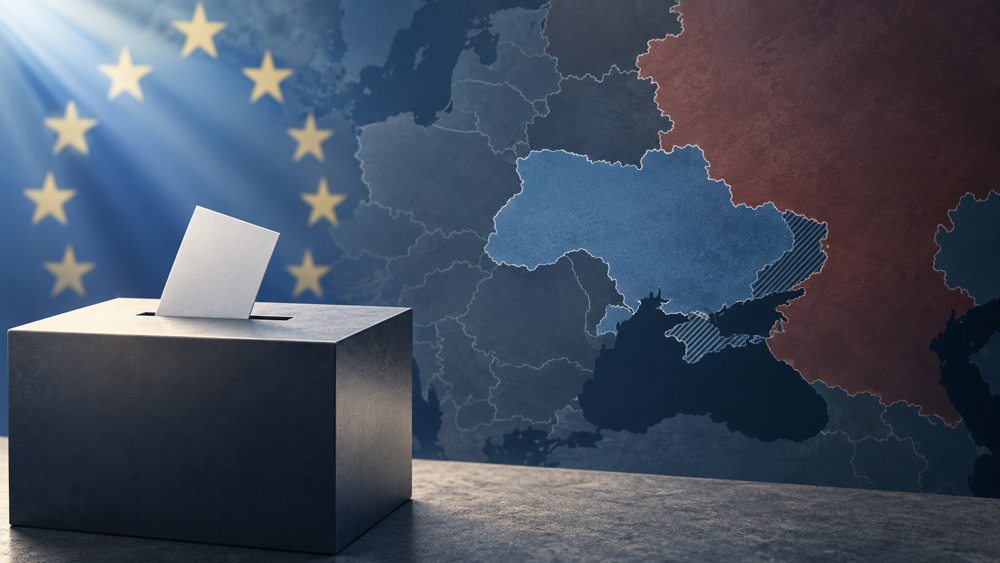
The European Union says it will not recognise Russian State Duma voting organised in Ukrainian territories under Russian occupation during the September 18–20 elections. In a September 21 statement, the bloc also criticised the conditions of the vote inside Russia and said people involved in organising the voting in occupied areas, or undermining free elections within Russia, would be sanctioned.

The EU identified Crimea and Sevastopol, along with occupied parts of Donetsk, Luhansk, Zaporizhzhia and Kherson, in its objection. Its position concerns territorial sovereignty and the legal standing of ballots conducted outside Russia’s internationally recognised borders. It is separate from the question of which candidates won seats in Russia’s own parliament.
On the domestic contest, the EU cited restrictions on opposition participation, including the exclusion of Yabloko candidates from the federal list. It also regretted that Russia did not invite observers from the Organization for Security and Co-operation in Europe. Without that observation mission, voters and outside governments lack the independent assessment the organisation normally provides. These are the EU’s stated criticisms, not a finding from an observation mission that attended the vote.
The statement promises sanctions against people linked to the contested voting or the erosion of a free contest, but does not itself list newly designated individuals or specify when such measures would be adopted. Readers should distinguish that warning from sanctions already in force and watch for a formal EU designation before treating it as an implemented measure.
Russia’s conduct of voting in occupied territory remains a point of direct dispute in the war with Ukraine. The immediate diplomatic consequence is clear: the EU says those ballots and their results have no validity in its view, while the practical effect of its threatened penalties depends on follow-up decisions.