NEET Leak Probe: CBI Chargesheet Says Recovered Phone Held Matching Chemistry Questions
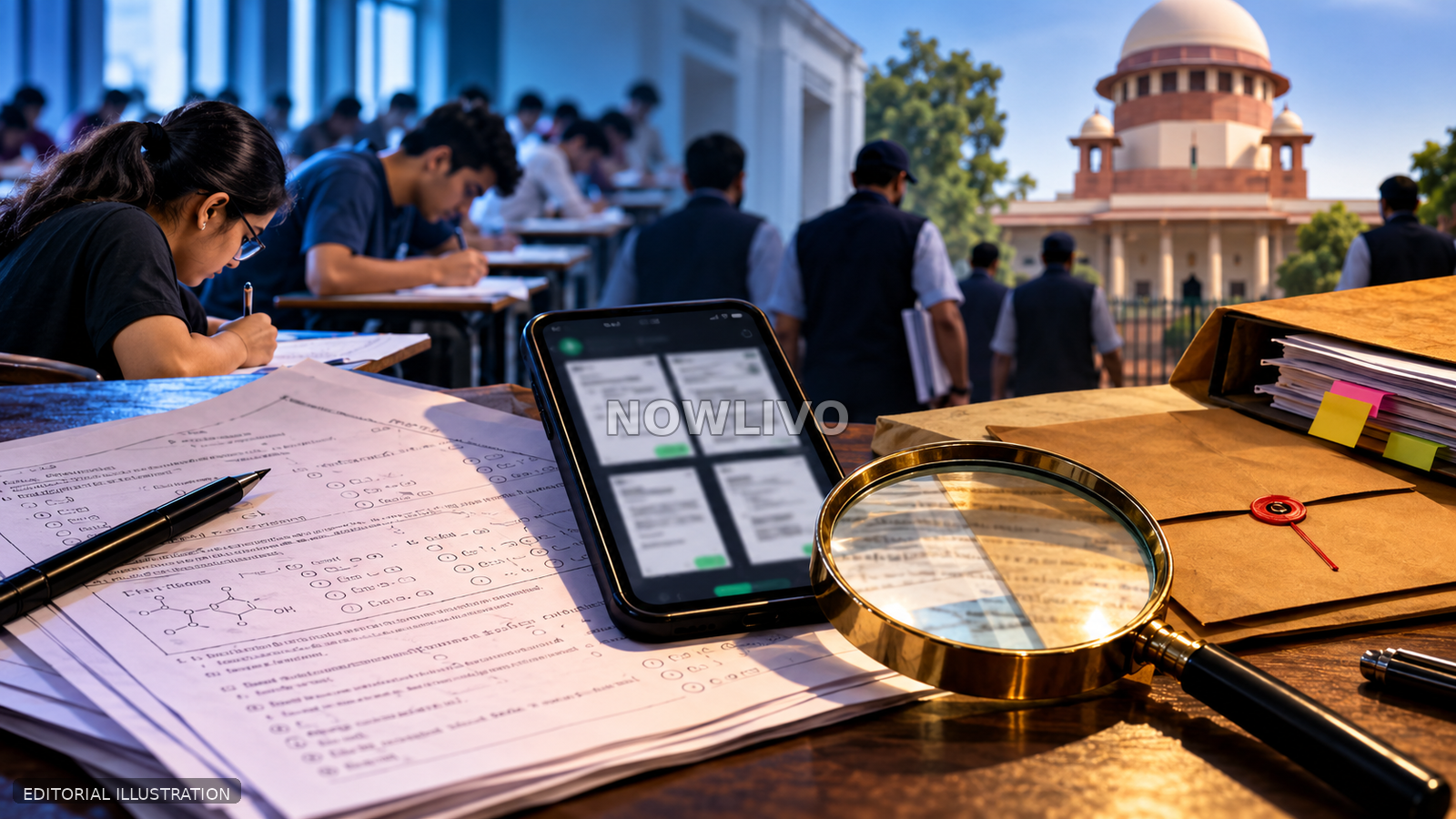
A new account of the NEET-UG 2026 paper-leak investigation has put the Chemistry section at the centre of scrutiny. The Indian Express reported on October 23 that a Central Bureau of Investigation supplementary chargesheet cited an expert opinion comparing questions recovered from the phone of Shivraj Motegaonkar, founder of Latur-based RCC Classes, with examination master sets. The report said the recovered material matched all 45 Chemistry questions in one master test booklet, with substantial matches in two other sets. These are allegations and findings described in a chargesheet, not a final court judgment. The development matters because national entrance examinations depend on confidence that questions remain secure and that all candidates compete under fair conditions.
What the chargesheet reportedly describes
The CBI supplementary chargesheet, as described in the report, refers to Chemistry questions recovered from Motegaonkar’s phone and compared with NEET master sets. The reported analysis found 43 of 45 questions matched the document in master set Kailash, all 45 matched a booklet associated with master set Shivalik, and 40 of 45 matched another master set. Only one question matched in the remaining set, according to the account. The differences between sets are part of the reported evidence and should not be flattened into a claim that every question on every paper was leaked. The figures are specific to the comparison the chargesheet describes.
Why the four master sets matter
The exam reportedly used multiple administrative and non-administrative master sets. Multiple sets can be part of a test’s security design, making the chain by which questions are translated, assembled, distributed and administered especially important. The reporting said two sets were administrative and identified them by the names Kailash and Shivalik, while other sets were not intended for routine distribution in the same way. The question matches described in the chargesheet therefore raise inquiries about access, document handling and whether the material could circulate before the examination. A matching question list alone does not answer who first obtained it, who passed it along or whether every person who received it knew its origin.
The role of expert comparison
The report attributed the matching figures to an expert opinion from Delhi University cited in the CBI filing. Expert review can be important when investigators need to distinguish exact question matches from similar topics or ordinary overlap in a syllabus. Entrance examinations often test recurring concepts, so the meaningful question is whether the wording, structure and sequence correspond to specific master-set questions, not simply whether a topic appears in two places. A court can assess the underlying material, the method used to compare it and any objections raised by the defence. The public summary does not provide a full evidentiary hearing, so the detailed legal conclusions remain for the proceedings.
The accused and due process
The case involves Motegaonkar and a teacher identified in reporting as P. V. Kulkarni, both described as arrested in connection with the alleged leak. An arrest and a chargesheet indicate that investigators believe they have grounds to pursue the case, but neither is equivalent to a conviction. The accused are entitled to challenge the evidence, test the comparison and present their defence through the legal process. Responsible reporting should avoid treating a police allegation as a verdict, even when the reported question matches appear extensive. The eventual outcome depends on the complete record, admissibility and credibility of evidence, and findings made by the court.
Why examination integrity is at stake
NEET-UG is a high-stakes route into medical education, making the perceived fairness of the test consequential for students and families. When allegations of a leak emerge, the effects can extend beyond a single investigation: candidates may question whether their preparation was treated fairly, institutions may face pressure to explain their controls, and policymakers may revisit exam-security procedures. At the same time, changes to a national exam can disrupt millions of applicants if they are made without careful planning. The public interest is therefore twofold: determine what happened in this case and improve safeguards so future candidates can trust the process.
What a robust inquiry needs to establish
Investigators must build a timeline showing when the recovered files were created, who had access to devices and documents, how the material moved, and whether it was distributed to candidates or intermediaries before the test. Digital-forensic records can help establish chronology, but the interpretation of a message or file depends on context and corroboration. Investigators may also need to compare payment messages, mock tests, account records and witness statements. The reported chargesheet says the CBI examined several forms of material. The public should wait for the complete evidence to understand the alleged network rather than assuming that one recovered phone tells the whole story.
The wider debate over computer-based testing
The case arrives amid discussion about exam security and whether national entrance tests could use more computer-based infrastructure. Digital testing may reduce some risks associated with transporting physical paper, but it introduces its own requirements: secure item banks, controlled access, reliable centres, cyber protections and contingency plans. A shift in format is not a complete answer unless the operational system is equally robust. Any proposed reform also needs enough accessible centres and capacity to avoid disadvantaging candidates in smaller towns or with limited resources. The current investigation may inform that policy conversation, but the details of this case should not be treated as proof that one testing format automatically guarantees integrity.
What happens next
The next legal steps will determine how the allegations are tested and whether additional findings emerge. Readers should look for official court filings or carefully sourced reporting that identifies what has changed, rather than recycled headlines that restate the same question-match figures. Students affected by the case should rely on official notices for examination status, counselling, eligibility and any remedial procedure. Unverified posts about cancellations, new dates or fresh leaks can create unnecessary anxiety. The chargesheet account is a significant development, but it is one stage in a process that must establish responsibility while protecting due process and the rights of candidates.