Victoria’s Secret Fashion Show 2026 Music: Four Announced Acts and the Live-Performance Format
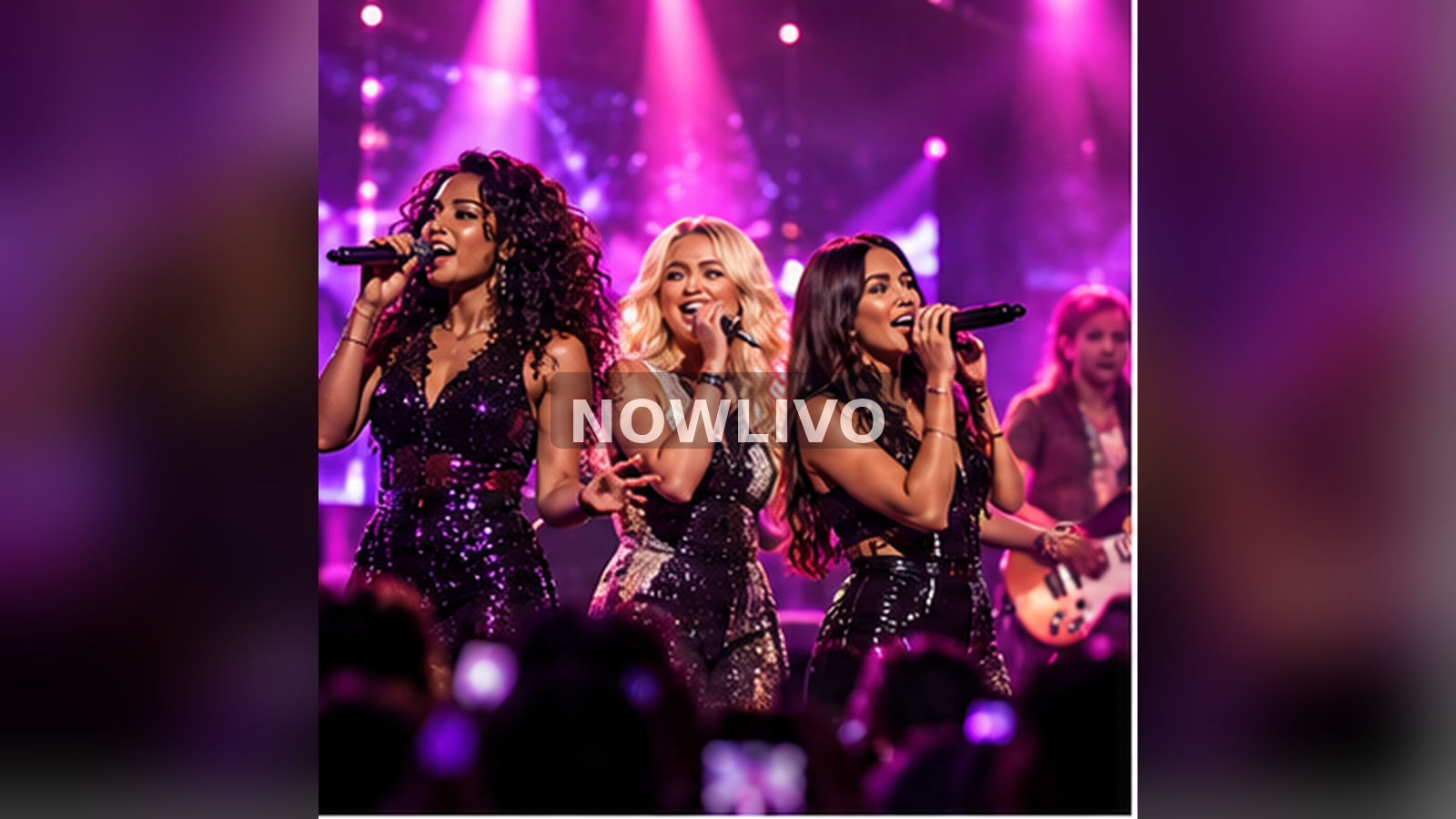
The Victoria’s Secret Fashion Show on October 18 has a confirmed musical lineup as well as a runway. The company names KATSEYE, Megan Moroney, Megan Thee Stallion and Tate McRae as guests for the Los Angeles presentation. Those acts reach different audiences and genres, helping explain why a fashion-event search can spill over into music discovery. The useful question is what is confirmed about their participation and how live music functions within a runway production—not which unverified set list, surprise duet or backstage rumour happens to be spreading.
The four acts confirmed by the organiser
The company’s event page names KATSEYE, Megan Moroney, Megan Thee Stallion and Tate McRae. That is the reliable roster at the time of writing. A promotional poster or a short artist teaser does not necessarily reveal the songs to be performed. Viewers looking for track titles should wait for a verified set list or watch the official show itself. Social accounts may publish rehearsals, sound checks or edited clips, and none should be mistaken for the complete musical programme without corroboration.
Why a live fashion show uses music as storytelling
A runway is a sequence of timed appearances, lighting cues and changes in mood. Live music can connect one section to the next and create a memorable emotional rhythm. The performer may be visible on the same stage as the models or shown from a separate performance area; the actual production determines that. Songs can also change the tempo of a walk and the way an outfit is perceived. A proper music article looks at what the audience heard, not only the outfits on screen.
The range of musical styles
KATSEYE is a pop group with a performance-led identity. Megan Moroney is associated with country music, while Megan Thee Stallion and Tate McRae have different pop and rap audiences. These contrasts may make the show appealing to people who would not normally search for a fashion runway. They should not be used to imply that one artist appeals only to one demographic or that audiences are guaranteed to respond positively. Individual listeners discover performers in varied ways, including a shared clip or a short livestream moment.
What is known about the timetable
The main runway show is scheduled for 4:30 p.m. Pacific on October 18, with a Pink Carpet segment beginning half an hour earlier. The official page promotes the artists as part of the live show but does not provide a definitive song-by-song clock in the material checked. Timing matters for viewers in India because the Pacific evening corresponds to the following morning. If a broadcast starts late, an artist’s set may also shift. Check live official coverage rather than calculating a performance time from an unverified rumour.
How to tell rehearsal footage from the performance
A backstage recording might show musicians warming up without the final costume, lighting or staging. A clip can also include music added in editing. To tell whether a performance occurred live, look for continuous footage of the show, the performer’s own verified post or a credited broadcast recording. Short vertical clips can be excellent for discovery but poor for establishing the order of events. Describing a rehearsal as a surprise performance would mislead readers who are trying to find the actual song.
Why search interest is not a chart ranking
The US Google Trends feed shows strong search interest in where to watch the 2026 fashion show. That tells us the programme is attracting attention, not that any featured song has climbed a national music chart. Music charts typically use specific combinations of streams, sales or airplay, with published methodologies. A runway video view and an audio-platform play are different data points. Without a measured source, a writer should not claim a performance “broke streaming records” or is the top music trend of the day.
What a useful post-show music recap should include
After the show, identify the songs actually performed, the order in which acts appeared and any officially released footage. Avoid treating a guest’s outfit or expression as proof of a private dispute. If a singer shares rehearsal stories, attribute the comments to the correct interview and date. Readers may also want to find the full studio recording of a song. In that case, separate the artist’s official audio release from the edited fashion-show soundtrack, which may use a different arrangement or duration.
How a performance can help music discovery
A viewer may hear an unfamiliar artist while watching a live fashion stream, then look up that performer’s catalog, tour or recent release. That path is a genuine example of discovery across different media. It does not establish an instant commercial effect without subsequent numbers. For readers, a simple listening list with verified artist names and song titles is more useful than predictions about the next viral hit. The opportunity for the newsroom is to serve curiosity without turning an audience crossover into an invented sales result.
What should a music critic listen for in a live clip?
A short concert clip may be impressive because of crowd noise, staging or camera work, but those qualities are distinct from the performance itself. Pay attention to whether a singer is using a different arrangement from the studio track, how a live band or recorded backing supports the sound, and whether the broadcaster has edited between takes. A one-minute social video might omit the introduction or ending of a number. That makes it a poor basis for claiming a song was shortened intentionally or that a performer left the stage early. Good music criticism can describe what is audible and visible without guessing at production decisions.
How artists and organisers credit each other
A major event involves performers, musicians, creative directors, dancers, broadcast crews and rights holders. The official lineup provides top-level names, but a complete production credit list may appear later. If a particular musical moment becomes popular, check who actually performed it before assigning it to a well-known artist from the event. Similarly, a song playing under a runway clip may be licensed background music rather than part of a guest’s live set. Accurate crediting matters to fans searching for a recording and to the people whose work created the moment. It is a more constructive form of coverage than unsupported backstage rumours.
Reader questions
Who are the official performers?
KATSEYE, Megan Moroney, Megan Thee Stallion and Tate McRae.
Are song titles announced in the cited event information?
Not as a complete verified set list.
When does the show start?
4:30 p.m. Pacific time on October 18, 2026.