WNBA Finals 2026: What Game 1 Shows About the Valkyries and Dream
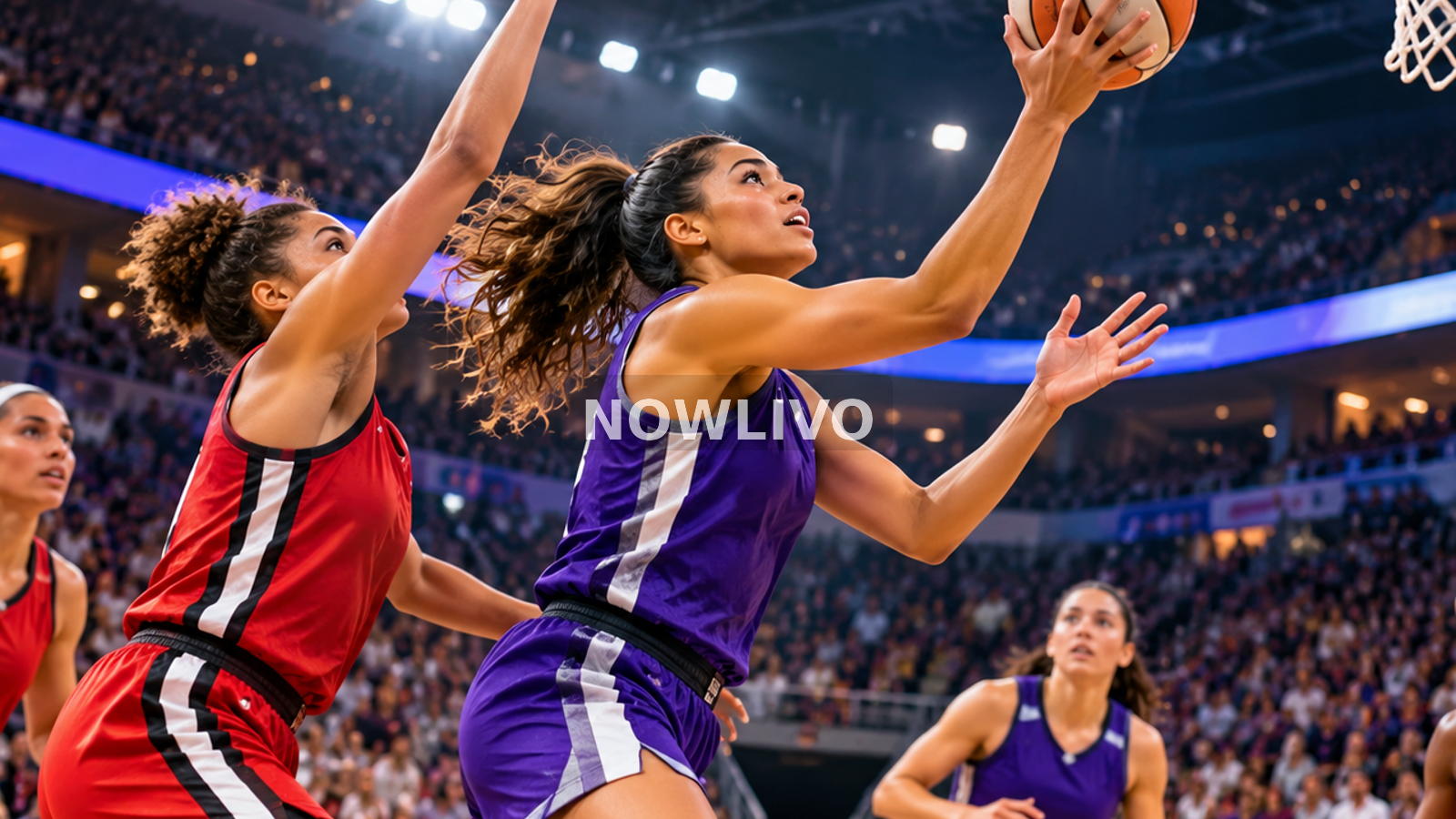
The 2026 WNBA Finals are a leading US search trend, and Game 1 produced a confirmed 68–64 Golden State win over Atlanta. The Valkyries’ official report highlights Gabby Williams’ 26 points and a 7–0 closing run. The series remains open, so the most useful analysis explains adjustments rather than predicting a champion.
Current search context: US: wnba finals 1M+, active. This describes a snapshot of the selected 24-hour search feed. It does not independently prove any claim made in a related social post.
What is confirmed, and what still needs checking?
Context matters because the same phrase can describe several different situations. The research basis used for this article is: Google Trends US past 24h; Golden State Valkyries official game 1 recap. The distinction is important because readers may search for the same phrase after a confirmed announcement, a live fixture or a rumour, and those cases call for different wording.
The late-game sequence matters
A four-point result was shaped by possessions at the end, not one spectacular highlight. Williams’ late foul shooting and Golden State’s defense converted pressure into points. The report identifies six of the final seven points from Williams at the line.
Atlanta demonstrated early strengths
Angel Reese’s strong first quarter put pressure on Golden State inside. Atlanta’s ability to create paint opportunities is important context even though the Dream lost. Good analysis should credit both a winning adjustment and the opponent’s strengths.
Shooting percentages are only one layer
An ice-cold stretch from three can be overcome with rebounding, defense and free throws. Compare final box score, shot locations and turnovers instead of treating one percentage as a complete explanation. Early misses do not invalidate a later strong finish.
This is a best-of-seven competition
Taking Game 1 creates a series lead, not a title. The published schedule lists another game in San Francisco before moving to Atlanta. Venue, recovery time and tactical adjustments are relevant between games.
Trends and fan opinion are different
A million-plus search bucket shows attention, not how many viewers support each team. Online comments may spotlight controversial calls or favorite players, but they are not a representative poll. Any claim about officiating should cite the actual rule or league review.
A useful decision checklist
For this Sports subject, begin with two concrete questions: what is known about the late-game sequence matters, and how does atlanta demonstrated early strengths affect the reader? The answers should come from a specific source, date and context, not from a search-result preview or a widely repeated claim.
- The late-game sequence matters: A four-point result was shaped by possessions at the end, not one spectacular highlight. Compare related explanations without treating copied claims as independent confirmation.
- Atlanta demonstrated early strengths: Angel Reese’s strong first quarter put pressure on Golden State inside. If the information affects a decision, verify the exact restriction, status or eligibility that applies.
- Shooting percentages are only one layer: An ice-cold stretch from three can be overcome with rebounding, defense and free throws. Find the responsible primary record and confirm that it refers to the same date and subject.
- This is a best-of-seven competition: Taking Game 1 creates a series lead, not a title. Check the event or product identifier before relying on a summary or screenshot.
- Trends and fan opinion are different: A million-plus search bucket shows attention, not how many viewers support each team. Look for an update time and distinguish live information from a completed outcome.
How to handle a conflicting post
An article claiming “Golden State crowned WNBA champions” after Saturday’s result confuses a game win with the seven-game series. A careful editor uses the official schedule and states only the confirmed 1–0 advantage.
The example matters for readers searching for WNBA Finals 2026 Game 1 analysis because it separates the detail that can be checked from the assumption that follows it. Anyone preparing an update on “WNBA Finals 2026: What Game 1 Shows About the Valkyries and Dream” should compare the original evidence with subsequent official information before describing a new outcome.
Clarifying the main uncertainties
What is the most important thing to establish? — the late-game sequence matters?
A four-point result was shaped by possessions at the end, not one spectacular highlight. Williams’ late foul shooting and Golden State’s defense converted pressure into points. The report identifies six of the final seven points from Williams at the line. State the location and date whenever either could change the meaning of the answer.
Where does the likely misunderstanding arise? — atlanta demonstrated early strengths?
Angel Reese’s strong first quarter put pressure on Golden State inside. Atlanta’s ability to create paint opportunities is important context even though the Dream lost. Good analysis should credit both a winning adjustment and the opponent’s strengths. A popular post can omit conditions that are visible in the original document or full footage.
Which source or record should be checked? — shooting percentages are only one layer?
An ice-cold stretch from three can be overcome with rebounding, defense and free throws. Compare final box score, shot locations and turnovers instead of treating one percentage as a complete explanation. Early misses do not invalidate a later strong finish. Search-result snippets may be out of date, so the originating organisation is the stronger reference.
How might circumstances change the answer? — this is a best-of-seven competition?
Taking Game 1 creates a series lead, not a title. The published schedule lists another game in San Francisco before moving to Atlanta. Venue, recovery time and tactical adjustments are relevant between games. Check later notices before acting: a live situation can change after the first report.
What should I avoid claiming without more evidence? — trends and fan opinion are different?
A million-plus search bucket shows attention, not how many viewers support each team. Online comments may spotlight controversial calls or favorite players, but they are not a representative poll. Any claim about officiating should cite the actual rule or league review. Do not infer a result, price, official decision or public consensus from a search count alone.
Where the facts stand now
Golden State won the opener by four; the series is not over. The tactical conversation should follow official game data and future results. Readers returning to this topic should first look for an updated official record or an on-the-record statement, then compare it with the information available when this article was prepared. Dates, match results, service availability and public warnings can change quickly, even if the original Google Trends query has already stopped rising.
Verification note: “WNBA Finals 2026: What Game 1 Shows About the Valkyries and Dream” draws on the stated search context and related original sources. Its reader example is illustrative; it is not an additional newly witnessed event. Where a trend is only related, the article does not assert that the exact keyword was a confirmed Google Trends breakout.