Prasidh Krishna Ruled Out of New Zealand ODIs; India Adjusts Plans for November Series
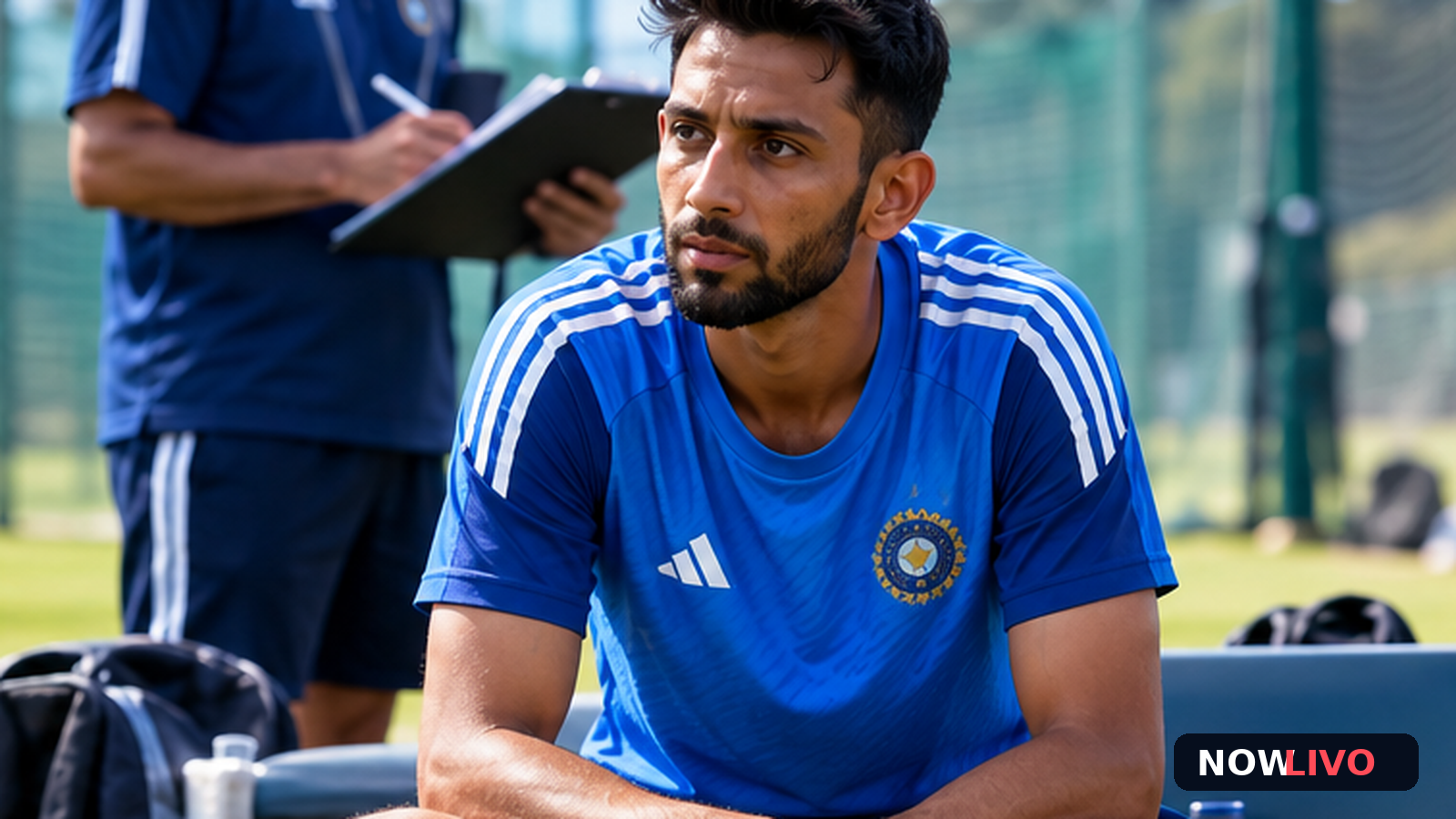
India's preparations for the one-day international leg of the New Zealand tour have taken a new turn. Fast bowler Prasidh Krishna has been ruled out of the five-match ODI series beginning November 4 after he could not obtain the fitness clearance required to return to competition. The confirmation on Friday, October 30, converts an earlier fitness question into a definite absence and forces the selectors and team management to plan without him for the 50-over matches.
The International Cricket Council reported that Krishna needs more time to regain the bowling workload necessary for competitive cricket. The pace bowler has been recovering from a hamstring problem. His original inclusion was conditional on fitness, so the announcement should not be described as a sudden injury suffered during the current T20I series. It is a return-to-play decision made before the ODI fixtures begin.
What changes in the bowling plans
Krishna offers a different type of pace option from India's other seamers, particularly because of his height and ability to extract bounce. His absence reduces the number of available combinations during a demanding overseas schedule. That matters when a side must balance new-ball control, wicket-taking in the middle overs and bowling at the end of an innings.
India's revised plans also involve players moving between the senior side and India A. The ICC said Nitish Kumar Reddy will remain with the ODI squad for the first match on November 4 in Auckland before joining India A for further match practice. Mohammed Siraj is also set to play for India A in a four-day fixture as the selectors prepare for the Test matches later in November.
Those assignments are significant because the tour is not limited to a single format. India is due to play the ODIs and then a two-match World Test Championship series beginning November 19. The team therefore has to manage players who may be needed for red-ball cricket while still fielding competitive limited-overs sides. The movements of Reddy and Siraj should be read in that wider scheduling context.
The November fixtures now in view
The first ODI is scheduled for November 4 in Auckland. The second follows on November 7 in Wellington, the third on November 10 in Hamilton, the fourth on November 13 at Mount Maunganui and the fifth on November 15 at the same venue. The long itinerary makes workload planning more than an administrative detail: bowlers could be asked to deliver repeated spells across different conditions within a short period.
The ICC's published squad information shows different combinations for the first three matches and the final two. Shubman Gill is listed as captain for the opening three ODIs, with Shreyas Iyer named captain for the last two. Senior players including Rohit Sharma and Virat Kohli are included in the ODI plans. The precise playing eleven, however, will be determined closer to each match, and a published squad is not a guarantee of selection for any particular fixture.
What is known about Krishna's recovery
The official information establishes that Krishna is not ready for this ODI series. It does not establish that he will miss the later Tests, nor does it provide a firm date on which he will return to full international duty. Reports have described the possibility of an India A appearance if he clears further assessment, but that remains conditional on medical and performance clearance.
For supporters, the important distinction is between a confirmed withdrawal and speculation about long-term fitness. India has lost Krishna for the ODI assignment; decisions about subsequent cricket should be based on later official updates. No replacement needs to be invented in order to explain the significance of his absence.
The composition of the squad is also unusual because the leadership changes partway through the five-match series. That creates separate planning questions for the opening three ODIs and the final two, particularly around combinations of experienced batters and younger pace options. The first ODI at Auckland will give the earliest indication of how India intends to balance its attack without Krishna. His status for future red-ball fixtures remains an independent question, and a return to India A cricket would be a step toward match fitness rather than proof that he is ready for a full international workload. The board's fitness assessment, not social-media projections, will determine his next appearance.
The selection announcement is therefore a live issue for fans following both the ODI and Test squads, not a retrospective injury summary. Team lists can still be adjusted as fitness assessments and match conditions change.
New Zealand's recent T20I result has already shown how quickly a batting side can punish inconsistent pace bowling. The ODI format presents different demands, but India's bowling resources will again be scrutinised. Krishna's withdrawal is therefore a substantial selection development even before the first ball of the 50-over series is delivered.