Rajasthan Panchayat Voting Opens in 3,314 Village Councils
The latest development
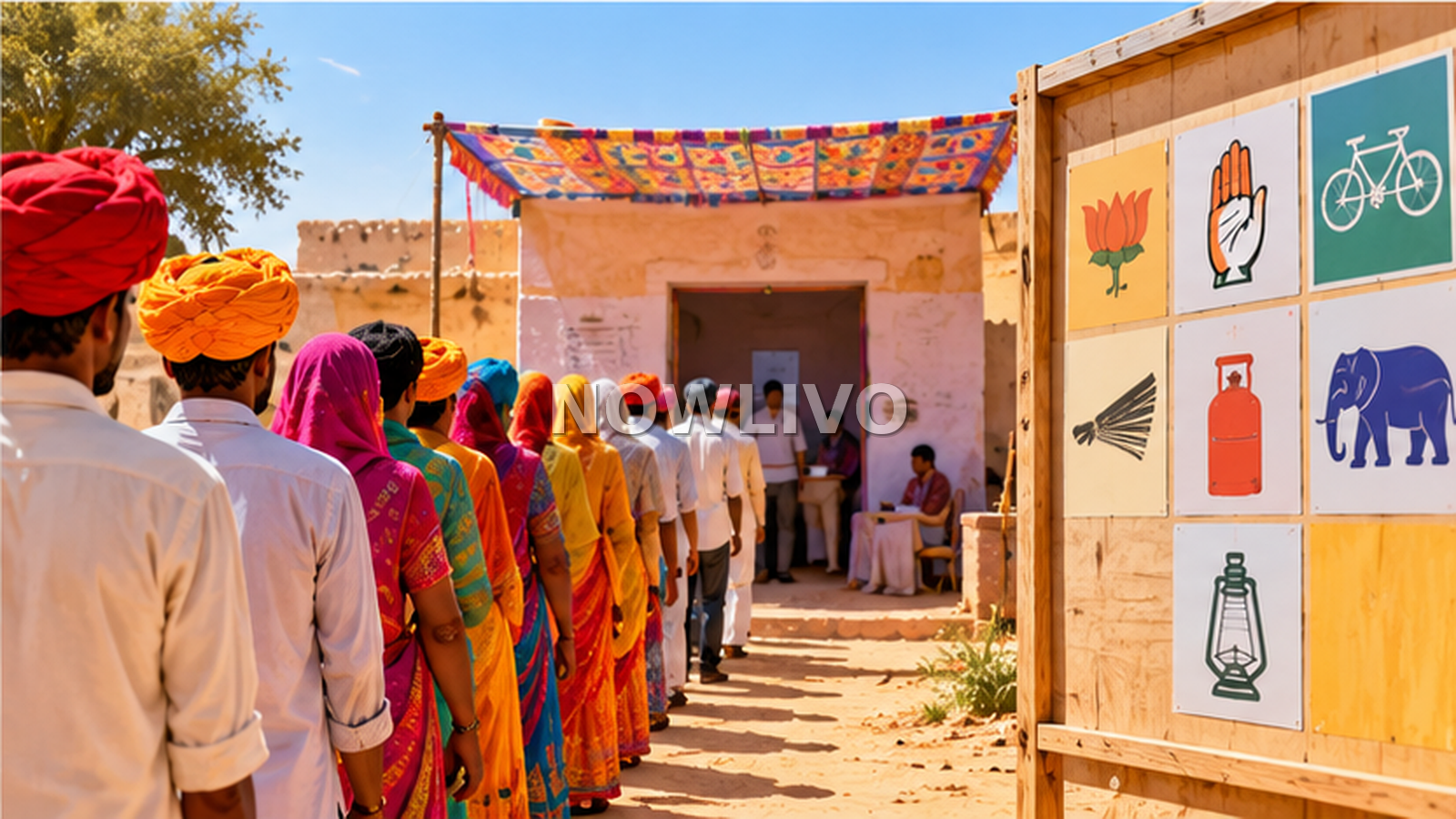
Voting began on Saturday, October 24, for panch and sarpanch positions in 3,314 gram panchayats across 16 Rajasthan districts. The exercise is an important local-government contest, with results expected after the scheduled close of polling rather than already known. That distinction is central to understanding the first phase of Rajasthan village elections. A news update can establish that an event or decision occurred without settling the larger controversy around it. Readers are better served by a precise account of the new step than by a headline that turns a limited development into a sweeping conclusion.
How the situation developed
According to the published election report, 16,795 candidates are competing for sarpanch positions, while voting also covers 28,682 ward-panch seats. Polling was scheduled to continue until 6 p.m., followed by counting and anticipated late-evening results. A reliable timeline separates the original event, the response and the newest procedural development. Without that separation, a reader can mistake a resurfaced allegation for a new incident or assume that an issue has been settled merely because it has remained in the news for several days.
What the reporting establishes
The participating districts include Ajmer, Alwar, Barmer, Bhilwara, Bikaner, Dungarpur, Jaipur, Jhalawar, Jodhpur, Kota, Nagaur, Pali, Phalodi, Rajsamand, Sirohi and Udaipur. The figures describe the first phase, not every local election taking place in the state. The available details are sufficient to explain the central development, but not every question that the headline invites. Numbers, documents and named statements have different evidentiary weight. A reported figure should retain its unit, time frame and attribution; an estimate should not silently become a confirmed count.
Different accounts and responses
Election administrators are responsible for orderly polling and counting, while candidates and supporters are competing for village-level mandates. At the time of the reporting, there were no verified statewide results to attribute to a party or political grouping. The existence of disagreement is itself newsworthy when institutions or public figures are involved. Still, equal attention to competing claims does not mean every claim has equal support. A fair report names the speaker, explains the basis offered and leaves unproven assertions as assertions rather than conclusions.
The rules and process behind the headline
A gram panchayat is a local elected institution; a sarpanch heads its village government, and ward panch members represent local constituencies. The functions differ from those of a state legislative assembly, so the election should not be presented as a statewide assembly verdict. It helps to identify which institution has the power to act at each stage. The body that makes a public statement may not be the body that investigates, regulates, judges or implements the next step. Confusing these roles creates false expectations about what the announcement actually changes.
Who may be affected
The outcome can influence decisions on local roads, water, sanitation, community services and the relationship between residents and district authorities. The relevance of a candidate often turns on village concerns rather than national campaign themes. The public interest is broader than the most familiar names in the story. A policy, dispute or investigation may also affect workers, households, local institutions and people with little opportunity to speak publicly. Describing those possible effects is useful, but they should not be presented as outcomes already measured.
What is still unresolved
Individual turnout, margins and any contested counts remain unknown until official results are declared. Predictions based on queue photographs or claims by supporters are not evidence of a winner. Some places may have different schedules or procedures. A missing answer is not an invitation to supply a plausible explanation. Where evidence is incomplete, the most informative approach is to identify the missing record or decision that would resolve the uncertainty. That keeps readers from confusing an unanswered question with evidence that one side must be correct.
What to watch next
Readers should look for district-wise official counting notices, confirmed winners and any reports of repolling or challenges. If counting extends beyond the anticipated evening timetable, that should be reported as a change rather than filled with speculative figures. The next report should be judged by whether it changes what is known. An official filing, court order, regulatory instruction, reliable data release or direct response can do that. An anonymous prediction or an edited social-media clip may attract attention without adding dependable evidence.
Why the development matters
The number of contests makes aggregation difficult: a headline about thousands of seats does not automatically reveal a single statewide political trend. Village results deserve local context and careful labeling of party affiliation where relevant. The immediate story also raises a longer-term question about institutional trust and accountability. Those questions deserve examination, but they are not reasons to leap ahead of the record. Explaining the practical stakes while preserving uncertainty is more useful than predicting a dramatic resolution.
What this report does not claim
This article reflects the opening of polling, not a declaration of results. It does not invent turnout figures, allegations of irregularities or candidate victories that were not established in the source reporting. The limits of the record are part of the story. Reporting only what can presently be supported leaves room for later corrections and new evidence. It also prevents a developing dispute from being framed as a closed case before the responsible institutions have finished their work.
A closer look at the context
Election administration involves several distinct safeguards: eligibility rules, registration records, the ballot itself, counting procedures and mechanisms for contesting a decision. Each serves a different purpose. A dispute about one stage should not automatically be used to discredit every other stage. In the first phase of Rajasthan village elections, the practical questions are what rule applies, which authority may enforce it and how affected voters can obtain a timely review.
The longer-term test
The calendar matters unusually much in election reporting. Changes introduced after ballots are prepared or voting begins can create problems even when officials describe their goal as legitimate. At the same time, a complaint about a rule is not proof that the election outcome has been affected. Clear coverage distinguishes pre-election litigation, voting-day administration, certification and later judicial review.
How to judge the next update
Election-related numbers should be handled with special care. A list of flagged records is not a count of illegal ballots; a candidate’s fundraising total is not a vote tally; a turnout snapshot is not a final result. Readers benefit when every figure is labelled by source and time. The eventual democratic test is a lawful, transparent process that permits scrutiny without inventing conclusions.