Supreme Court Sets November 17 Hearing in Election Commission SIR Dispute After Fresh Allegations
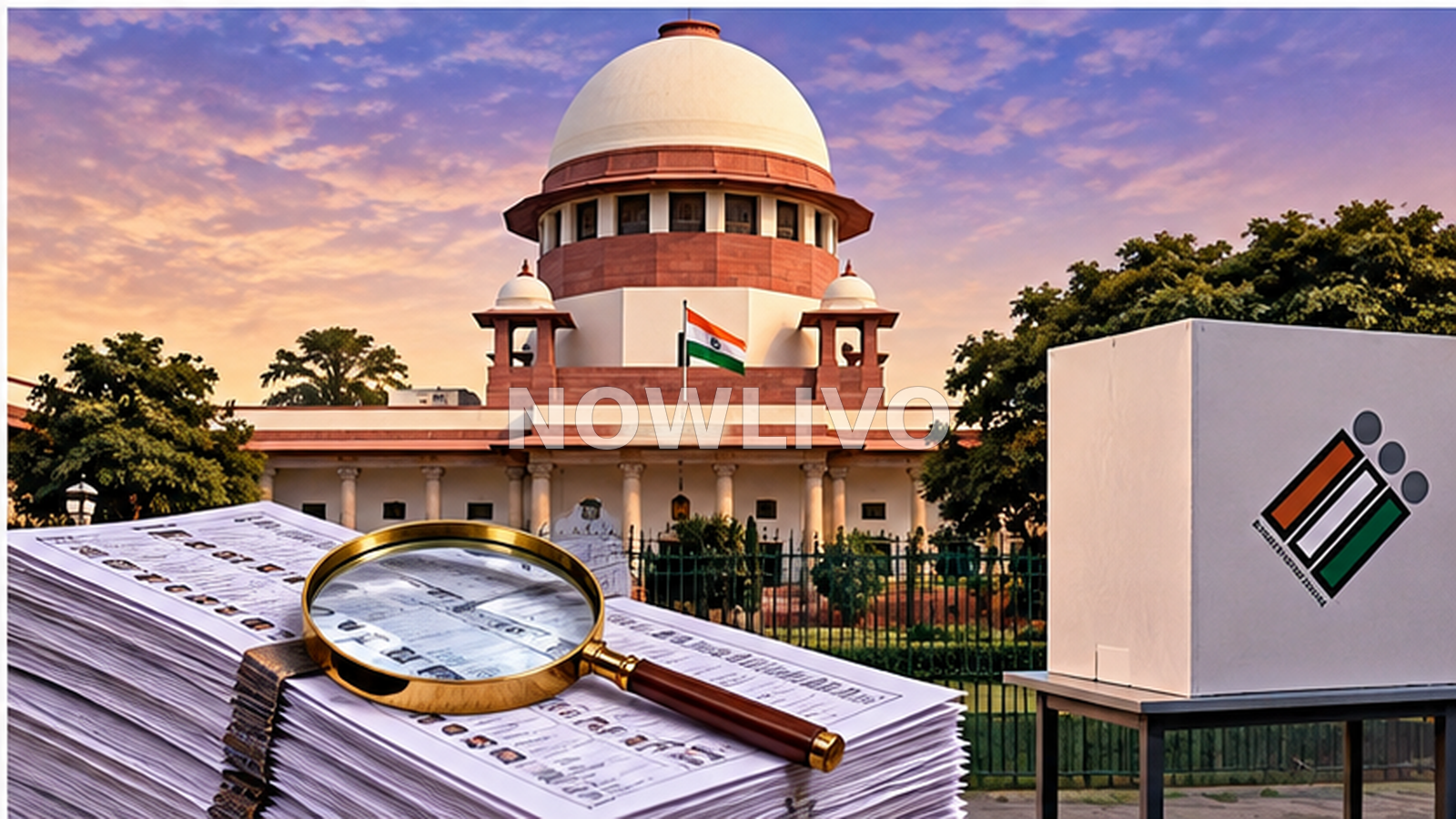
India's Supreme Court on Tuesday, October 27, gave petitioners additional time to respond to the Election Commission of India's submissions in a set of cases challenging aspects of the poll body's functioning. The bench scheduled further consideration for November 17, according to The Indian Express. The dispute includes claims about whether decisions concerning the Special Intensive Revision, or SIR, of electoral rolls were taken unanimously. The Election Commission has said in its affidavit that the decisions were unanimous, while challengers want the court to examine how the decisions were made.
The immediate judicial development is procedural but important: the court has not accepted either side's account as established fact. It has instead allowed a further written response and indicated that it will examine the issues raised. That distinction matters because public discussion of electoral-roll disputes often moves quickly from allegations to claims of proof. A hearing date and competing affidavits are evidence of an active case, not a finding that election officials violated the law.
What petitioners are asking the court to examine
The Indian Express reported that senior advocate A. M. Singhvi, representing Rahul Gandhi and leaders associated with the INDIA bloc, sought preservation of internal communications and file notings. The argument is that those records could help show how decisions were taken and whether consultation or collective approval occurred. The request concerns evidence that petitioners say may be relevant. It does not mean that the court has already concluded documents were withheld or that a particular official acted unilaterally.
The petitioners' concern is tied to the governance of a constitutional institution. Electoral-roll revision can affect who is listed to vote and how quickly errors are corrected. Questions about the internal decision process therefore have public significance even when no final judicial conclusion has been reached. At the same time, administrative decisions can involve multiple stages and legal requirements, so any assessment must be based on the applicable rules and actual records rather than political rhetoric alone.
The Election Commission's response
The Election Commission's affidavit, as described in reporting, maintains that the relevant decisions were unanimous. Its counsel disputed some of the allegations made during the hearing. That is a substantive response and should be presented alongside the petitioners' position. The existence of disagreement does not make the positions equivalent in evidentiary weight; it means the court must assess the material before it and decide what, if anything, warrants relief.
Another argument concerned Form 6, the form used for registering new voters. Senior advocate Menaka Guruswamy, appearing for Trinamool Congress MP Dola Sen, alleged that the Election Commission had tampered with the form and had issued a misleading press release about Supreme Court approval. The Commission's lawyer rejected the criticism. These are contested claims reported from court, not established findings. The next stage of proceedings may clarify whether the bench requests documents, frames specific questions or narrows the dispute.
Why the case matters to voters
For ordinary voters, the practical concern is whether electoral rolls are accurate, accessible and corrected through fair procedures. An eligible person omitted from a roll may face difficulty voting; a flawed entry can create confusion at a polling station. Revision exercises are intended to improve records, but their implementation can become controversial if citizens believe notice, verification or appeal mechanisms are inadequate. Those concerns are separate from the question of whether the Election Commission's internal decisions met procedural requirements, although the cases can intersect.
The hearing also demonstrates why voters should avoid drawing conclusions from viral excerpts of court exchanges. A judge's question, a lawyer's allegation and a final order are different things. The written order and subsequent filings provide the most reliable account of what the court has actually directed. Readers should not treat a lawyer's claim that a document was altered as proof of alteration, nor should they assume the Commission's affidavit ends the inquiry.
A distinct development from the Maharashtra voter-list case
NOWLIVO previously covered a separate Supreme Court notice concerning alleged voter deletions in Maharashtra. Tuesday's proceedings address broader claims about SIR decision-making, unanimity and Form 6, with a new November 17 listing. Both involve electoral rolls, but they are not interchangeable legal developments. Conflating the cases could mislead readers about which bench made which order and what relief each group of petitioners is seeking.
The court's next hearing is the key date to watch. The petitioners have been allowed time to reply to the Election Commission's affidavit, and further directions will depend on the bench's consideration of those materials. Until then, the accurate summary is that the dispute remains unresolved, the Election Commission disputes the allegations, and the Supreme Court has kept the matter under examination. That is consequential news without implying a verdict that has not been delivered.