Security arrangements for several Mumbai film personalities have come under renewed attention following the October 18 firing incident involving actor Tiger Shroff. Reports on October 21 describe heightened precautions around the homes of Salman Khan and Akshay Kumar, as well as the ongoing treatment of a person injured in the attack. The main story is no longer only about one actor’s car: it now involves the wider entertainment industry’s concerns about threats and how authorities respond. However, rumours about the attackers’ full intentions should not be confused with findings established by investigators. Police inquiries, medical treatment and security arrangements are separate developments that require separate evidence.
What happened during the attack?
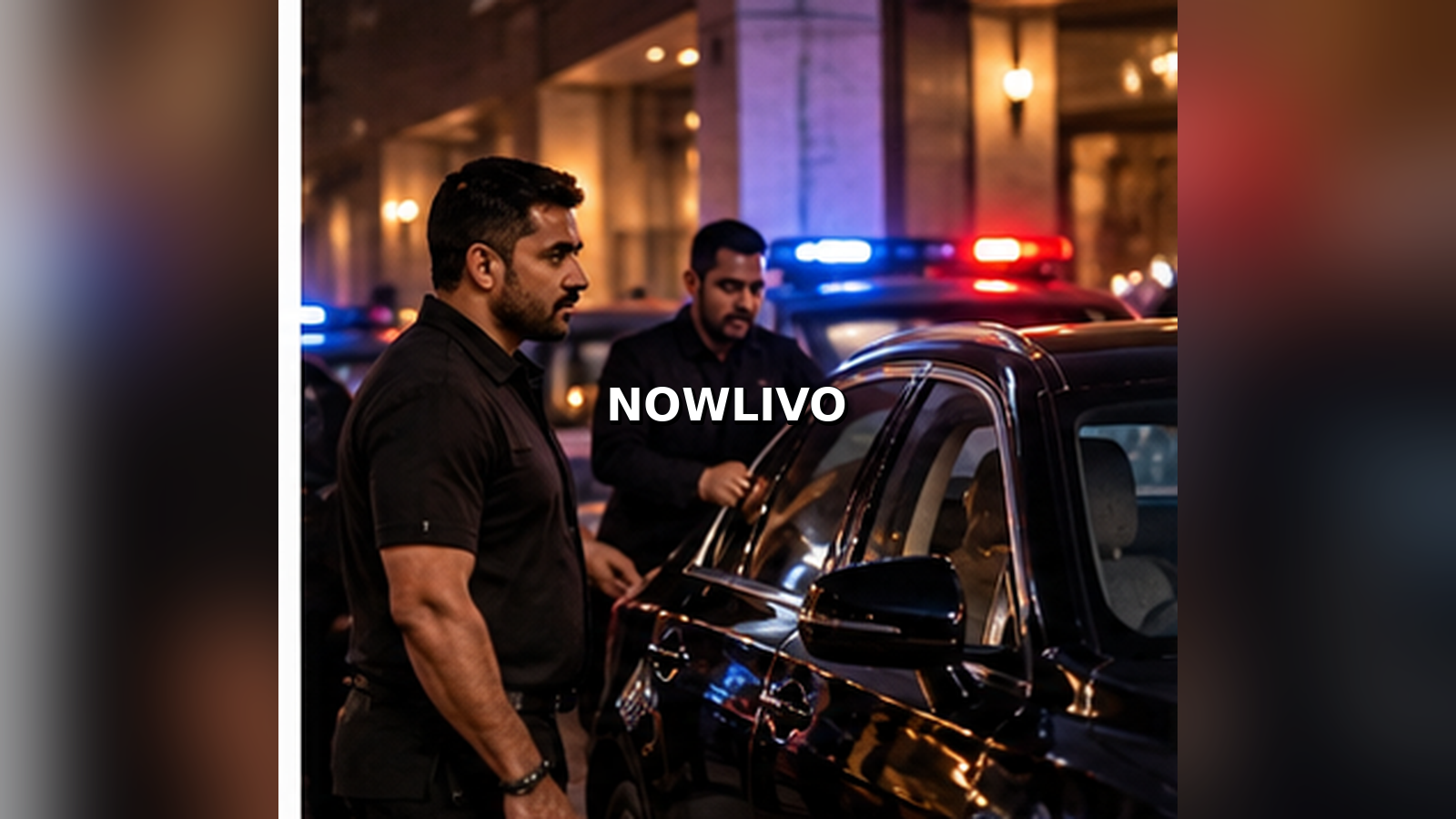
News accounts place the shooting in the Juhu area of Mumbai on the evening of October 18 as Shroff was leaving a football club. Shots were fired toward his car. Reporting indicates that the actor escaped without serious injury, while his driver and another person nearby were hurt. Initial descriptions of injuries varied as new details emerged. Information about the attack should therefore be tied to dated police or hospital updates rather than recycled early headlines. That distinction is particularly important when edited clips and still photographs circulate without information about when they were recorded. The reported injuries of people other than the actor deserve attention, not only celebrity-focused coverage.
What changed on October 21?
The Indian Express reported that security had been strengthened around the residences of Salman Khan and Akshay Kumar and that patrol activity was being increased near other film-industry properties. The paper also reported steps to add protective glass at Kumar's Juhu home, attributing some of its information to other reporting. These measures are notable, but they are not proof that a specific new attack is imminent. Protective steps may be precautionary while police investigate. It is also inaccurate to say that every Bollywood household received identical protection; the reporting identifies certain individuals and residences, not a universal policy.
What is known about the injured bystander?
A separate but significant part of the story concerns Umesh Chauhan, who was reported to have been injured in the shooting. The Indian Express described his treatment at Mumbai's KEM Hospital and said surgery was being planned. It also reported that Shroff's mother Ayesha visited him and offered support to his family. The family's situation should not disappear behind larger discussions of celebrity security. At the same time, medical outcomes cannot be predicted from press accounts or from the fact that surgery was scheduled. Any update on his recovery should come from authorised medical or family information and carry a clear date.
Has anyone been arrested?
Contemporary coverage reports arrests in connection with the case, including a coordinated police operation outside Mumbai. Arrests are investigative developments, not convictions. A suspect remains entitled to due process, and claims of responsibility made in online posts are not proof that a particular person directed an attack. It is necessary to distinguish what police say they have established, what anonymous sources suggest, and what an account claims on social media. Public speculation about an intended alternative target has intensified interest, but readers should wait for an attributed statement or court record before treating such speculation as a finding.
How has the film industry reacted?
Film workers' representatives and actors have expressed anxiety about the safety of performers, crews and their families. Such concerns extend beyond publicity or celebrity status. Film production often involves late travel, public events, crowds and repeated movement between studios and homes. Threats could affect drivers, assistants, technicians and bystanders as readily as well-known actors. Calls for additional protection therefore have a wider workplace-safety dimension. Reporting should not suggest that every actor shares the same threat level, but it can accurately observe that a publicised incident has triggered discussion about practical security measures across the industry.
What about AI-generated videos and false claims?
Shroff's team previously warned about misleading AI-created material and unfounded stories circulating after the incident. That matters because artificial imagery and edited clips can be passed off as evidence. An image of an actor with apparent injuries, for example, may not establish when or how those injuries occurred. The proper method is to compare the claim with dated statements and reporting from identifiable sources. Newsrooms must also avoid publishing speculative maps of a celebrity's security routine or private movements. Accurate reporting can describe protective measures without exposing exact arrangements that could create new risks.
What questions remain unanswered?
Investigators still need to establish the complete sequence of events, the role of each accused person, the weapons involved and any wider conspiracy through evidence that would withstand legal scrutiny. Some of those questions may be addressed in court rather than immediately at a press conference. Separately, the people injured require care and support, and there may be decisions about event security across the industry. A comprehensive account will develop in stages. A rushed narrative that declares motives, conspirators or outcomes prematurely could misinform readers and unfairly affect those involved.
What should readers take away?
The latest reporting establishes a real safety concern and documented precautionary responses, not certainty about every rumour surrounding the crime. Tiger Shroff's escape, the injuries to others, the security measures and the investigation all matter. Readers following the case should prioritise dated police updates and verifiable hospital or family statements over anonymous messages and edited social videos. The broader impact is a renewed discussion of safety for everyone working around film productions, not just the most visible stars.