
UN Chief Puts Security Council Reform and Four Tests of Power Before World Leaders
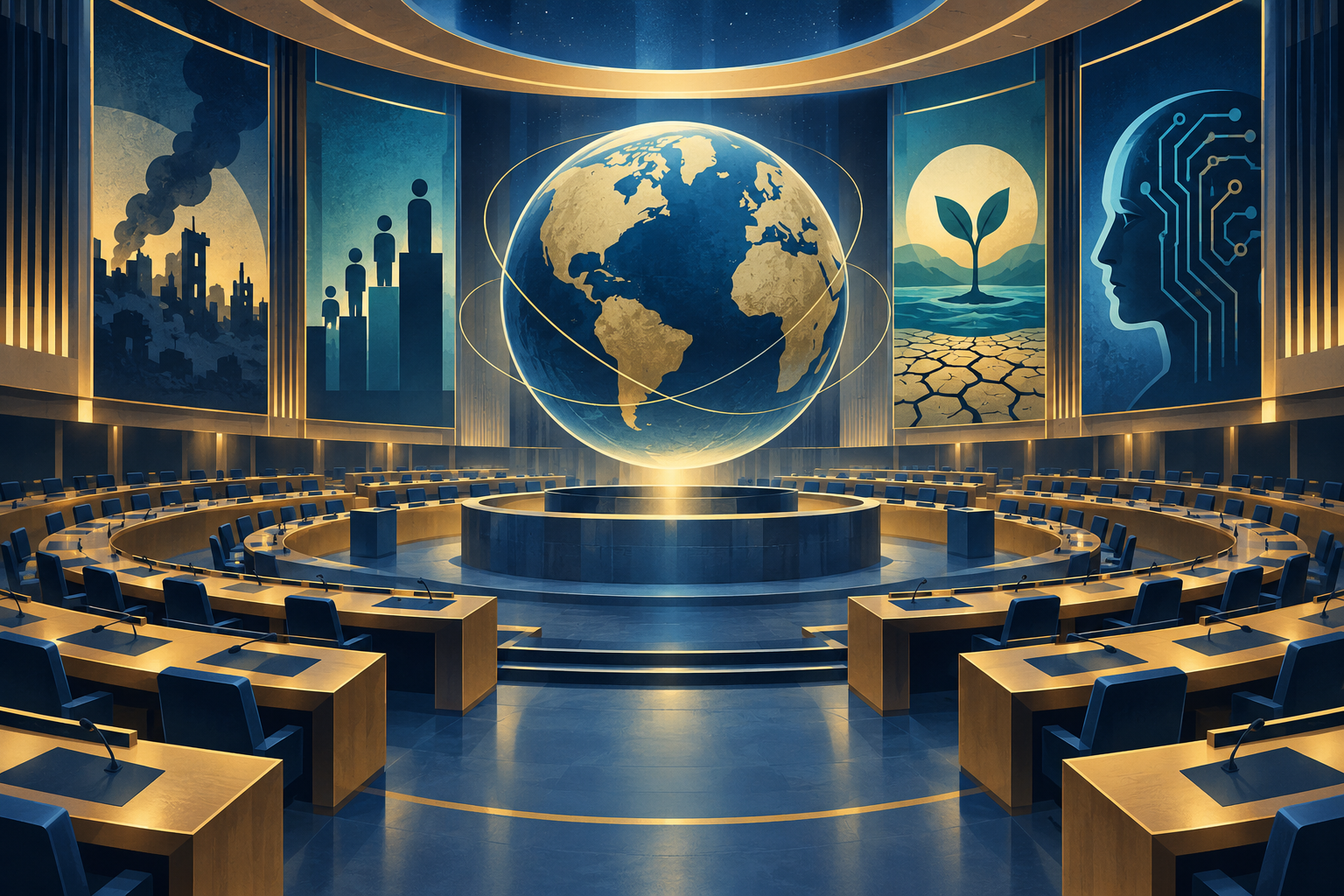
The UN General Assembly’s annual debate opened in New York on 22 September with Secretary-General António Guterres asking governments to confront what he called four tests of power: war and peace, inequality, climate change and artificial intelligence. His address also renewed a call to reform the Security Council, including permanent representation for Africa.

The speech is a political appeal, not an agreement adopted by member states. Heads of state and other senior representatives are scheduled to address the Assembly through 26 September and again on 28 September. The debate provides a stage for positions and diplomacy; any concrete policy commitment must be judged by later decisions, funding or negotiated action.
Why Council representation is central
Guterres argued that the UN’s institutions still reflect an earlier distribution of power. He specifically said Africa lacks a permanent Security Council seat, despite its current role in global affairs. A call for reform does not itself change the Council’s membership or voting rules. The gap between a widely discussed demand and an agreed institutional change is therefore one measure of what this high-level week achieves.
The four themes are linked in his account. He urged de-escalation and humanitarian access in current conflicts, described debt and unequal access to finance as questions of power, sought stronger climate finance and accountability, and warned of concentrated control over AI and data. These are the Secretary-General’s priorities and assessments; governments may differ over remedies, costs and responsibility.
What to watch after the speeches
A useful test is whether governments move from broad expressions of concern to specific proposals: a negotiating path on Council reform, steps that improve civilian protection, credible finance commitments and rules for emerging technology. The opening address supplies no timetable for those outcomes. It does, however, give readers a way to compare leaders’ subsequent speeches with the problems the UN’s top official says require collective action.
The Assembly’s general debate is scheduled across 22–26 and 28 September. Statements made there should be distinguished from formal resolutions or binding measures by other UN bodies.