Congo reports 8,067 confirmed Ebola cases as response faces mounting strain
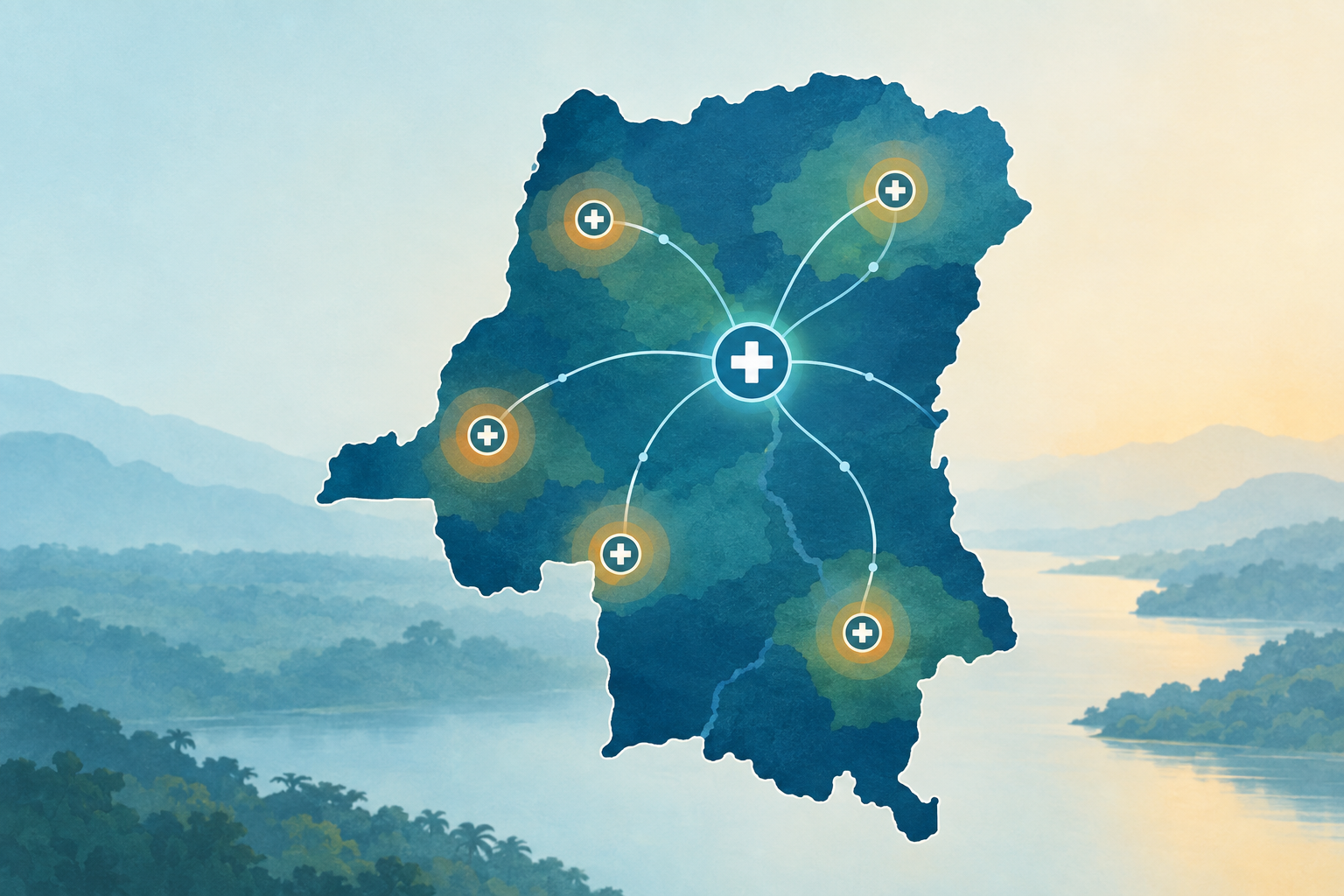
The Democratic Republic of the Congo recorded 8,067 confirmed Ebola cases and 3,901 deaths as of September 26, 2026, according to figures reported by the country’s health authorities. Cases had been recorded in 63 health zones across seven of its 26 provinces. The figures mark another increase in an outbreak that health teams are struggling to contain.

The outbreak is caused by Bundibugyo virus, one of the viruses that can cause Ebola disease. Congolese authorities declared it on May 15. It has since become the country’s largest recorded Ebola outbreak, according to the World Health Organization. The September 26 figures describe cases and deaths in the Democratic Republic of the Congo; they should not be read as a count of infections worldwide.
Why the outbreak remains difficult to control
The geographic reach of the outbreak is a central challenge. In its September 25 assessment, the WHO identified Ituri as the most affected province and reported substantial transmission in North Kivu. It said case numbers had fallen from a peak in some parts of Ituri, but warned that a national trend can obscure worsening conditions elsewhere. Two recently affected health zones brought the total to 63: Bulu, in the northwestern province of Sud Ubangi, and Dungu, in Haut-Uélé near the border with South Sudan.
A health zone is a local health-service area, not an entire province. The count of 63 zones shows where confirmed cases have been recorded during the outbreak; it does not mean transmission is equally intense or currently active in every one of them. The WHO said 48 zones had reported at least one case in the 21 days leading up to September 23.
Outbreak control depends on finding people with symptoms promptly, confirming infections, providing care, tracing contacts and preventing exposure in homes and health facilities. Those tasks have become harder amid conflict, insecurity, displacement and limited access to basic services, the WHO said. Population movements and the distance between affected communities add pressure to teams that must follow up contacts and reach patients quickly.
Staffing is another concern. Health workers have reported delayed or missing payments, and work stoppages have disrupted parts of the response. That matters because surveillance, treatment and safe burials all require trained people who can work consistently and with adequate protection. The WHO has called for more support for frontline workers and resources for affected communities.
WHO warns about deaths outside care
The WHO has drawn particular attention to the persistently high proportion of deaths occurring in communities rather than in treatment facilities. In its September 25 assessment, it said this pattern, together with the high reported case-fatality ratio, points to difficulties detecting illness early and getting people into appropriate care. Delays can leave patients without timely support and create further opportunities for exposure among close contacts.
The 3,901 deaths reported by Congolese health authorities represent roughly 48% of the 8,067 confirmed cases recorded by September 26. That crude ratio describes the reported outbreak figures; it does not predict an individual patient’s outcome. Counts can also change as health authorities confirm cases and revise records.
Bundibugyo virus spreads between people through direct contact with the bodily fluids of someone who is ill or has died, or with contaminated materials. It is not transmitted by ordinary proximity to a person before symptoms begin. Early symptoms can resemble those of other illnesses, making testing and prompt assessment important in affected areas. The WHO says there is currently no approved vaccine or specific treatment for Bundibugyo virus disease, although supportive care and research into medical countermeasures are part of the response.
The WHO assesses the public-health risk as very high within the Democratic Republic of the Congo and high for countries sharing its land borders, but low at the global level. Its concern about possible cross-border transmission is a call for surveillance and preparedness, not a finding that this outbreak has spread globally. For now, the immediate priority is reaching affected communities, detecting infections sooner and sustaining the workforce needed to care for patients and interrupt transmission.