Morocco names Fatima Ezzahra El Mansouri its first woman head of government
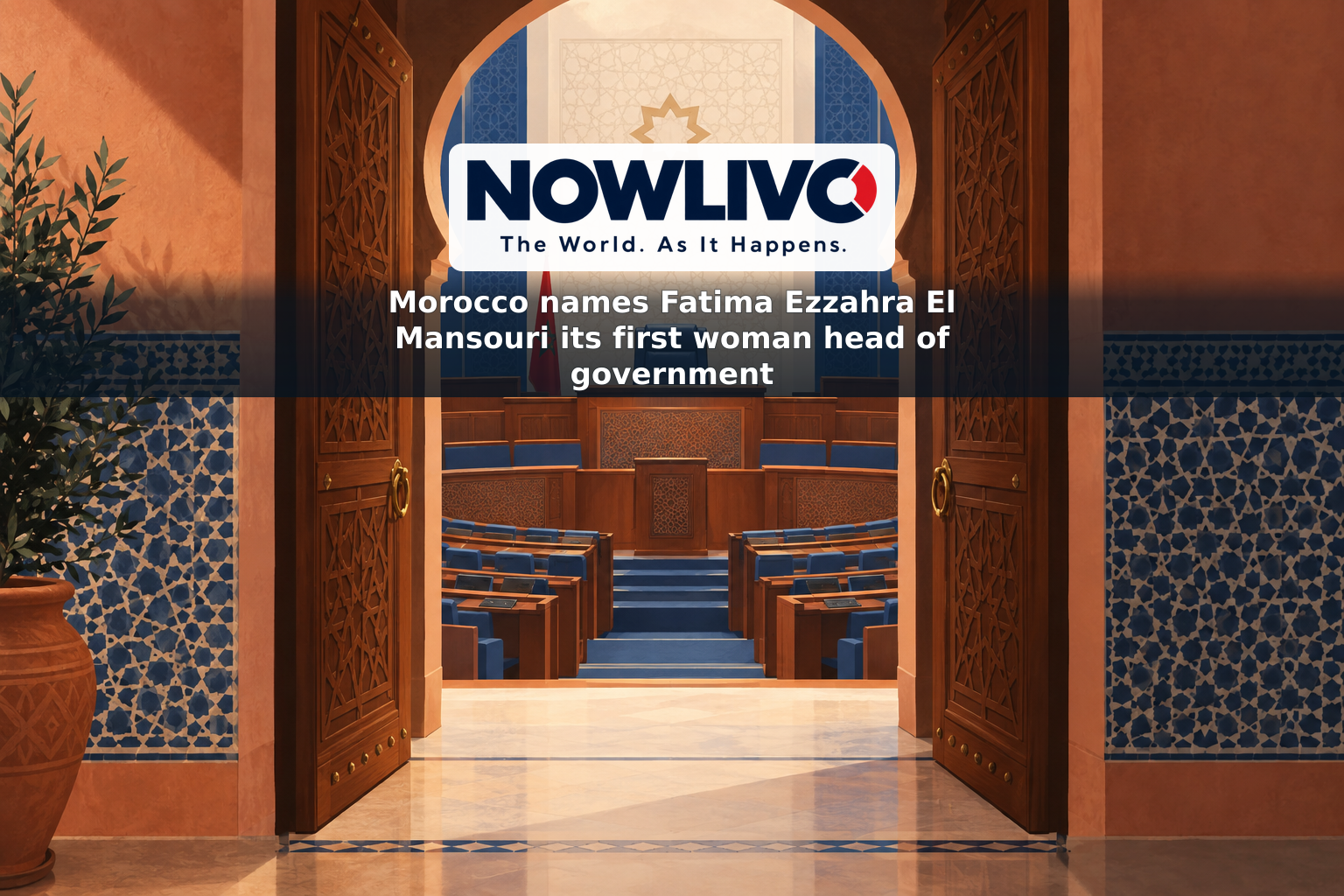
King Mohammed VI appointed Fatima Ezzahra El Mansouri as Morocco’s head of government on September 29, 2026, making her the first woman named to the country’s top government post. The king tasked her with forming a cabinet following a parliamentary election in which her Authenticity and Modernity Party, known as PAM, won the most seats.
The appointment marks a breakthrough in political representation, but it is also the start of a governing process rather than its conclusion. El Mansouri must assemble a cabinet and secure parliamentary support for its program. How she manages those negotiations will help determine whether the change at the top also produces a change in policy.
Why she was appointed
Morocco’s royal household announced that the king received El Mansouri at the royal palace in Rabat and appointed her under Article 47 of the constitution. That provision requires the monarch to choose a head of government from the party that finishes first in elections to the House of Representatives.
PAM won 97 of the chamber’s 395 seats in the September 23 election, according to preliminary results announced by Interior Minister Abdelouafi Laftit. The result put the party ahead of its rivals but well short of the seats needed to govern alone. The Interior Ministry reported turnout of 38.08%, leaving the incoming government with the additional challenge of engaging voters who did not take part.
El Mansouri succeeds Aziz Akhannouch, whose party led the outgoing governing coalition. Her appointment gives PAM the opportunity to lead the next government, subject to the negotiations and parliamentary vote still ahead.
From Marrakech to national leadership
El Mansouri trained as a lawyer before building a political career that has spanned city government, parliament and the cabinet. She became Marrakech’s first woman mayor in 2009, held the post until 2015 and returned to it in 2021. Her years in local office gave her a prominent role in one of Morocco’s best-known cities.
At the national level, she served as minister responsible for territorial planning, urban development, housing and city policy in the outgoing government. She is also the coordinator of PAM’s collective leadership. Those roles have placed her at the intersection of party politics and issues that affect daily life, particularly the availability of housing and the development of cities.
That experience may help her in talks with potential coalition partners. Leading a government, however, will require a broader set of agreements than running a ministry or a city council: parties will have to settle cabinet posts, shared priorities and a program they can defend together in parliament.
What happens next
Under Morocco’s constitution, the king appoints ministers on the head of government’s proposal. The new government must then present its program to parliament and win the confidence of an absolute majority of the House of Representatives before it is invested. El Mansouri’s appointment does not, by itself, complete those steps.
The composition of the cabinet will offer the first indication of the direction she intends to take. Her record in housing and planning makes those areas worth watching, but it would be premature to treat any particular measure as a commitment of the next government. Jobs, public services and economic opportunity will also test its ability to turn a parliamentary arrangement into results people can see.
The appointment changes a precedent in Moroccan politics: a woman has been chosen to lead the formation of a national government for the first time. Its longer-term significance will depend on more than that first. El Mansouri must bring parties together, win a confidence vote and show what her government can deliver once it takes office.