DOJ seeks to revoke citizenship of 40 naturalized Americans, including two in China-linked cases
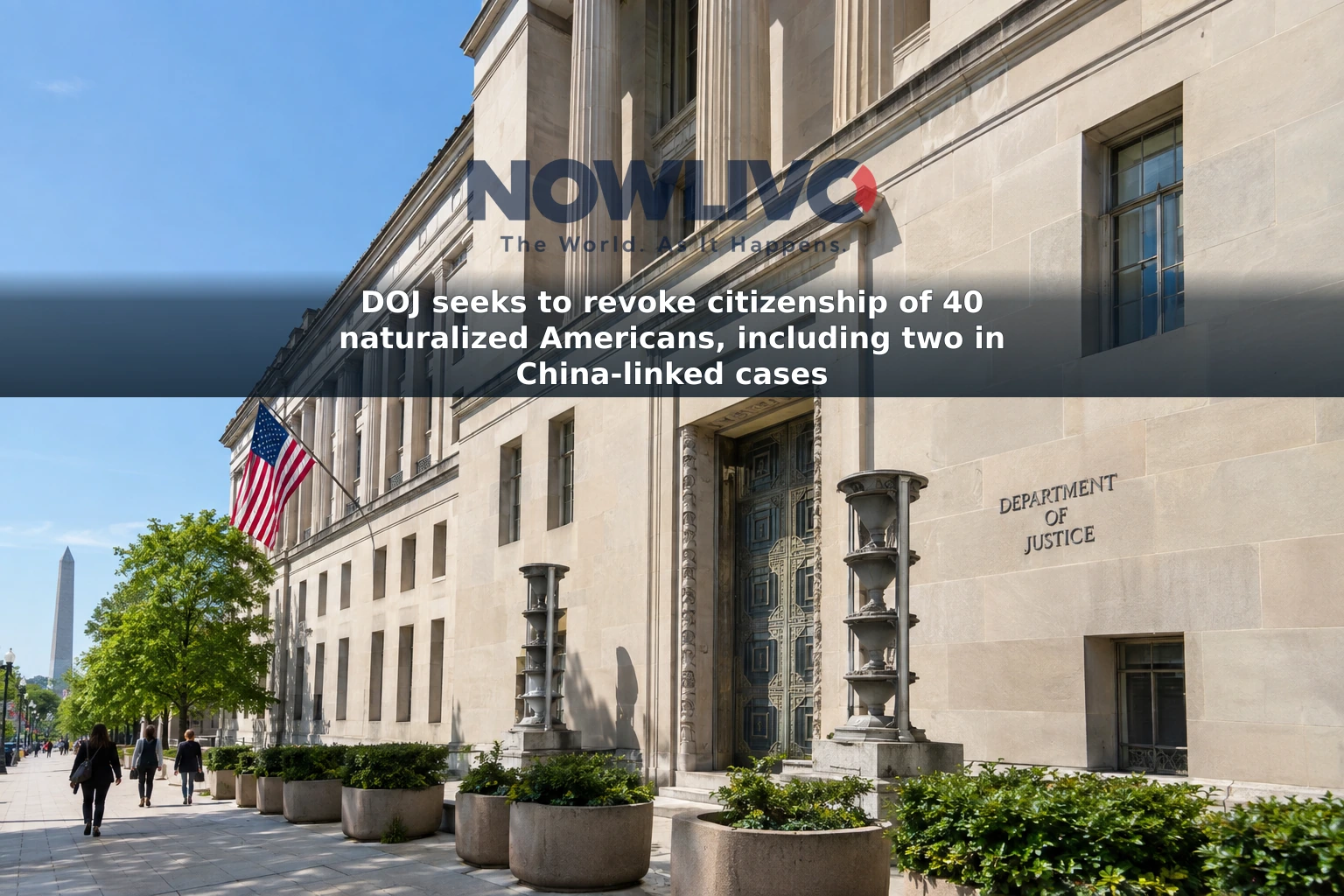
The Justice Department is asking federal courts to revoke the U.S. citizenship of 40 naturalized Americans in lawsuits filed between August 21 and October 2, 2026. Announcing the cases on October 5, the department described them as its largest group of denaturalization complaints filed in a single period under the Trump administration. The 40 people have not lost their citizenship as a result of the filings; judges must decide the civil cases.
Two of the people named are China-born men convicted in separate cases involving the Chinese government: former Navy sailor Jinchao Wei and Florida resident Ping Li. The other complaints span allegations involving concealed criminal conduct, false identities and misrepresentations in immigration proceedings.
What are the cases against Jinchao Wei and Ping Li?
Prosecutors filed a denaturalization lawsuit against Wei in the Southern District of California on September 30. Wei became a U.S. citizen in May 2022 through a provision for military service members. A federal jury convicted him in August 2025 of espionage and export-related offenses involving Navy information supplied to a Chinese intelligence officer. He was sentenced on January 12, 2026, to 200 months in prison.
The new civil complaint alleges that Wei concealed conduct that made him ineligible for naturalization and raises a separate issue concerning his military service. An important distinction remains: the jury that convicted Wei of espionage found him not guilty of a criminal naturalization-fraud charge. The government must establish the grounds for its new civil claim in court.
The department filed its lawsuit against Li in the Middle District of Florida on October 1. Li pleaded guilty to conspiring to act as an agent of the Chinese government without notifying the U.S. attorney general. He was sentenced in November 2024 to four years in prison. According to the Justice Department, his work with Chinese intelligence officers began before he obtained U.S. citizenship. The civil lawsuit seeks to revoke that citizenship; his criminal conviction did not automatically do so.
Why is the Justice Department seeking to revoke citizenship?
Denaturalization is a legal process for revoking citizenship granted through naturalization. Federal law permits the government to bring a case when it alleges that citizenship was obtained illegally or through the concealment of a material fact or a willful misrepresentation. A criminal conviction by itself does not mean a naturalized citizen loses citizenship: the government must show a legally sufficient connection to the person’s eligibility for naturalization or another applicable ground.
The department’s October 5 announcement describes cases involving alleged marriage and identity fraud, undisclosed offenses and other conduct it says affected naturalization decisions. Some people named in the announcement have prior criminal convictions, but the claims in the denaturalization lawsuits remain allegations. The department says there has been no determination of liability in those civil cases.
The scale of the push is notable. In an August 2026 announcement, the Justice Department said it had filed 123 civil denaturalization complaints since January 20, 2025. A June analysis by Syracuse University’s Transactional Records Access Clearinghouse documented a sharp rise in filings during May and early June 2026 compared with the historically low monthly rate it recorded. Those figures describe cases filed, not citizenships revoked.
What happens next?
Each lawsuit proceeds in a federal district court, where the government must prove its claim and the defendant can contest it. The October announcement does not establish that all 40 people committed fraud in obtaining citizenship, nor does it mean all 40 will be denaturalized.
The distinction matters especially in Wei’s case: prosecutors are pursuing civil denaturalization after a jury rejected the criminal naturalization-fraud charge against him. Whether the government can prevail on the grounds alleged in that lawsuit, and in the other 39 cases, remains for the courts to decide.