Pakistan Emergency Rule: Zardari Suspends Imran Khan’s Party Government in Khyber Pakhtunkhwa
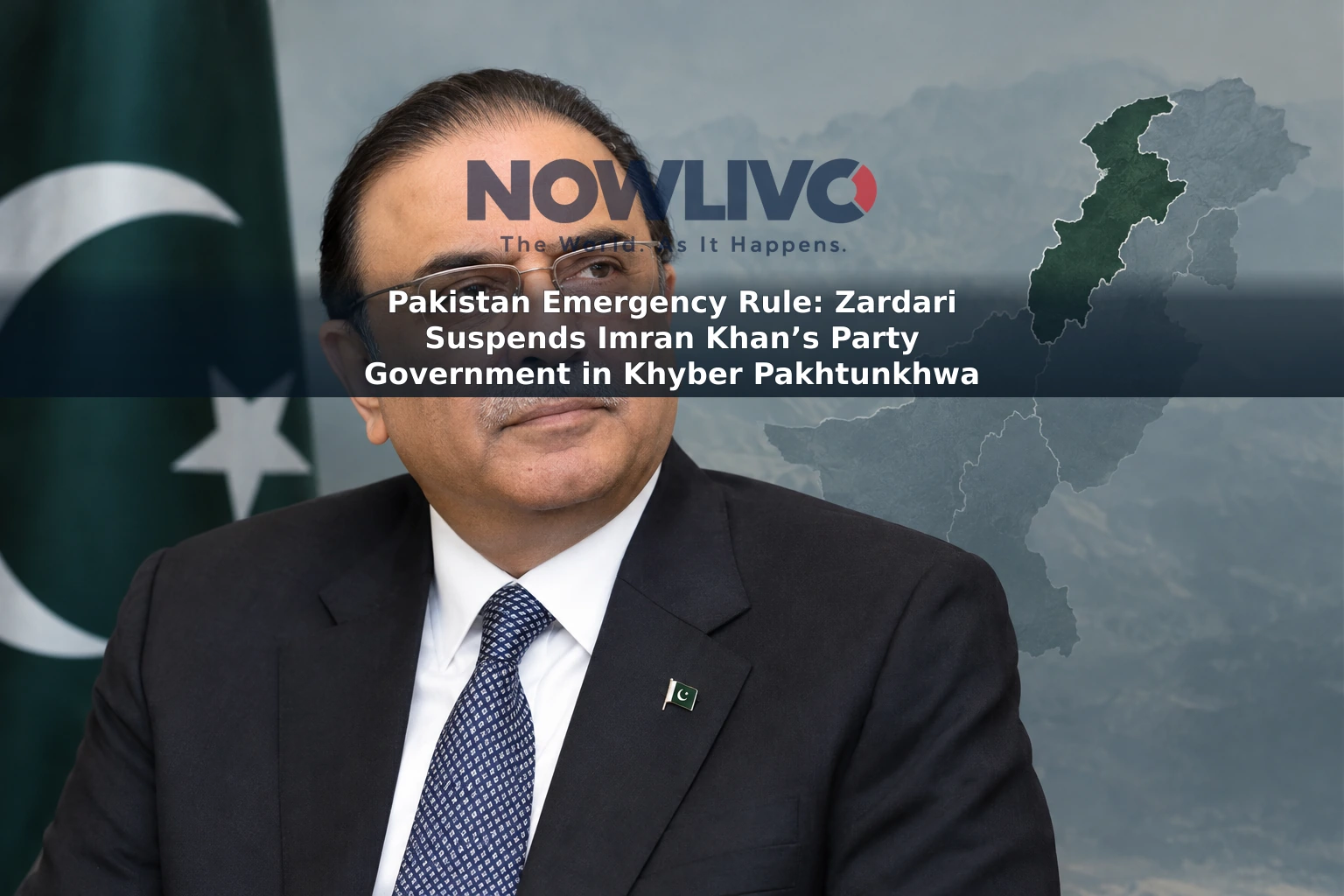
Pakistan President Asif Ali Zardari imposed emergency and governor’s rule in Khyber Pakhtunkhwa on October 11, 2026, suspending the provincial government led by former Prime Minister Imran Khan’s Pakistan Tehreek-e-Insaf (PTI) party. The emergency applies to the northwestern province, not the whole country. The federal government says the move is needed to address worsening security; PTI rejects its allegations and condemns the takeover.
What changed in Khyber Pakhtunkhwa?
Zardari approved the measures on the advice of Prime Minister Shehbaz Sharif after a federal cabinet decision. The government invoked Articles 232 and 234 of Pakistan’s Constitution, which provide for an emergency and for federal intervention when a provincial government cannot be carried on in accordance with the Constitution.
The proclamation removes executive authority from the PTI-led provincial administration previously headed by Chief Minister Sohail Afridi. Governor Faisal Karim Kundi is to run provincial affairs with an 11-member advisory council, according to Law Minister Azam Nazeer Tarar. Tarar said the arrangement would initially last six months.
This is a transfer of authority over Khyber Pakhtunkhwa’s provincial government. It is not an announcement that emergency rule has been imposed nationwide.
Why did Pakistan’s federal government impose emergency rule?
Sharif’s office accused the provincial government of disengaging from efforts to fight terrorism. Federal ministers also cited militant violence, poor coordination on security and the breakdown of talks with provincial leaders. Khyber Pakhtunkhwa borders Afghanistan and has faced attacks on civilians and security personnel.
Those claims are contested. PTI denies failing to confront militancy and says Islamabad has not provided the funding and equipment the province needs. The party has also disputed federal accounts of its role in security decisions. The emergency therefore comes amid both a serious security dispute and a wider political confrontation between Sharif’s government and Khan’s party.
How does Imran Khan’s planned march fit in?
The decision followed days of mobilisation by PTI supporters seeking Khan’s release from prison. A march through Khyber Pakhtunkhwa began on October 4, with supporters intending to head toward Islamabad. Khan has been imprisoned since 2023 and denies wrongdoing in the cases against him.
PTI representatives say the emergency is a political move against an elected opposition government and the protest campaign. The federal government maintains that its decision is about security and the province’s ability to govern. Other opposition figures have criticised the suspension of provincial rule, while PTI has said it will consider challenging the decision through the courts and political institutions.
What happens next?
The immediate change is who exercises provincial executive authority: the governor and advisory council are taking over functions previously held by the elected PTI administration. The government has also announced plans to deploy troops to assist with security in Khyber Pakhtunkhwa.
Political and legal challenges could follow. For now, the confirmed scope of Zardari’s October 11 order remains Khyber Pakhtunkhwa. Describing it simply as “emergency rule in Pakistan” misses the central distinction: the federal government has taken control of one opposition-governed province, not declared a countrywide emergency.