North Korea Threatens Border Broadcasts and More Weapons Amid Tensions
A new warning from Pyongyang
North Korea has threatened to restart propaganda loudspeaker broadcasts and deploy additional weapons near its border with South Korea, the Associated Press reported on October 19. The warning follows months of disputes over border incidents and a September explosion that injured South Korean soldiers. Seoul has attributed that blast to North Korean mines; Pyongyang denies responsibility. These competing claims are central to understanding the latest threat. A warning about future deployments should not be reported as confirmation that the threatened steps have already taken place.
Kim Yo Jong, the sister of North Korean leader Kim Jong Un, accused South Korea of repeated provocations and described the situation as having crossed a serious threshold. Her comments signal heightened rhetoric, but their practical meaning depends on what military units actually do. The border is already heavily fortified and subject to close monitoring. Additional loudspeakers or tactical systems could increase the chance of confrontation, especially if both sides interpret routine patrols as deliberate challenges.
Why loudspeakers matter
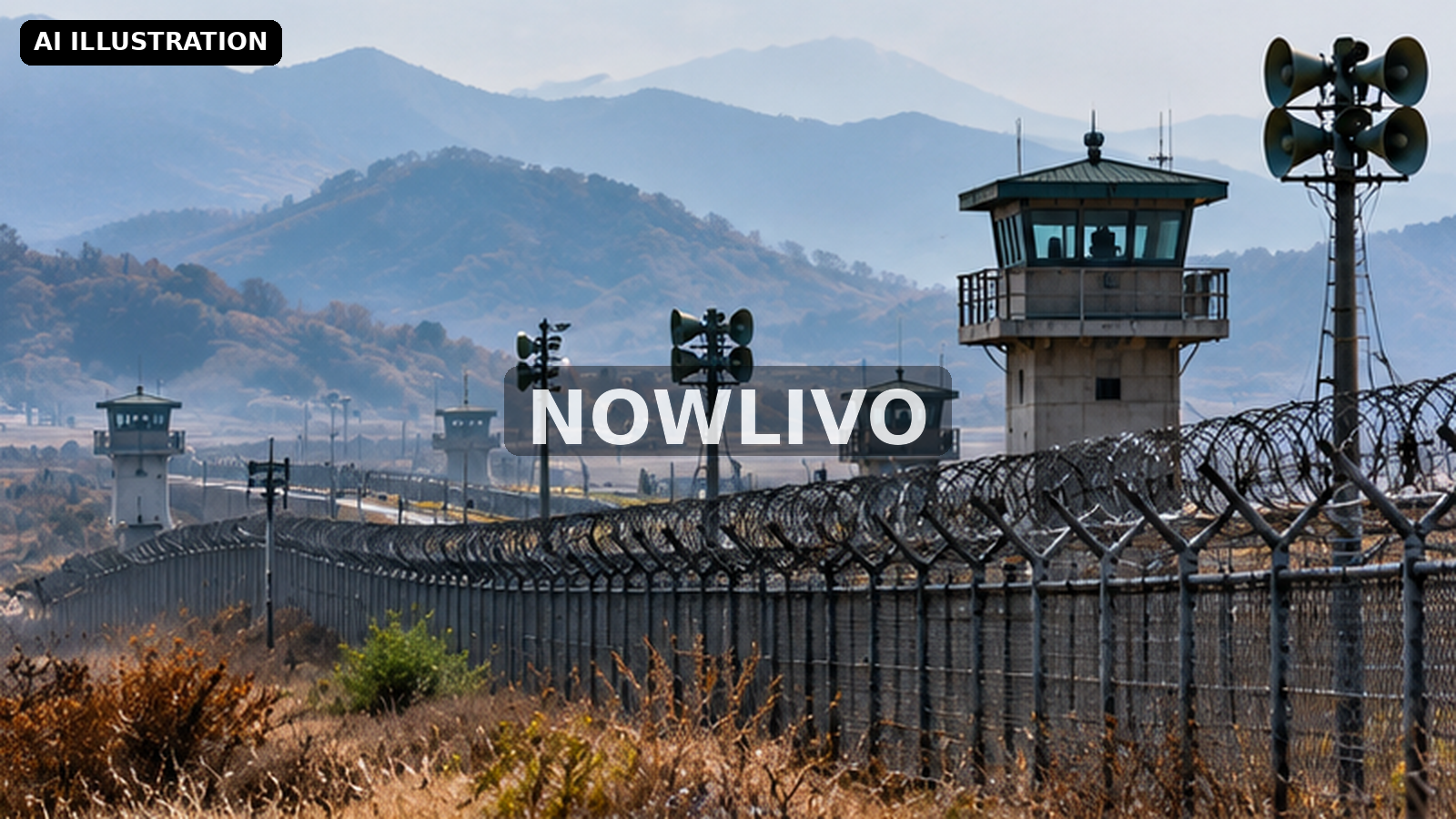
Propaganda broadcasts may seem less dramatic than missile tests, but they have a long history as tools of psychological pressure on the Korean Peninsula. Loudspeakers can transmit political messages, music and criticism across the border. Their use has repeatedly provoked complaints and countermeasures because the sound can reach troops and nearby communities. Restarting them would be symbolically significant even without an exchange of fire. It would also mark a setback for efforts to reduce small but persistent sources of friction.
South Korea’s current government had sought to lower tensions by halting certain broadcasts, according to the AP report. The new threat shows how quickly confidence-building measures can unravel when each side believes the other is acting provocatively. A policy of restraint can be difficult to maintain after injuries or accusations involving border forces. Nevertheless, statements from either government need to be checked against observable actions. A claim of provocation is not proof that the other side intentionally caused a particular incident.
The military and diplomatic context
The two Koreas remain technically at war under an armistice rather than a final peace treaty. The demilitarized zone is heavily guarded, and even minor events can acquire national significance. North Korea has also pursued weapons development while seeking leverage in discussions involving the United States. South Korea must balance deterrence with the need to avoid an accidental clash. These structural pressures explain why a loudspeaker warning can become a headline far beyond the immediate border area.
External governments will be watching for actual troop movements, weapons deployments and communications between military authorities. The United States has security commitments to South Korea, but a public statement by Pyongyang does not automatically trigger any particular response. Diplomatic options remain relevant even when rhetoric is sharp. Both sides may use language designed for domestic audiences as well as foreign governments. News coverage should distinguish those political signals from verified changes in military activity.
The next concrete indicators
Useful updates would include confirmation that broadcasts resumed, the location and type of any new equipment, official reports of border incidents and responses from Seoul. Independent verification can be difficult near restricted military areas, so responsible reporting should make clear which claims come from which government. Speculation about imminent war or a planned attack would go beyond the information available from the October 19 warning. The risk of miscalculation is real, but its probability cannot be inferred from a single statement.
For people living near the border, practical consequences may include noise, movement restrictions and heightened anxiety. For regional diplomacy, the question is whether the latest exchange closes channels for de-escalation or prompts new efforts to manage incidents. The story is therefore about a threatened change in posture and the fragile condition of relations, not a confirmed outbreak of hostilities. Clear chronology and careful attribution remain more useful than dramatic predictions.
Further context and unresolved questions
Border incidents on the Korean Peninsula are difficult to interpret because access is restricted and each side may provide a different account. An explosion that injures soldiers is an established event if reported by the authorities involved, but identifying who planted a device or ordered an action requires evidence. North Korea’s denial and South Korea’s accusation should both be attributed, not silently reconciled into a single unverified narrative. The same principle applies to reports of warning shots and incursions. Military authorities may have radar, surveillance or patrol records that are not publicly released, limiting independent assessment. Responsible coverage can explain the seriousness of the claims while acknowledging that outsiders may not be able to confirm every detail.
Loudspeaker propaganda is particularly prone to cycles of retaliation. One side resumes broadcasts, the other responds with noise or threats, and each portrays its actions as defensive. Such exchanges can intensify tension without necessarily reflecting a decision to fight a larger war. De-escalation mechanisms, including military hotlines and agreed procedures for handling border incidents, can reduce the risk of misunderstanding when they are functioning. The October 19 warning is significant because it suggests those restraints are under pressure. What happens next will be determined by actual deployments and diplomatic decisions, not the intensity of a single statement. Readers should monitor confirmed changes while remaining sceptical of social-media claims about sudden troop movements or attacks that lack credible evidence.
Additional perspective
Communities close to the border may also experience disruptions that receive little international coverage. Loudspeaker noise, restrictions on agricultural access and heightened security checks can affect daily routines even when no shots are fired. Those consequences help explain why seemingly symbolic measures matter. Reporting on local impact should rely on attributable accounts rather than assuming every border resident has the same experience.