Trump Endorses Netanyahu Before Israeli Election Amid Regional Tensions
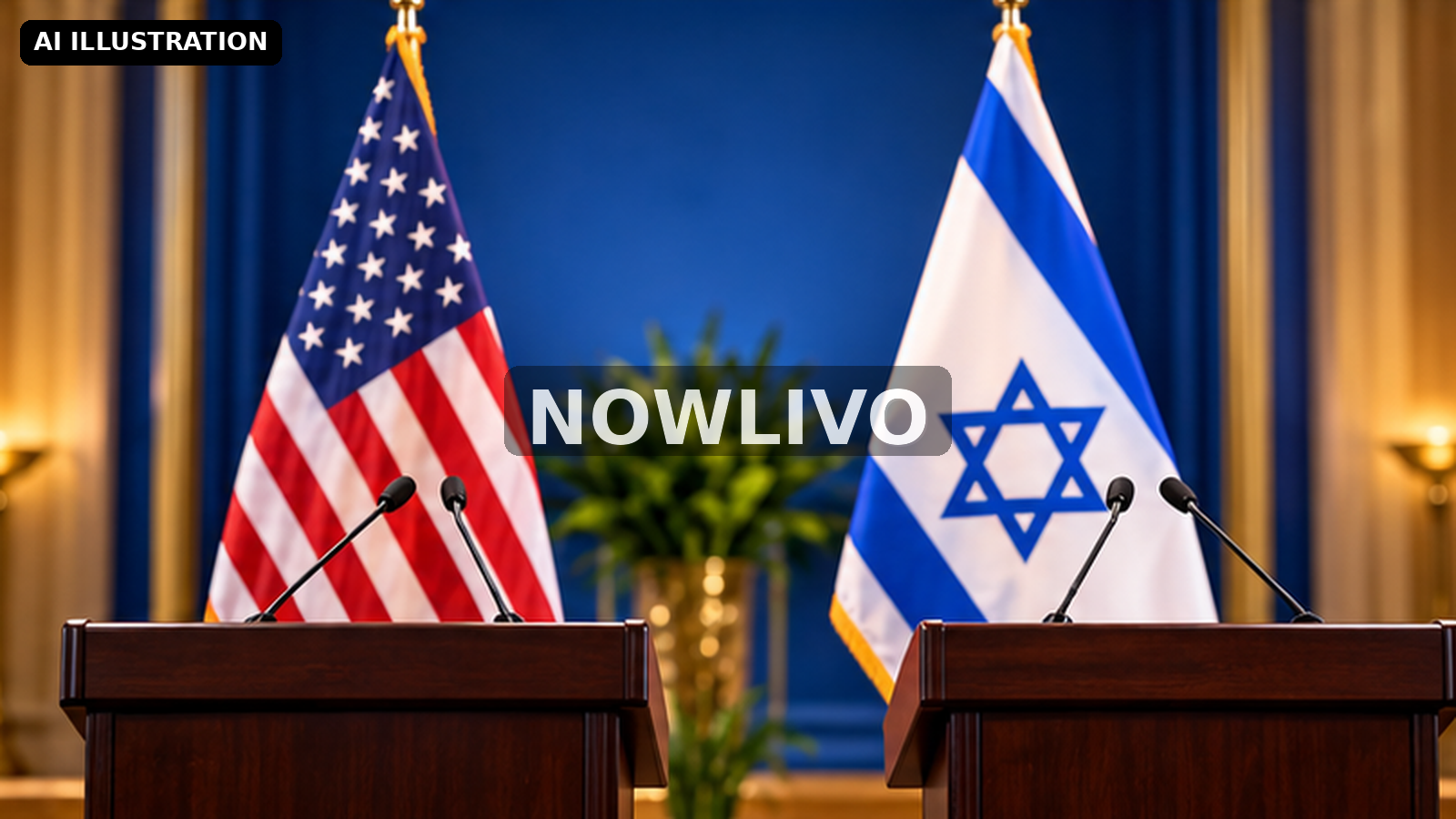
An unusual public endorsement
US President Donald Trump has endorsed Israeli Prime Minister Benjamin Netanyahu ahead of Israel’s October 27 parliamentary election, Reuters reported following the announcement on October 18. Trump praised Netanyahu’s leadership during a period of regional conflict. The endorsement is a clear political statement by an American president about another country’s election, but it does not determine how Israeli voters will respond. Domestic economic conditions, security concerns and coalition politics remain central to the contest, and the eventual result cannot be inferred from one foreign leader’s support.
The timing matters because Israel’s campaign is unfolding amid continuing tension involving Iran, Gaza and Lebanon. Trump and Netanyahu have been close allies at various points, though their relationship has also featured disagreements about strategy and the pace of diplomacy. The endorsement signals renewed public alignment. It should not be read as proof that the two governments have resolved every policy difference or agreed on a single approach to all regional conflicts.
Why foreign endorsements attract attention
When a US president publicly backs a candidate abroad, the statement can be interpreted as an expression of preferred diplomatic partnership. Supporters may see it as evidence that a familiar relationship would make coordination easier. Critics may question whether an outside leader should seek to influence another country’s domestic politics. Both perspectives are part of the public debate. The measurable effect on voters is much harder to establish, particularly when many other issues shape their choices.
Foreign endorsements can also complicate relations with other political parties in the country concerned. An administration must work with whoever legally forms the next government, even if it expressed a preference during the campaign. Diplomatic continuity often depends on institutions and shared interests rather than personal chemistry alone. That is why the endorsement should be covered as a significant statement without turning it into a forecast or implying that future bilateral policy is already fixed.
The regional security context
Israel’s relations with the United States are closely connected to military cooperation, intelligence, regional diplomacy and economic ties. The conflict environment has increased the stakes of decisions about deterrence, humanitarian conditions and negotiations. Netanyahu’s supporters and opponents differ over how his leadership has managed those pressures. Trump’s endorsement adds an international voice to the debate, but it does not settle the arguments about security strategy, accountability or the consequences of war.
Voters may consider the prime minister’s record, the proposals of competing parties and the coalition arrangements likely to be needed after the election. In parliamentary systems, the largest individual party does not necessarily govern alone. Negotiations among parties can be decisive after votes are counted. Coverage that focuses only on the endorsement risks overlooking that institutional reality. The appropriate question is what each political actor has said and done, not which outcome a commentator thinks the statement will produce.
What remains uncertain
The impact of the endorsement cannot be measured simply by the volume of media attention it receives. Polls may record attitudes at a given moment, but the final outcome will depend on actual voting and coalition formation. Trump’s words are attributable to him; any claim about why individual Israeli voters will act is speculative unless supported by evidence. Netanyahu’s response also reflects his political interests and should be read in that context.
The next concrete developments will be campaign statements, official voting procedures, the October 27 election and the negotiations that follow. The October 18 endorsement is notable for its diplomatic symbolism and its timing during a tense regional period. It is not a substitute for understanding Israeli domestic politics. Readers benefit most from a clear account of the endorsement, the historical relationship and the limits of what can reasonably be concluded before voters make their choices.
Further context and unresolved questions
Israel’s electoral system adds a layer that outside observers sometimes overlook. Voters choose party lists, and governing coalitions are assembled through negotiations among elected representatives. A foreign leader’s endorsement of a prime minister is therefore not a direct endorsement of every prospective coalition partner or legislative programme. Even if the backed party performs strongly, the final governing arrangement can depend on smaller parties with distinct priorities. Reporting should explain that institutional process rather than describe the election as a simple two-person contest. Security policy, the economy and public trust in leadership are all subjects of domestic debate. The endorsement may become a campaign talking point, but it does not replace the decisions Israeli voters and parties will make.
The statement also has implications for US diplomacy after the election. Washington must maintain working relationships with Israeli institutions regardless of the eventual coalition, and American officials have interests that extend beyond any individual politician. Trump’s support may be welcomed by Netanyahu’s allies while drawing criticism from opponents who dislike foreign involvement. Those reactions are political opinions and should be attributed as such. The fact of the endorsement is clear; its electoral effect is uncertain. Subsequent coverage should track whether the two leaders announce specific policy commitments and whether any official bilateral decisions follow. Until then, it is most accurate to treat the announcement as a notable intervention in the campaign conversation, not evidence of a predetermined outcome.
Additional perspective
It is also worth separating the personal language of an endorsement from formal government policy. A leader may praise an ally during a campaign while agencies continue negotiations on issues where interests diverge. Changes to aid, security cooperation or diplomatic agreements would require separate official actions. The October announcement should not be used to infer commitments that were never specified.