Serbia’s Student-Backed Opposition Wins as Vučić Concedes Parliamentary Defeat
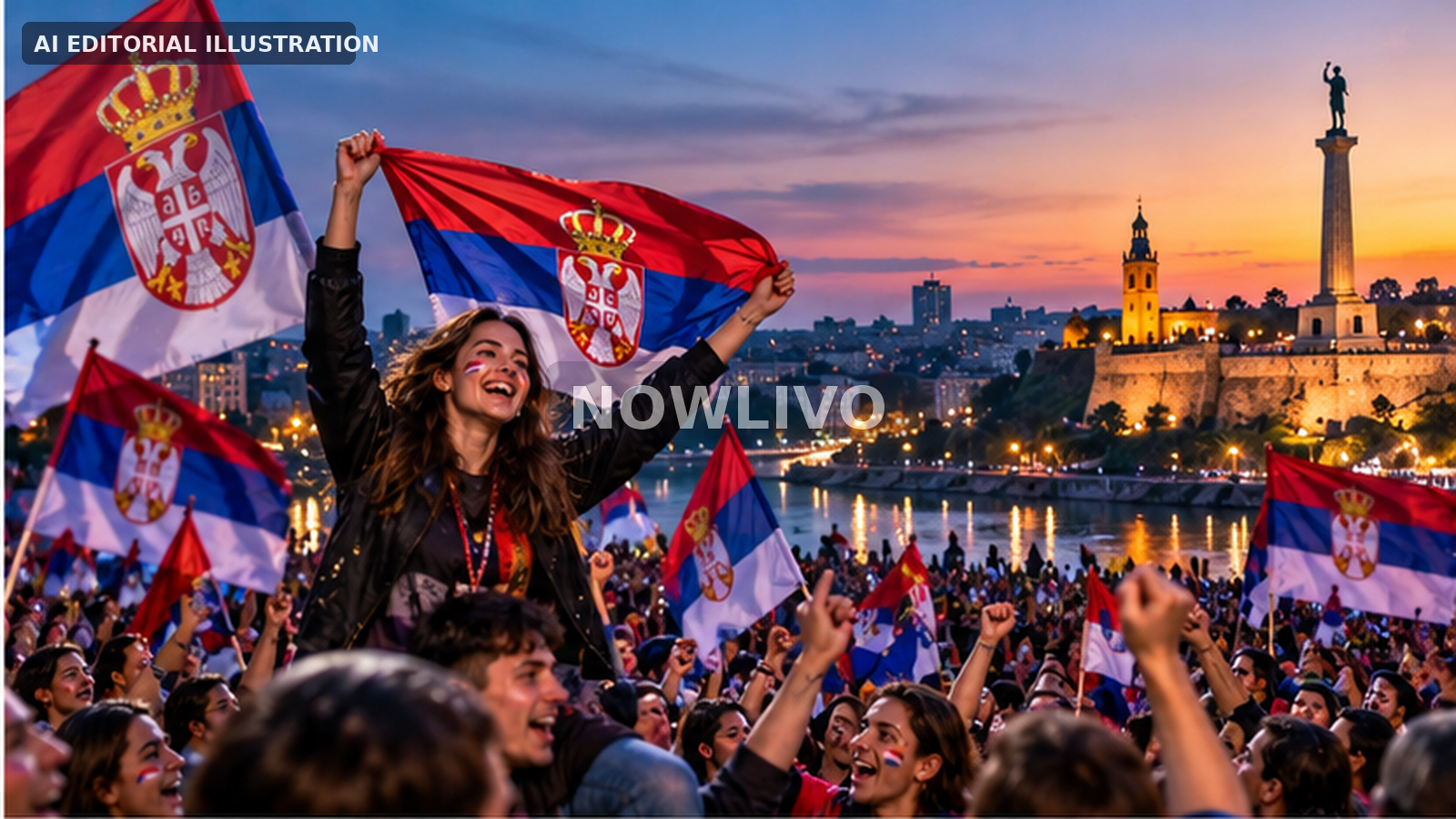
Serbia’s student-backed opposition movement achieved a major electoral breakthrough on Sunday, October 25, after Aleksandar Vučić conceded defeat in a parliamentary vote that could end more than a decade of dominance by his Serbian Progressive Party. The Students’ List, which emerged from sustained protests over corruption and public accountability, was projected to win a parliamentary majority. The result represents a material change from months of street demonstrations: a movement that challenged the government outside parliament now appears poised to shape the next government from inside it.
Vučić acknowledged the opposition’s victory at his party’s election-night gathering. According to AP reporting, his party’s projections placed the Students’ List at roughly 135 to 140 seats in the 250-member parliament, with the Serbian Progressive Party around 105. Those were projections reported during the count, not a substitute for final certified seat allocations. The concession nevertheless gave the result immediate political weight and prompted celebrations in Belgrade and other cities.
From protests to a national election win
The opposition movement grew after a concrete canopy collapsed at a railway station in Novi Sad in 2024, killing 16 people. The disaster triggered protests and allegations of corruption and poor oversight in public works. Students became prominent organisers, bringing together people frustrated by the handling of the tragedy and by wider concerns about institutions, media and accountability. Over time, demonstrations evolved into a broader political challenge to the country’s leadership.
The election was a test of whether that mobilisation could translate into votes across Serbia, including outside major cities. The Students’ List presented itself as a vehicle for political change and institutional reform. Its reported success suggests that the movement reached beyond the original protest networks. Still, an election victory does not automatically resolve the grievances that produced the campaign. It creates the possibility of reform and the responsibility to deliver it through lawful government.
What Vučić said and why the concession matters
Vučić blamed independent media and alleged outside interference for his party’s loss, according to the AP account. Those claims are political assertions and should not be treated as established explanations for the result without supporting evidence. His concession, however, is significant because it publicly acknowledged that the opposition had won. Serbia has experienced years of disputes over the fairness of political competition, so the reaction of the outgoing leadership is a central part of the story.
The next steps involve the formal vote count, the certification process and the formation of a government. A projected majority would give the Students’ List a stronger negotiating position, but the precise distribution of seats and any coalition arrangements still matter. Supporters celebrating in the streets may see the result as a decisive break with the past. Institutions will still have to manage a transition in which the defeated party retains a substantial base of voters.
A deeply divided electorate
Vučić and his party have maintained support among voters who value stability and view him as a capable leader during regional and global uncertainty. Critics accuse his governments of concentrating power, weakening independent institutions and failing to address corruption. The election result shows that the balance has shifted, but it does not erase the concerns of those who voted for the outgoing party. The new leadership will need to demonstrate that political change can occur without simply reversing who controls the state.
The campaign also unfolded amid reports of tension and irregularities. AP described concerns about voter intimidation and attempted vote buying, as well as isolated clashes around the election. Such reports require proper investigation and should not be expanded into unsupported claims about the entire vote. Electoral authorities and monitors will play a role in clarifying what occurred, while the concession has already made the broad political outcome difficult to ignore.
What reformers may seek first
Student activists and their allies have repeatedly focused on corruption, public procurement, the independence of institutions and the safety of people who protest. Turning those goals into legislation and administrative changes will be more complicated than organising demonstrations. Reform can involve investigations, new transparency rules, appointments and changes in how public contracts are reviewed. Each step may face legal limits and political resistance, especially where established interests are affected.
A student-backed list also brings together people who may not agree on every economic or foreign-policy question. Unity against an incumbent does not guarantee agreement about taxes, public spending or Serbia’s relations with neighbours. The quality of the transition will depend on whether the movement can maintain a workable programme and build trust among citizens who did not support it. That challenge begins once election-night celebrations end.
Serbia’s relationship with Europe
The result has attracted attention across Europe because Serbia’s domestic institutions and political direction are closely watched by the European Union. A government promising stronger rule of law and independent oversight could alter the tone of Serbia’s relations with European partners. But no election result alone changes the country’s membership status or completes required reforms. Those outcomes depend on sustained policy choices, institutional performance and negotiations over time.
For now, the central news is the scale of the political change. A movement rooted in student demonstrations has secured an apparent parliamentary victory, and Vučić has conceded. The next verified milestones will be final seat figures, the formation of a government and the first concrete steps toward the reforms promised during the campaign. Serbia’s voters have changed the direction of the contest; the durability of that change remains to be tested.