María Corina Machado Returns to Venezuela After Months Abroad, Reviving Election Demands
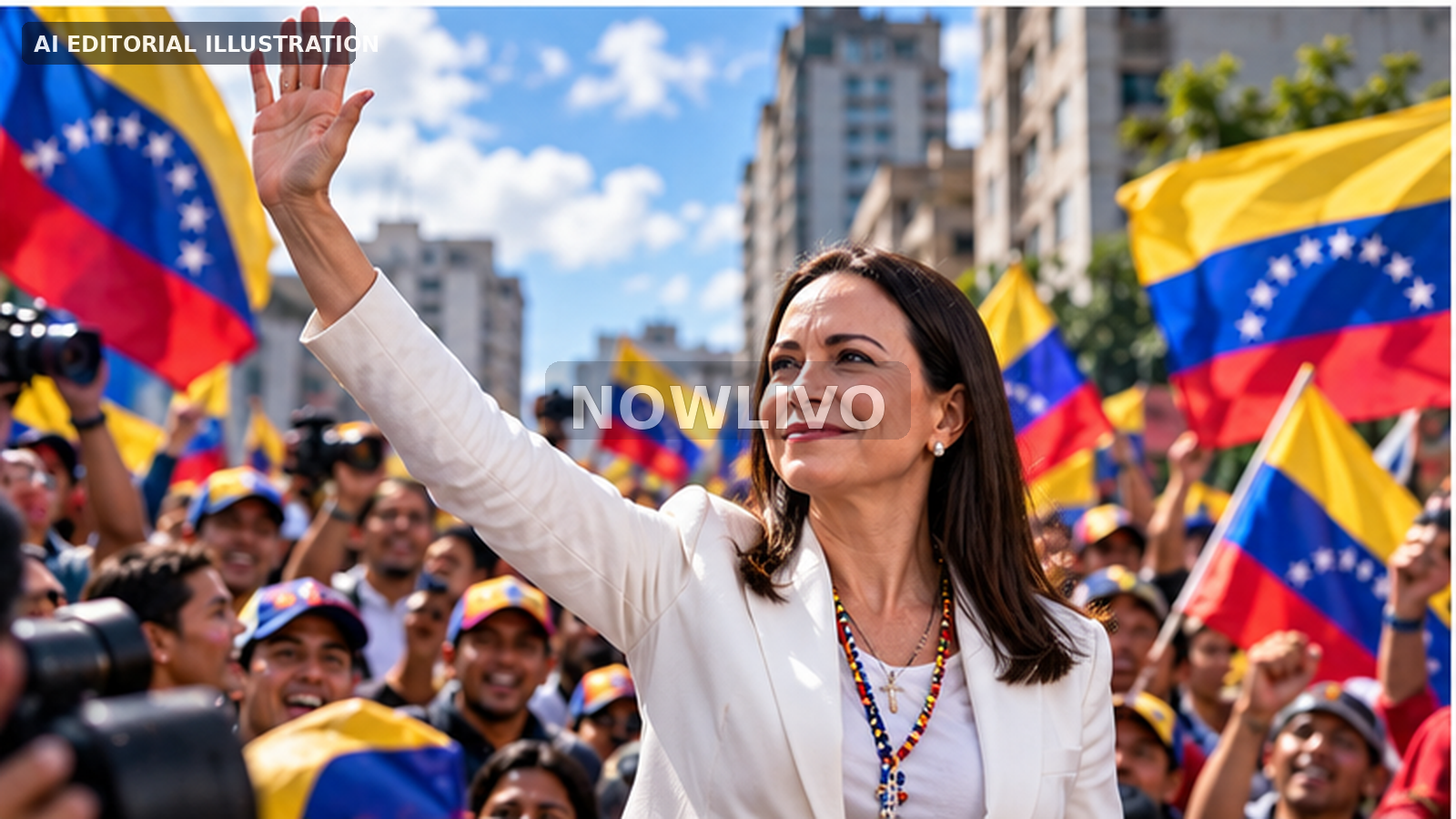
Venezuelan opposition leader María Corina Machado returned to her country on Sunday, October 25, after nearly a year abroad, drawing supporters and renewing demands for a credible presidential election. Her arrival is a significant development in Venezuela’s unsettled political transition because she had spent months outside the country while the authorities and the United States negotiated the next phase of governance. Reuters reported that Machado travelled from Panama through Colombia before entering Venezuela overland and moving toward Caracas.
The return was welcomed by crowds along her route and by supporters who regard Machado as a leading figure in the opposition movement. Her presence inside Venezuela changes the practical and symbolic balance of the political debate, but it does not mean that an election has been scheduled or that the government has accepted her demands. The country remains under acting President Delcy Rodríguez, and questions about the timetable for a national vote and the treatment of opposition groups are unresolved.
Why Machado’s arrival matters now
Machado left Venezuela during a period of intense political pressure and spent much of the following year abroad. Her return follows the US operation in January that removed Nicolás Maduro from power, an event that radically changed Venezuela’s leadership but did not produce an immediate election. The interim government has continued to operate while Washington has pursued discussions on economic stability, political reconciliation and the country’s oil sector. Opposition figures argue that a durable transition requires voters to choose their government through a credible process.
Machado’s movement has challenged the legitimacy of the disputed 2024 presidential election and supports the opposition claim that Edmundo González won that contest. Those claims remain part of the political dispute; they should not be collapsed into a statement that all parties accept the same result. Her return gives supporters a prominent figure around whom to organise, but legal guarantees, institutional arrangements and an agreed election timetable are still missing from the public record.
The journey and the diplomatic backdrop
Reuters reported that Machado crossed into Venezuela after travelling through neighbouring countries. A source described coordination involving US, Panamanian and Colombian officials, and said President Donald Trump had approved the return. Trump, however, publicly said he did not know about it. Those accounts should be kept separate: an anonymous source’s description of coordination is not the same as a public confirmation by the president. The disagreement illustrates how sensitive the political arrangements surrounding her safety remain.
US Secretary of State Marco Rubio linked Machado’s safe return to reconciliation discussions that have allowed some political prisoners and exiles to return. Reuters noted that those talks involved the interim authorities and part of the opposition but did not include Machado’s own movement. That distinction is important. A person may benefit from a broader political opening without having participated in the negotiations that produced it. The scope and durability of any guarantees will become clearer only as events unfold.
What supporters want from the transition
Machado has called for free and fair elections and intends to meet political activists, families of prisoners and others affected by the country’s turmoil. Supporters see the homecoming as a sign that opposition organising can again take place openly. But the presence of a popular leader is not itself a guarantee of equal campaign conditions. Questions about voter registration, the independence of electoral bodies, media access and political prisoners would all need attention before a national vote could be considered broadly credible.
Her movement has also launched an application intended to collect voter-registration information from Venezuelans abroad, according to Reuters. That reflects the scale of the diaspora and the importance of participation by people who left during years of crisis. The usefulness of any such initiative will depend on how official election rules treat overseas voters and on data protection. A privately organised registration tool cannot replace the legal procedures required for an official ballot.
Washington’s complicated position
The Trump administration has supported the interim government while pursuing economic arrangements, particularly in the oil sector. That approach has created tension with opposition figures who want a faster route to elections. US officials may view economic stabilisation and institutional negotiations as prerequisites for a sustainable vote; critics worry that delaying elections could entrench unelected leadership. These are competing policy positions rather than settled outcomes, and the precise conditions for a transition remain contested.
Machado’s return could increase pressure on both Washington and Caracas to explain what political reconciliation is intended to achieve. If the government permits her to travel and organise without interference, that would be an important practical signal. If restrictions emerge, they would raise fresh questions about the opening. Neither scenario should be presumed from the first day of her arrival. The public record so far establishes the return and the political demands it has revived.
What remains uncertain
Venezuela’s immediate future depends on decisions that have not yet been announced: when an election might occur, which candidates can compete, what independent observation will be permitted and how the government will handle opposition activity. Machado’s supporters have celebrated her return, but a crowd’s enthusiasm cannot answer those institutional questions. Similarly, economic deals and diplomatic statements cannot substitute for a published political timetable.
The next meaningful developments will be meetings with political groups, any formal response from the interim authorities and concrete movement toward an election framework. Machado is back in Venezuela after months abroad, a clear and newsworthy change. Whether that return helps produce a credible democratic contest will depend on actions taken after the homecoming rather than the symbolism of the journey alone.