Trump Returns to South Carolina as Graham–Andrews Senate Race Tightens Before Midterms
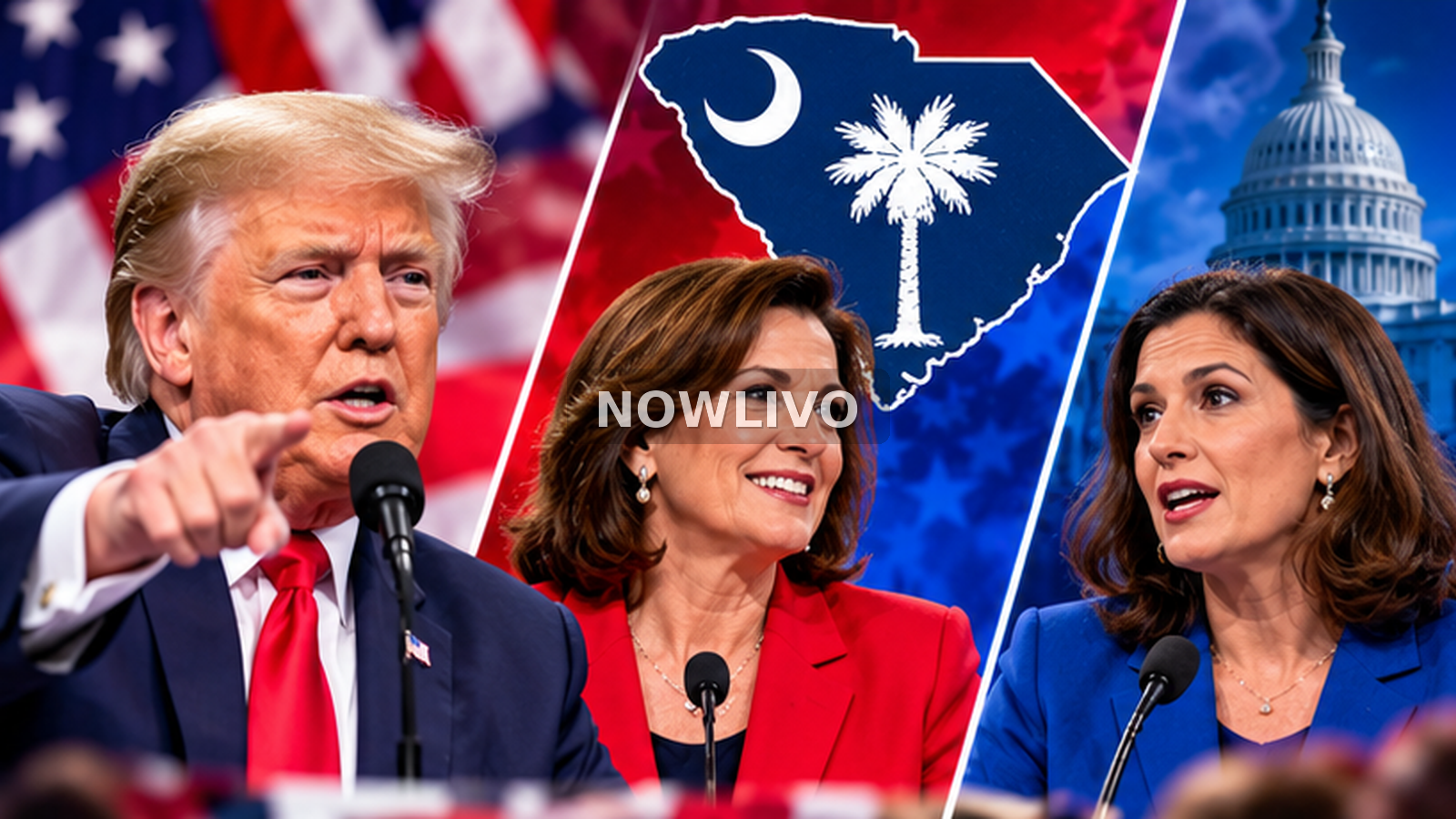
South Carolina has become an unexpected focus of the closing days of the US midterm campaign. President Donald Trump was due to return to the state on Thursday, October 29, as new polling suggested that Republican Senator Darline Graham and Democratic challenger Annie Andrews were locked in a close contest. Reuters described the race as a toss-up, a striking change for a state long considered reliable Republican territory in Senate elections. The development is significant because national campaign resources are being redirected toward defending a seat that Republicans once expected to hold comfortably.
The election is scheduled for November 3. Polls can show a race tightening without predicting its final outcome, and the available reporting does not establish who will win. A toss-up rating describes uncertainty rather than a statistical tie in actual votes. Early ballots, turnout on election day and the performance of local campaigns will determine the result, not the label attached to the race several days beforehand.
Why this seat has an unusual political history
The contest follows the death in July of longtime Republican Senator Lindsey Graham, whose sister Darline Graham is now defending the seat. Lindsey Graham was a prominent voice on foreign policy and a close ally of Trump. The family connection gives the contest unusual visibility, but the two candidates still have to persuade voters on their own records, policies and campaign performances. A famous surname may attract attention without guaranteeing an electoral majority.
South Carolina has not elected a Democrat to the US Senate since Fritz Hollings, who first won the seat in the 1960s and served until 2005. That history helps explain why a competitive race is drawing national attention. It also shows why the campaign is not simply a routine local contest: a Democratic victory would mark a major political change in a state where Republicans have enjoyed a long advantage in Senate races.
Andrews has received support from figures who do not usually share a party label. Reuters reported that former Republican governor David Beasley and former Democratic governor Jim Hodges endorsed her in a television advertisement. Those endorsements may help a candidate present a broader coalition, but they are not evidence that Republican voters as a whole have switched sides. Former governor Nikki Haley, another prominent Republican figure, had not endorsed either candidate at the time of the report.
Why Trump is returning to the state
Trump’s visit was expected to be his second South Carolina campaign appearance in two weeks. A president’s decision to spend time in a supposedly safe state can be read as a sign of concern within the party, although rallies also serve fundraising, media and voter-mobilisation purposes. Reuters reported that Republican strategists were increasingly worried about the race and the need to defend other traditionally conservative states.
Graham has responded to criticism of her campaign style by arguing that she is not a conventional career politician. Her team has emphasised support from voters and Trump rather than relying solely on endorsements from established political figures. Andrews, meanwhile, is trying to build on dissatisfaction with the administration and on support from former officials who are willing to cross party lines. Those are competing campaign strategies, not settled explanations of how voters will behave.
The broader map makes the South Carolina contest more consequential. Republicans are also fighting difficult Senate races in states including Alaska, Iowa, Kansas, Texas, Ohio, North Carolina and Maine, according to Reuters. Democrats are considered well positioned to gain House seats, while the Senate remains much less certain. Every additional state Republicans must defend can consume staff time, advertising money and presidential appearances that might otherwise be directed toward competitive Democratic-held seats.
What the contest means for control of Congress
A Senate majority matters because the chamber confirms many executive and judicial appointments, influences legislation and plays a central role in oversight. A change in control would alter how easily the president could advance parts of his agenda. The House and Senate are separate contests, however, and a Democratic gain in one chamber would not automatically mean a gain in the other.
The immediate campaign environment is shaped by cost-of-living concerns and Trump’s approval ratings. Reuters reported that Republican candidates were confronting tougher conditions in several states than expected earlier in the cycle. But national approval ratings are only one input. Local candidate familiarity, state political culture and turnout operations can outweigh national trends in a close race.
There is also a danger in treating a late poll as a final result. Surveys differ in sample, method, turnout assumptions and timing. A few percentage points can change a race rating without revealing whether a campaign’s ground operation is strong. Readers should look for multiple polls and clear methodology rather than rely on a single viral screenshot or partisan claim that the contest has already been decided.
The next meaningful developments will be the content and reception of Trump’s rally, any new credible polling, candidate statements and finally the certified vote count. For now, South Carolina’s emergence as a battleground is a genuine shift in the campaign’s final week. It is not yet an election upset, and neither campaign can claim the seat before voters finish casting ballots.
Sources consulted: Reuters.