Cyclone Arnab Death Toll Reaches Six as Andhra Restores Power After 15,000 Poles Damaged
The official death toll from Cyclone Arnab reached six on Thursday, October 29, as authorities in Andhra Pradesh continued restoring electricity and assessing damage after the storm crossed India’s eastern coast. Reuters reported the new figure from a state government official, along with major damage to the power network. The update marks a material change from the earlier landfall reports that had cited three deaths and focused on immediate evacuation and rescue efforts. It also shifts the story toward the practical problems facing residents after the strongest winds have passed.
There is an important difference between the official figure and some media reports. Reuters said the Times of India, citing local officials, had reported nine deaths associated with electrocution and the collapse of trees or houses. The Andhra Pradesh government figure supplied to Reuters was six. These counts should not be combined or treated as interchangeable. Fatality figures can change as districts complete verification, but the officially confirmed count at the time of the Reuters report was six.
Damage to the electricity network
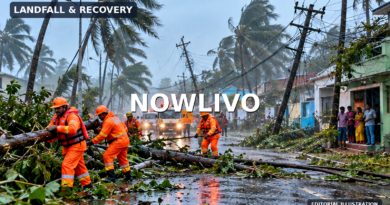
Chief Minister N Chandrababu Naidu said approximately 15,000 electricity poles had been damaged, according to a statement cited by Reuters. The number gives a clearer sense of the recovery challenge than a general report of power cuts. Replacing poles and repairing lines can require crews to work across multiple districts, often while roads remain wet or blocked and weather conditions make electrical work hazardous.
The state said power had been restored in most districts, with Konaseem and West Godavari remaining exceptions at the time of the update. That does not mean every household in the other districts had necessarily regained a reliable connection. A district-level restoration statement can describe the main network even while individual neighbourhoods still await repairs. Residents should follow their local electricity distributor for outage information rather than assume a statewide headline confirms service at a specific address.
Repair work also has a safety dimension. Fallen wires and damaged poles can remain dangerous even after rain eases. People should not approach downed cables, attempt to move electrical equipment or assume a line is harmless because nearby lights are out. Local authorities and utility crews are responsible for isolating and restoring damaged sections of the network. Reporting on the number of poles damaged is useful precisely because it explains why restoration may take longer than the storm itself.
Evacuations and disruption before landfall
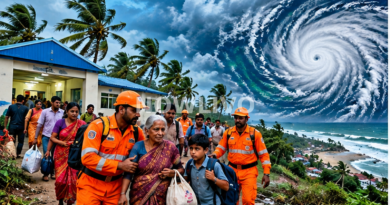
More than 180,000 people were evacuated in Andhra Pradesh and Odisha before Arnab reached the coast, Reuters reported. That large movement of residents was intended to reduce exposure to dangerous winds, flooding and coastal conditions. The evacuation total is a count of people moved to safety, not a count of those injured or left homeless. It should also not be read as evidence that every evacuated household suffered damage.
Some schools were closed and train and flight services were cancelled as the cyclone approached. Those disruptions can continue after the weather begins improving because operators must inspect routes, equipment and infrastructure. A train service may be delayed by a fallen tree or damaged signalling even when conditions at the departure station appear normal. Families should check current school notices and travellers should consult their operators directly for restoration of services.
A Marshall Islands-flagged cargo vessel carrying 20 crew members remained grounded off the Andhra Pradesh coast on Thursday because rough seas prevented its movement, officials told Reuters. The report did not establish that the crew had been injured or that a rescue operation had failed. It is a separate maritime consequence of the cyclone and illustrates why coastal hazards can persist after a system weakens over land.
How the official toll should be understood
Cyclone Arnab was classified by the India Meteorological Department as a very severe cyclonic storm before landfall, according to Reuters. It struck Andhra Pradesh early on Wednesday. Storm categories describe meteorological intensity; they do not determine a final casualty count. The human impact also depends on evacuation, building quality, exposure, warning time and the condition of essential services.
Naidu credited forecasting and preparedness technology with helping the government identify the areas at greatest risk and limit losses. That is the chief minister’s assessment of the response, not a final independent evaluation of every evacuation or relief decision. The confirmed deaths and infrastructure damage still require investigation and recovery work, even if the number of people evacuated indicates a substantial preventive operation.
In the days after a cyclone, early reports can contain gaps. District officials may still be checking injuries, crop losses, housing damage and the cost of repairing public infrastructure. A figure released during active recovery should be labelled with its source and date rather than repeated indefinitely as the final toll. The discrepancy between the official six and the higher media figure is a reason to watch for a reconciled government update, not a reason to choose whichever number sounds more dramatic.
What comes next for affected districts
The immediate priorities are restoring electricity safely, reopening disrupted transport, supporting displaced residents and assessing damage to homes and farmland. The two districts still named as exceptions to widespread power restoration are especially important to monitor. Official notices may also clarify when coastal fishing and cargo operations can resume safely after rough seas.
The October 29 update is therefore about more than a rising casualty number. It establishes a new official toll of six, substantial damage to the electricity network and continuing restoration work in Konaseem and West Godavari. Those are concrete developments beyond the previous day’s landfall story. Further reporting should focus on verified district-level restoration, a reconciled casualty count and specific relief decisions rather than recycle the same images of the storm.
Sources consulted: Reuters.