US Voters in 10 States Face AI Data-Centre Restrictions on November 3 Ballots
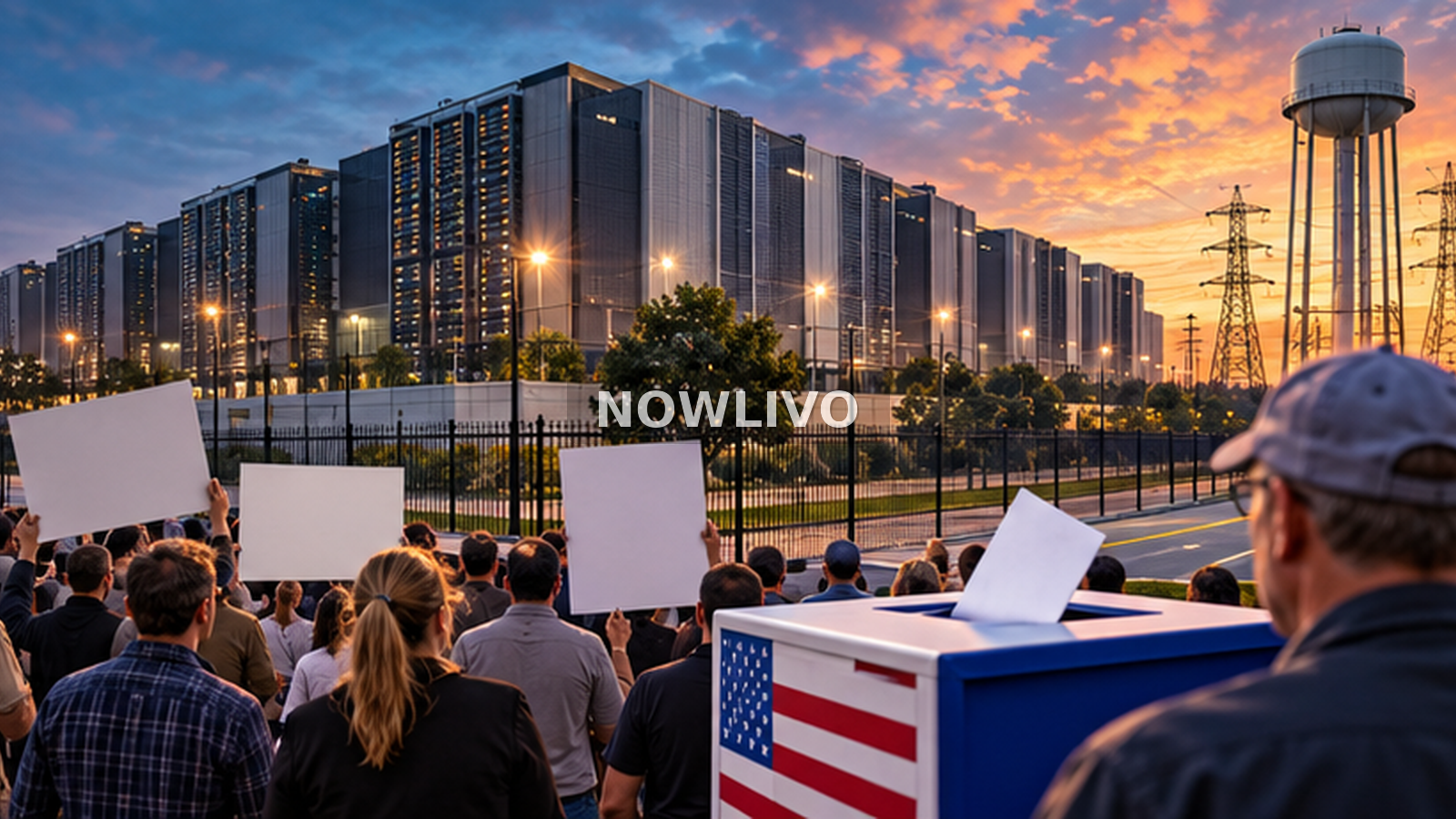
The rapid expansion of artificial-intelligence infrastructure is becoming an election issue in communities across the United States. Voters in 10 states will consider measures affecting data-centre development on November 3, according to an October 29 Reuters report. At least 41 proposals are on ballots in 38 local jurisdictions, covering possible bans, delays or additional requirements for facilities that support cloud computing and AI services. The new nationwide tally turns a series of local planning arguments into a broader test of how much influence communities want over the next wave of technology construction.
Ohio is the centre of the immediate debate. Reuters, citing the nonpartisan election-research group Ballotpedia, reported 21 data-centre-related measures across more than a dozen jurisdictions in the state. The proposals are not identical and voters should not assume every community is being asked to ban the same type of project. Some measures target particular sizes of facility, others seek more restrictive planning rules or additional scrutiny before construction can proceed.
Why data centres are drawing local opposition
Modern data centres are enormous collections of servers, networking equipment, cooling systems and power infrastructure. They support ordinary online services as well as the computing required to train and operate advanced AI systems. The technology is often described as digital, but the buildings are physical industrial facilities with substantial demands for electricity, land and sometimes water. Their effects can be felt by neighbours even if those neighbours never use the AI products being developed inside.
Residents cited by Reuters worry about the pressure on local electricity networks, water use and possible health or environmental consequences. Those concerns vary from site to site. A facility’s impact depends on its power source, cooling design, local water supply, backup generators, noise controls and the capacity of surrounding infrastructure. Opposition to one development does not establish that every data centre has the same footprint.
The issue also crosses party lines. Local organisers told Reuters that people with different political affiliations have joined efforts to limit projects. That is notable in a polarised election year: a voter who supports technological innovation nationally may still object to a very large industrial site near a residential neighbourhood. Conversely, some communities may welcome a project because of jobs, construction spending and the tax base it could bring.
A proposed Ohio restriction with real financial stakes
In Sunbury, near Columbus, one proposal would restrict data centres using more than 25 megawatts of electricity. Reuters reported that the measure could affect a proposed $2 billion development associated with Amazon. The threshold is important: it is a power-consumption criterion, not a referendum on every office or computer facility in the area. The impact on the specific project would depend on the measure’s final legal wording and the facility’s design.
Amazon has defended the value of its investments in data centres, pointing to employment, local tax revenues and services used by customers. The company did not tell Reuters whether any particular ballot result would change its wider expansion plans. That means it would be premature to report that a local vote has already cancelled an announced project. The election has not taken place, and any resulting legal restrictions may still need interpretation and implementation.
Industry analysts say local restrictions may redirect investment rather than halt the national AI buildout. Companies can consider alternative sites where power, land and permitting conditions are more favourable. Moving a proposed facility, however, does not remove all costs: grid connections can take years, and construction costs are already rising. A project delayed in one county may still be delayed again if the next location has similar infrastructure constraints.
The boom has continued despite resistance
Reuters cited industry research showing US data-centre capacity under construction rose 48% between December 2025 and June 2026, measured by power capacity. That is a substantial expansion, but it is not a forecast that every announced facility will be completed on time. Developers still need grid access, equipment, financing, permissions and customers. Rapid construction and growing opposition can therefore exist at the same time.
For technology companies, the election results will offer a signal about local permitting risk. For residents, they will test whether a ballot initiative can provide a stronger voice than ordinary zoning hearings. For utilities, they may affect planning for new generation and transmission capacity. The questions are related but distinct: a ban on a new data centre does not automatically lower existing electricity bills, and approval of a project does not guarantee that new grid infrastructure will be available immediately.
What voters should check before deciding
The most useful information is the exact text of each local measure. Voters should look for the definitions of a data centre, any power or water thresholds, exemptions for existing sites, and whether the rule creates a moratorium or a permanent prohibition. They should also examine whether the local government has authority to enforce the proposal and what happens to applications already in progress.
The November 3 votes will not determine the future of AI across the United States, but they may change where and how major facilities are built. The new development is the scale of the ballot challenge: dozens of communities are asking voters to decide how much of the AI infrastructure boom they are willing to host. Actual outcomes, legal challenges and project decisions will provide the next substantive updates.
Sources consulted: Reuters.