INDIA Bloc Levels Six Charges Against CEC Gyanesh Kumar at Symbolic Impeachment Event
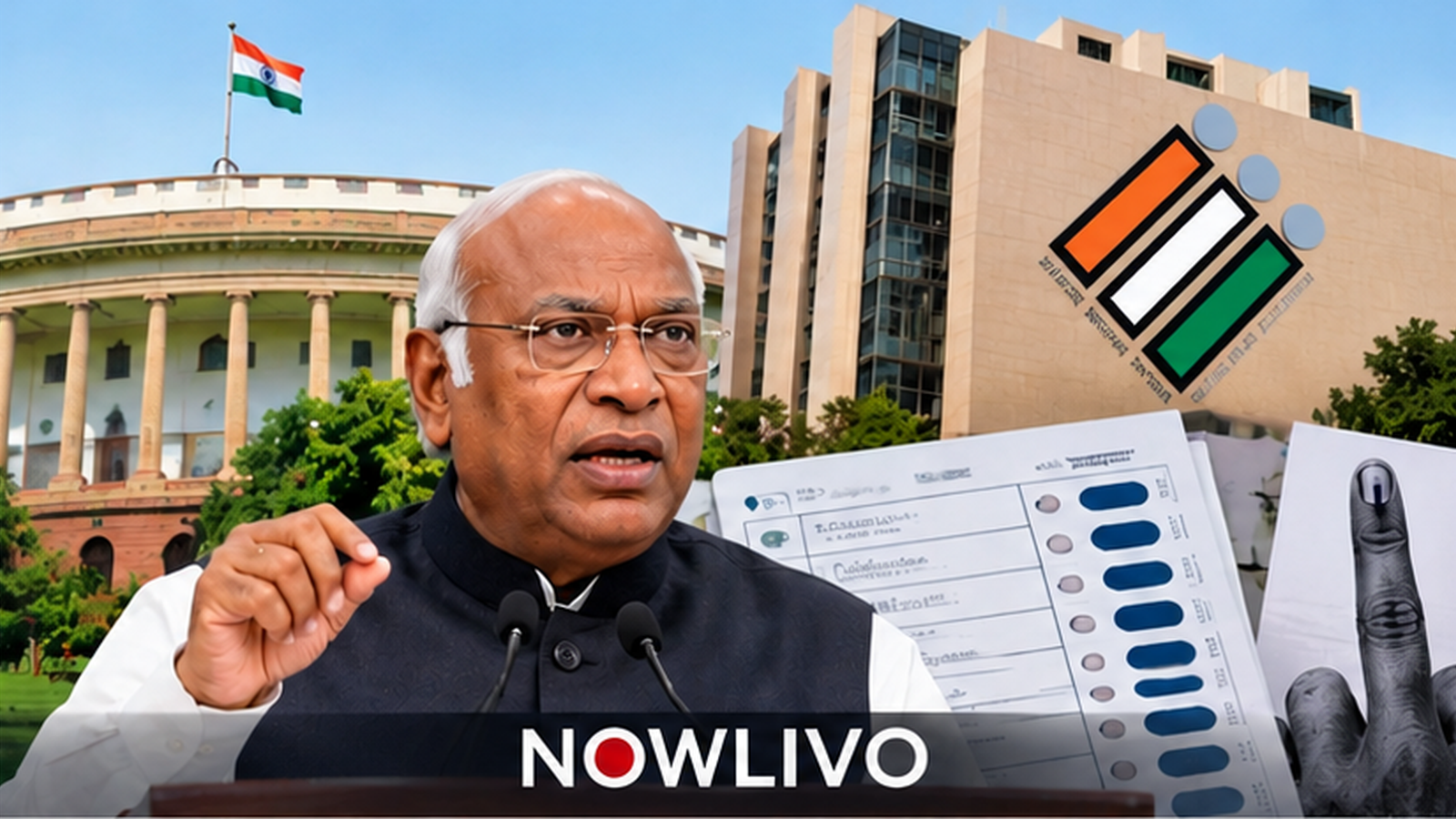
India's opposition INDIA bloc intensified its confrontation with the Election Commission on Saturday, October 31, by adopting a symbolic resolution seeking the removal of Chief Election Commissioner Gyanesh Kumar. Congress president Mallikarjun Kharge read six charges at a Delhi gathering described by organisers as a public impeachment. The event was a political demonstration rather than a formal constitutional removal proceeding. Its immediate significance lay in the opposition's decision to put a detailed set of accusations into a public resolution ahead of a larger protest planned for November 1.
The allegations concern electoral rolls, the Special Intensive Revision exercise, voter-registration rules, software systems and the independence of election administration. They are claims made by opposition parties, not established findings of wrongdoing. The BJP has rejected the broader campaign and accused its rivals of attacking constitutional institutions. The dispute therefore turns not only on the assertions in the resolution but also on how they can be tested against official records and legal procedures.
What happened at the Delhi event
Former Lok Sabha Speaker Meira Kumar presided over the symbolic proceedings, according to contemporary reporting. Kharge presented the resolution before senior opposition figures, with Rahul Gandhi, Sonia Gandhi and other INDIA bloc leaders reported among the attendees. The format was intended to dramatise the demand for accountability. It did not remove Kumar from office, commence a court trial or replace the procedures laid down in law for action against a Chief Election Commissioner.
The opposition's first allegation was that the poll chief had participated in a conspiracy to manipulate elections in favour of the ruling BJP. The second centred on the Special Intensive Revision of electoral rolls, including an opposition claim that 13.2 crore voters had been intentionally deleted. That figure was part of the opposition's accusation and must not be reported as a verified count of wrongful deletions. The BJP, in its response to the controversy, disputed the framing of mass voter deletion.
A third charge concerned changes to Form 6, the application used for voter enrolment. Opposition leaders alleged that the rules had been altered without proper parliamentary oversight and that the changes disadvantaged first-time voters. A fourth charge focused on ERONET and ECINET, software systems connected with the management of electoral records. The resolution alleged that control had become excessively centralised and that legitimate enrolment could be impeded. Those are serious assertions about process and accountability, but the event itself did not establish them as facts.
The remaining allegations and the government's response
The fifth charge alleged that the other two Election Commissioners had been excluded from important decisions. The opposition also referred to objections it said had been placed on record. The sixth alleged that Kumar had failed to act independently and had instead served the political interests of Prime Minister Narendra Modi and Home Minister Amit Shah. Some language in the resolution went further, demanding a treason trial. That demand expresses the opposition's position; it is not a criminal charge filed by a court or a judicial determination.
BJP representatives criticised the symbolic impeachment exercise and defended the electoral-roll revision process. The dispute over the number of deleted names illustrates why the competing claims need to be described precisely. A revision exercise can involve additions, removals, corrections and transfers, and the legal significance of each action depends on the relevant records and procedures. Treating a party's allegation as an independently established nationwide total would obscure that distinction.
Why the form of protest matters
India's election administration is designed to operate independently of the government and political parties. That independence is a central reason accusations against the Chief Election Commissioner attract national attention. At the same time, constitutional officeholders cannot be removed by a vote taken at a public rally. The opposition chose a symbolic parliamentary format to communicate its case, but the language of impeachment should not be confused with the legal mechanisms that apply to the office.
The political backdrop includes sustained arguments about voter-list accuracy and the SIR process. Opposition parties have repeatedly described the exercise as a threat to eligible voters, while government and ruling-party representatives have defended revision as necessary to maintain reliable rolls. The disagreement has become a focal point for competing narratives about electoral fairness. It also raises practical questions for citizens about checking their registration and challenging errors through recognised channels.
What comes next
The INDIA bloc has promoted a November 1 march and rally at Delhi's Ramlila Maidan under a campaign centred on protecting votes. That scheduled mobilisation creates a clear next development to watch: the scale of participation, any official response and whether the opposition follows its symbolic resolution with formal parliamentary or legal steps. A rally can create political pressure, but it does not by itself decide the factual accuracy of the charges.
As of the October 31 evening reporting reviewed here, the six accusations remained contested political allegations. Readers should distinguish the existence of the resolution, which is documented, from the truth of each claim within it, which requires evidence and due process. The immediate news is the opposition's new six-point resolution and the public confrontation it has triggered, not a completed impeachment or a proven electoral conspiracy.