India Confirms SCO Forum Invitations Including Pakistan as November Delhi Meeting Nears
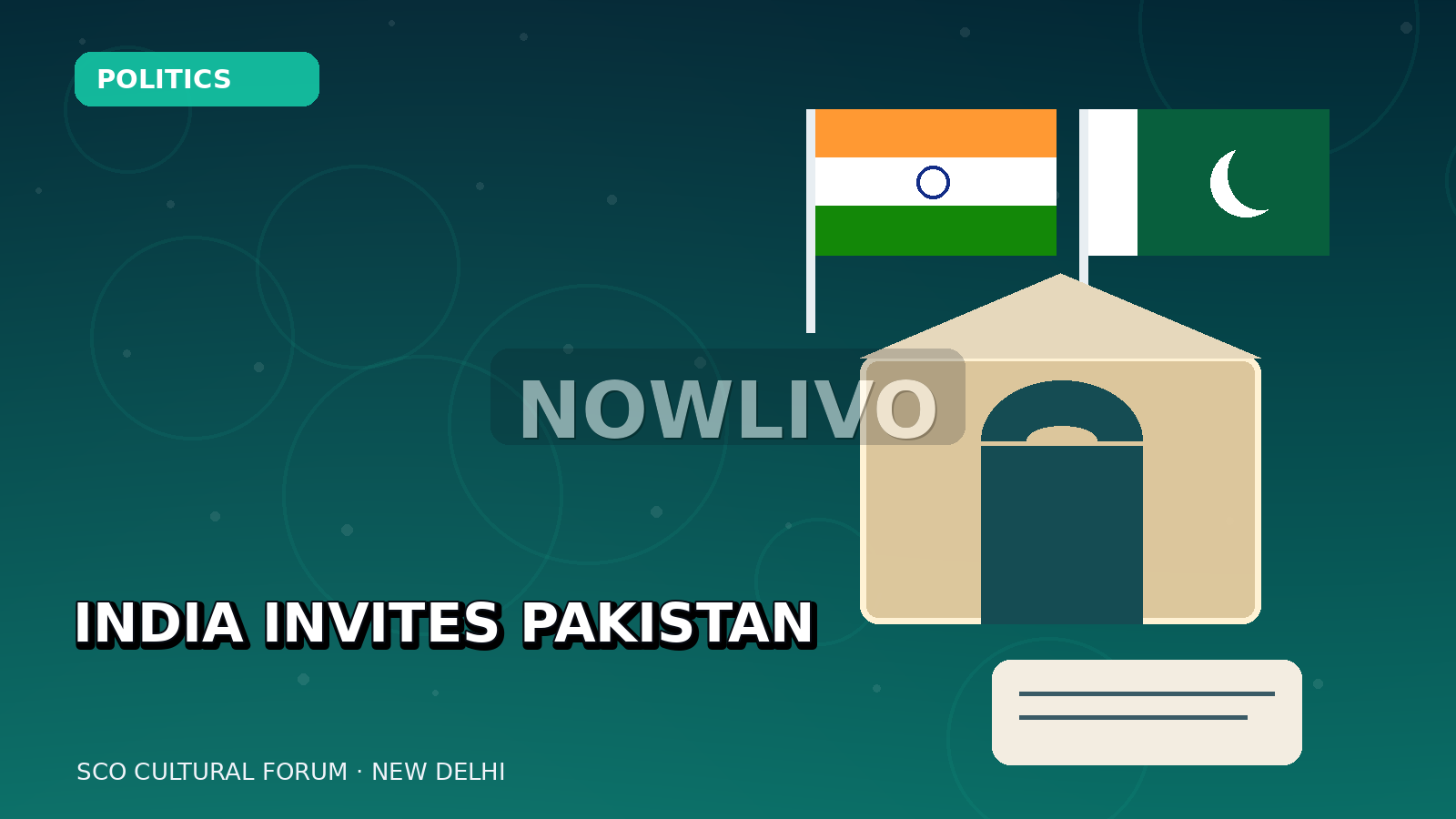
India has invited Pakistan to participate in a Shanghai Cooperation Organisation cultural forum scheduled for New Delhi in November, a notable piece of diplomatic news amid strained relations between the neighbours. The invitation was reported on October 27 and explained publicly by Indian officials on October 28. The key distinction is that Pakistan was invited as an SCO member to a multilateral gathering; officials have not described the move as a restart of bilateral peace talks or a resolution of the disputes between the two governments.
The forum, known as the SCO Civilisational Dialogue Forum, is intended to encourage exchanges around history, culture and people-to-people connections. Hindustan Times reported that representatives from all ten SCO member states were invited, including Pakistan’s National Heritage and Culture Minister Aurangzeb Khan Khichi. India’s foreign ministry spokesperson said invitations also went to dialogue partners and an observer. The public invitation does not by itself establish who will attend or whether any Indian and Pakistani ministers will meet privately.
Why the invitation attracted attention
Relations between India and Pakistan have remained tense following past attacks and military confrontations, including the hostilities surrounding Operation Sindoor in 2025. High-level visits have been unusual, and public exchanges between the governments frequently focus on security and terrorism. In that setting, even a routine invitation issued through a regional organisation can become a prominent headline. It is understandable that readers see a possible diplomatic opening, but the official description is narrower than a claim of reconciliation.
India has repeatedly maintained that multilateral engagement can continue even when bilateral relations are restricted. The SCO provides one such channel because both countries belong to the organisation alongside China, Russia and several Central Asian states. Participation in its meetings does not necessarily indicate agreement on border disputes, terrorism or broader foreign-policy questions. Governments can sit at the same conference without holding a separate negotiating session.
What the Delhi meeting is designed to do
The Civilisational Dialogue Forum was proposed by Prime Minister Narendra Modi at the SCO summit in Tianjin in 2025, according to reports. The initiative is intended to highlight shared cultural traditions and create opportunities for exchanges among participating countries. Indian reports have given November 20–22 as the expected period for the New Delhi event, while some earlier accounts mentioned November 20–21. Readers should follow the host’s final programme for exact session dates and venues rather than treating preliminary schedules as fixed.
Pakistan’s invitation fits the logic of a forum open to SCO members. Officials cited by Hindustan Times said the invitation should be seen in that institutional context and not interpreted as a change in India’s bilateral position. That explanation matters because a headline about a ministerial invitation can otherwise suggest a breakthrough that neither government has announced. The diplomatic significance lies in the possibility of a visit, not in any agreement that has already been reached.
Recent visits show how the two tracks differ
India’s external affairs minister S. Jaishankar visited Pakistan in October 2024 for an SCO heads-of-government meeting, while Pakistan’s then foreign minister Bilawal Bhutto Zardari attended an SCO foreign ministers’ meeting in Goa in 2023. Those visits were notable because of the wider bilateral freeze, but neither amounted to a comprehensive restart of talks. More recently, an Indian SCO coordinator travelled to Pakistan for preparatory discussions related to the organisation’s work. The pattern illustrates how regional meetings can continue despite serious political disagreements.
The invitation also arrives while Pakistan is preparing to host future SCO gatherings. Both countries have reasons to maintain working arrangements within the organisation, which covers regional security, economic cooperation and cultural exchange. That practical need does not erase disagreements over militancy or the aftermath of military incidents. Officials from both sides can participate in multilateral programmes while continuing to dispute each other’s positions elsewhere.
What remains unconfirmed
The available reports do not establish that Pakistan has accepted the invitation, named a final delegation or requested a bilateral meeting with Indian leaders. Nor has India announced a new negotiating agenda on Kashmir, trade or cross-border security as part of this cultural event. Those would be distinct developments if they occurred. Treating them as consequences of the invitation would move beyond the evidence currently available.
For people planning to follow the forum, the practical milestones are Pakistan’s official response, publication of the final schedule, the level of representation and any separate statements made on the sidelines. A visit by a minister would be significant in its own right, but a meeting between representatives should not be assumed until it is reported or confirmed.
The October 28 clarification therefore keeps the story in proportion. India has opened the door to Pakistan’s participation in an SCO cultural meeting because the organisation includes both countries. The invitation is genuine, the diplomatic context is sensitive and the possibility of a visit is newsworthy. Whether it leads to any wider engagement remains an open question, not an outcome that can be declared in advance.
Reporting sources
Reporting consulted: www.hindustantimes.com, timesofindia.indiatimes.com, thepresidency.net.