India Signs ₹53,866-Crore Deal for Eight Navy Corvettes to Be Built at Two Shipyards
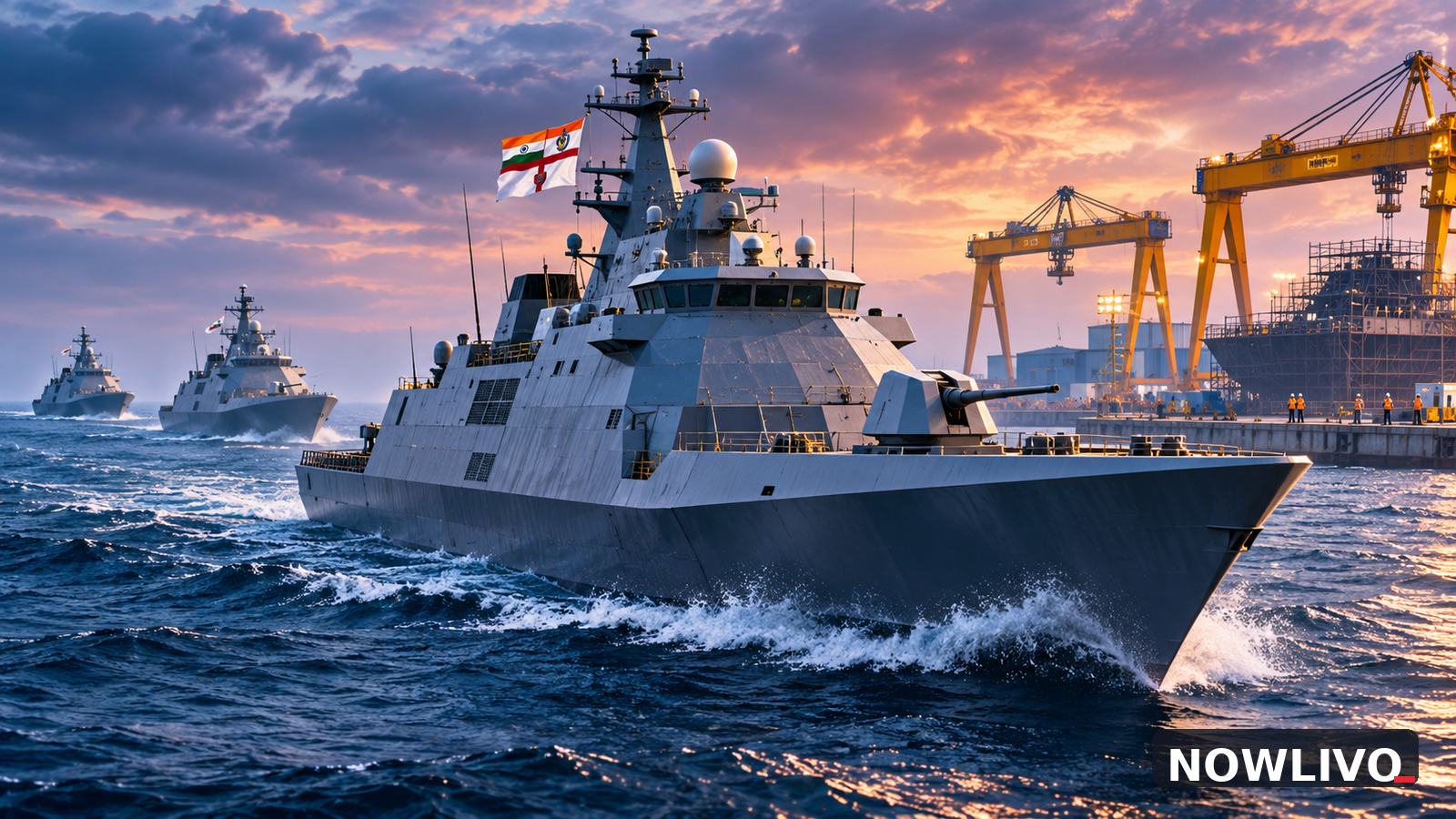
India's Ministry of Defence signed contracts worth ₹53,866.50 crore on Monday, November 2, to acquire eight next-generation corvettes for the Indian Navy. The agreements divide construction between two state-owned shipbuilders: Garden Reach Shipbuilders and Engineers Limited in Kolkata will build five vessels, while Goa Shipyard Limited will construct three. The signing turns a previously approved procurement proposal into a contracted shipbuilding programme and represents one of the largest recent investments in the Navy's surface fleet.
The ministry described the project as a milestone for indigenous naval design and manufacturing. Unlike an arrangement in which an overseas supplier delivers an existing ship design, the new corvettes are to be designed by the Indian Navy and built by public-sector shipyards selected through a competitive process. The contracts were signed in New Delhi in the presence of Defence Secretary Rajesh Kumar Singh, according to the defence ministry's account reported on Monday.
Five ships for Kolkata, three for Goa
The split between GRSE and Goa Shipyard is an important feature of the announcement. It distributes a major programme across two shipbuilding centres rather than placing all eight vessels at one yard. Both companies will have to coordinate with the Navy and a network of equipment suppliers, including manufacturers of sensors, weapons, machinery, electrical systems and other specialised components.
A contract signing is not the same as delivery. The ministry's announcement confirms the procurement commitment and the selected builders, but it does not mean eight new corvettes have entered service. Designing, building, testing and commissioning warships is a multiyear process, and future delivery milestones will be needed to judge whether the programme is on schedule. Any precise handover date should be checked against a later official schedule rather than inferred from Monday's announcement.
What the Navy expects these ships to do
Corvettes are smaller surface combatants than destroyers or frigates, but they can perform significant missions close to shore and along important maritime routes. The ministry said the next-generation vessels would be equipped with advanced missiles, weapons and sensor systems to operate against threats in the air, on the sea surface and below it. That mix is intended to make them useful in coastal defence, anti-submarine operations, maritime surveillance and other security missions.
The ships are expected to complement the Navy's four existing Kamorta-class corvettes, according to reporting on the programme. The reference is useful because it places the new order within an established Indian naval capability, but it does not establish that the new class will be identical to the Kamorta vessels. The next-generation design and its final equipment fit will need to be assessed when more official technical details are released.
A large industrial programme beyond the shipyards
Defence Minister Rajnath Singh said the construction work was expected to generate about 72 lakh person-days of employment at shipyards and another 460 lakh person-days in ancillary industries and micro, small and medium enterprises over ten years. These are government projections of industrial activity, not jobs already created on the signing date. Their importance lies in the supply chain: modern warships require hundreds of different products and services long before a vessel is ready for sea trials.
The ministry also expects the programme to strengthen collaboration among defence public-sector companies, private shipyards and other Indian industrial partners. This is a familiar aim of domestic defence procurement, but the scale of the new order gives it practical weight. How much equipment is ultimately sourced domestically, how costs are controlled and whether shipyards meet their milestones will determine how much of that promise is realised.
From approval to binding contracts
The Defence Acquisition Council had granted acceptance of necessity for the project in June 2022 at an approximate cost of ₹36,000 crore. The contracts signed in November 2026 carry a higher stated value of ₹53,866.50 crore. Those figures refer to different stages of the procurement process; they should not automatically be treated as proof of a cost overrun without a detailed comparison of scope, specifications, inflation assumptions and contractual terms.
For the Navy, the strategic case is straightforward. India depends on maritime trade routes and must monitor extensive coastal waters while retaining the ability to respond to threats from submarines, surface vessels and aircraft. New corvettes could expand the fleet's flexibility and allow larger combatants to focus on missions farther from shore. For the shipbuilders, the contract establishes a major pipeline of work whose progress will be watched for years.
A further test will be how the yards manage simultaneous construction without sacrificing quality or safety. Naval vessels have to integrate hull construction, propulsion, power, communications, sensors and weapons into a single reliable platform. Delays in any one major system can affect the whole programme. Those challenges are reasons to watch milestones carefully, not evidence that the new contract has already encountered a problem.
Monday's news is the signing itself: eight vessels, two builders and a ₹53,866.50-crore commitment. The next meaningful updates will be construction starts, equipment decisions, sea trials and delivery dates, not repeated announcements that the programme exists.