US Midterm Elections Begin November 3: When Indian Readers Can Expect the First Results
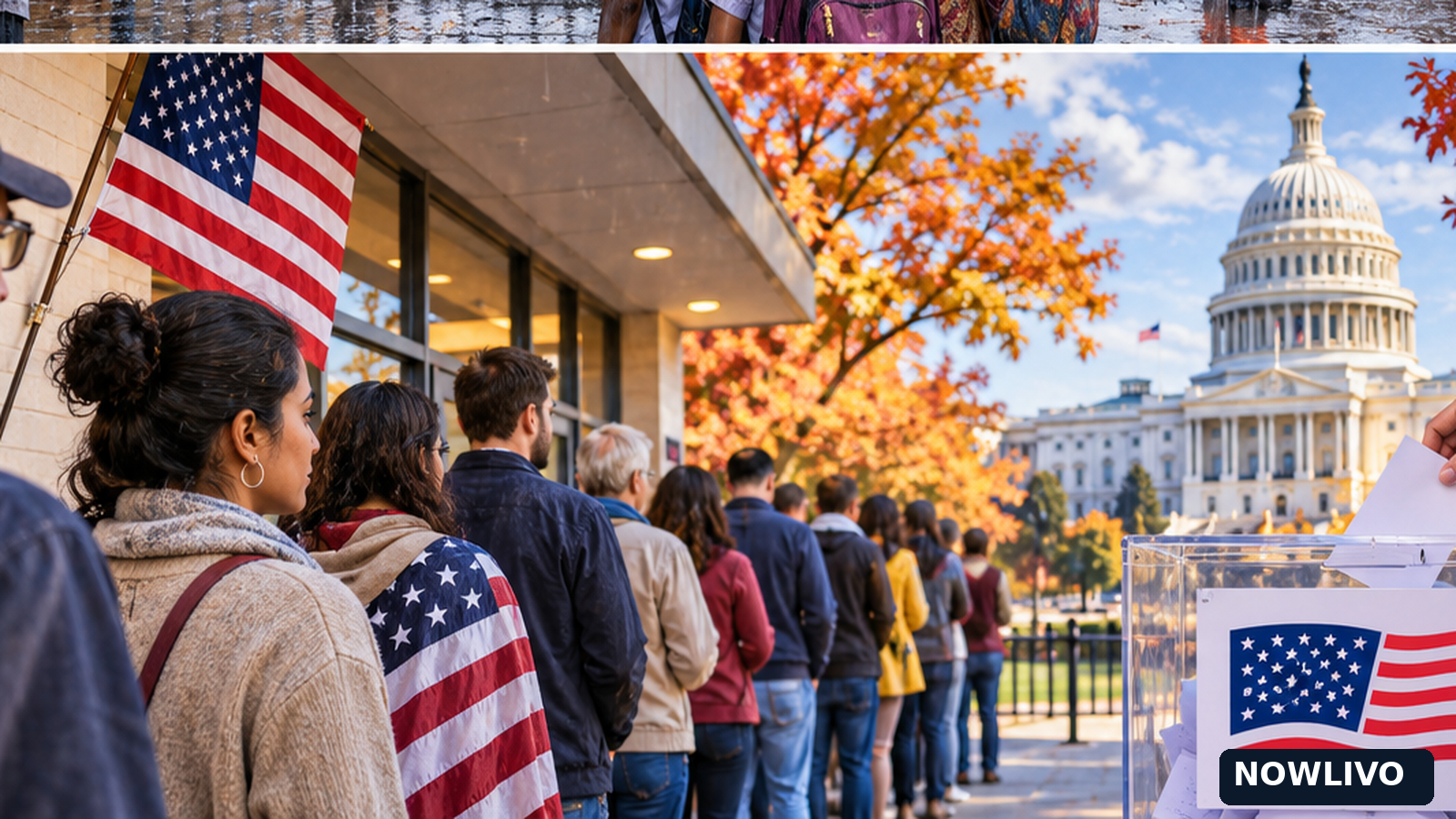
Americans head to the polls on Tuesday, November 3, in midterm elections that could change the balance of power in Washington. For readers following the election from India, the key timing detail is that the first polling places close on Wednesday morning, November 4, Indian Standard Time. The earliest closing times are not final results: vote counting continues across states, and close races can take longer to resolve.
What is at stake
All 435 seats in the US House of Representatives are on the ballot, along with 35 Senate seats and 36 governorships, according to a November 2 election guide published by The Indian Express. The results will determine whether Republicans keep control of both chambers or Democrats win one or both for the remaining two years of President Donald Trump’s term. State-level races also matter because governors and legislatures influence budgets, election administration and local policy.
The first results arrive after dawn in India
The earliest polling stations are scheduled to close at approximately 5:30 a.m. IST on Wednesday, November 4. That is when election-night coverage begins shifting from turnout reports and exit-poll commentary to actual counted votes. Because the United States spans several time zones, later western-state polling places remain open after eastern states have started reporting. Any nationwide tally presented while polls remain open should be understood as provisional.
Why election night is not a single national count
US elections are administered state by state, and often county by county. Each jurisdiction follows its own rules for processing in-person votes, early votes, absentee ballots and provisional ballots. News organizations may project winners when sufficient information is available, but those projections are not the same as certified results. Close contests can be affected by late-arriving lawful ballots, recount rules and outstanding precincts.
House and Senate control may resolve at different speeds
The House has hundreds of individual districts, and a handful of competitive contests can decide its majority. The Senate involves fewer races but each seat can have an outsized effect on control. Some states count quickly; others may need additional time to verify mailed ballots or resolve close margins. Readers should resist treating an early lead in a single state as proof that a party has won a chamber.
Which developments matter most for global readers
The outcome could influence congressional oversight, spending legislation, trade negotiations and the administration’s room to advance domestic priorities. Indian readers may be especially interested in signals about tariffs, immigration and technology policy, although no single election result automatically changes any of those rules. The first concrete news event is the opening and closing of polls; subsequent developments include projected winners, party-control calls, concessions and official certifications.
How to follow results without confusion
Use reputable live results desks that label whether a race is counting, projected or officially certified. Check timestamps and distinguish votes counted from the estimated share of the vote still outstanding. An apparent early advantage can reflect which counties or voting methods were counted first. A map showing one party leading does not establish a final national outcome until enough races have been decided.
What November 3 coverage can and cannot say
At the start of election day, turnout, queue lengths and reported voting problems may be newsworthy, but there are no verified final results to report. Polling-place anecdotes should not be generalized to entire states. Claims about fraud, interference or technical problems need attribution to the people or authorities making them and should not be elevated into confirmed findings without evidence. This is particularly important during a highly polarized election.
The next meaningful updates
The next developments to watch are official poll closings, the first reported vote totals, projections in competitive races and any confirmed change in control of the House or Senate. This article is a timing and stakes guide tied to the actual November 3 election, not a prediction of the winner. NOWLIVO will need a separate, verified results update once votes have been counted.
The difference between projections and certification
Election-night broadcasters often announce that a candidate is projected to win before every ballot is counted. Such calls rely on reported votes and analysis of outstanding ballots; they are editorial judgments, not government declarations. State election officials later canvass and certify totals under their own laws. If a race is close, readers may see several days of updates without an official winner. A cautious headline should say projected, leading or certified according to the actual stage, and should never invent a final tally to satisfy demand for instant results.