Maharashtra Forms Drought Relief Panel as Crop Surveys and Declaration Remain Pending
Maharashtra’s cabinet has formed a subcommittee to review drought-like conditions and speed relief decisions as farmers face the effects of a long break in monsoon rain. Chief Minister Devendra Fadnavis announced the step on Tuesday, 22 September. The new panel is a decision-making mechanism; it is not itself a statewide drought declaration or a payment of compensation.

What the government has decided
The cabinet subcommittee is to review conditions regularly, examine field reports and recommend or take relief measures. Revenue Minister Chandrashekhar Bawankule is identified as its chair in accounts of the cabinet decision. Fadnavis has directed crop-loss assessments and said the state would arrange drinking water where needed. The government has also discussed seeking central assistance once the evidence required for claims is assembled.
Fadnavis said a first drought notification could come before Saturday on the basis of preliminary information, with additional areas potentially included later. That is an indication of the intended timetable, not a notification already issued. Formal field assessments, known as panchnamas, are central to determining crop damage and the scale of support.
Why a rainfall deficit is only part of the test
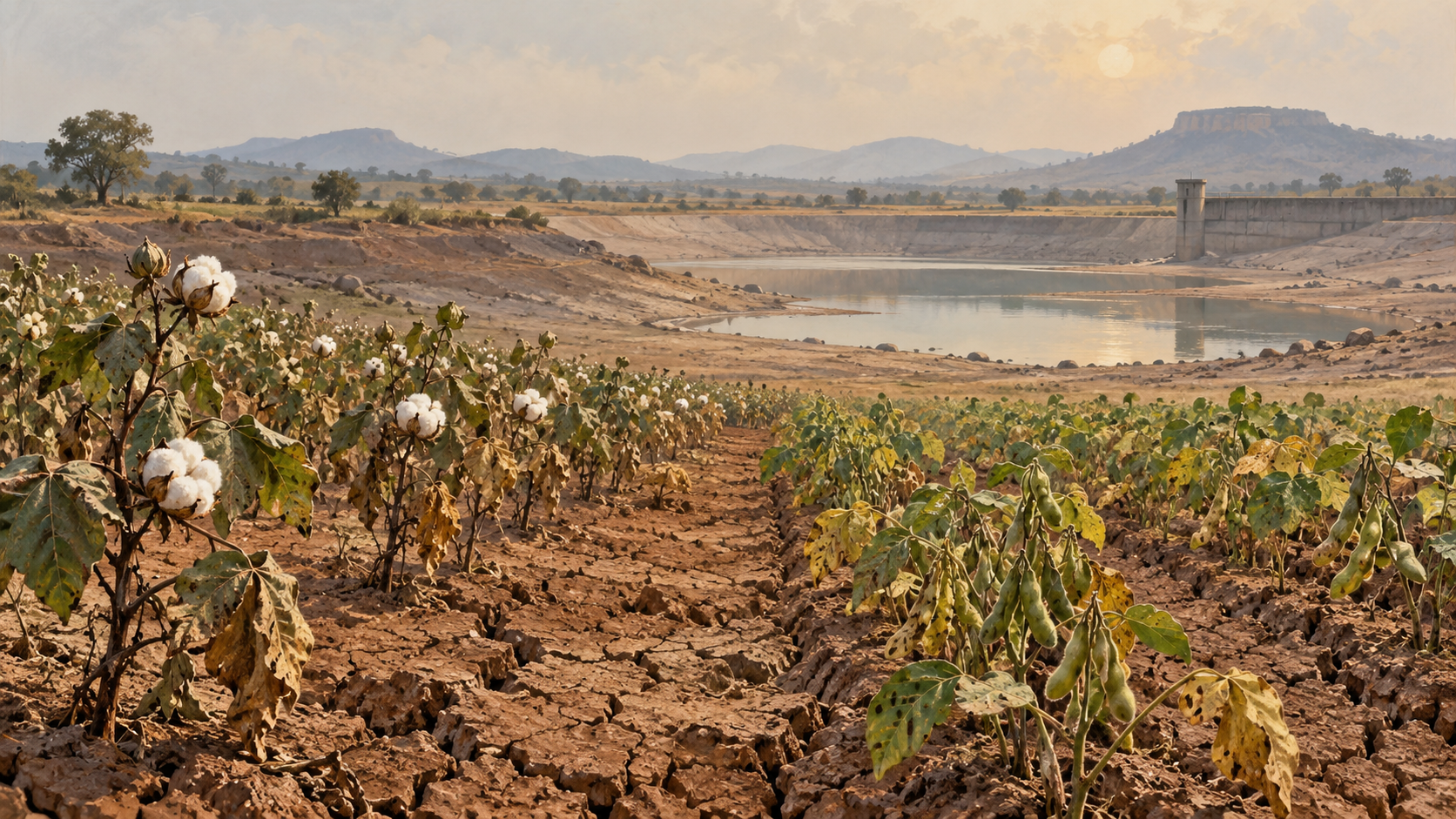
Weather data show a substantial shortfall across Maharashtra this monsoon, but statewide averages can hide very different local experiences. Some districts have received much less rain than usual while others have fared better. Crop losses depend on when dry spells occurred, the crops grown, local soil moisture and available irrigation, as well as the season’s cumulative total. That is why the state’s district and field assessments matter for deciding which areas and households qualify for relief.
The delay has become a political and public-interest dispute. Opposition figures, including Sharad Pawar, have urged a quicker formal declaration and immediate farmer assistance. The government says it has begun preliminary measures and needs assessment data for further decisions. The practical test for affected residents will be the areas named in any notification, the documented damage thresholds, water arrangements and the amount and timing of aid—not merely the creation of a committee.
Farmers should distinguish three stages in the days ahead: the cabinet’s new review process, any official drought notification identifying places and eligibility, and the later sanction and delivery of individual relief. Each stage needs separate confirmation.