WHO and KSrelief Set $5.3 Million Cholera Response Across Five African Countries
The World Health Organization and the King Salman Humanitarian Aid and Relief Centre have signed a $5.3 million agreement for cholera preparedness and response across Cameroon, Chad, Mali, Niger and Nigeria. The agreement was signed in New York during the UN General Assembly on 22 September, according to WHO. It is a commitment to carry out work, rather than a claim that the interventions are already complete.

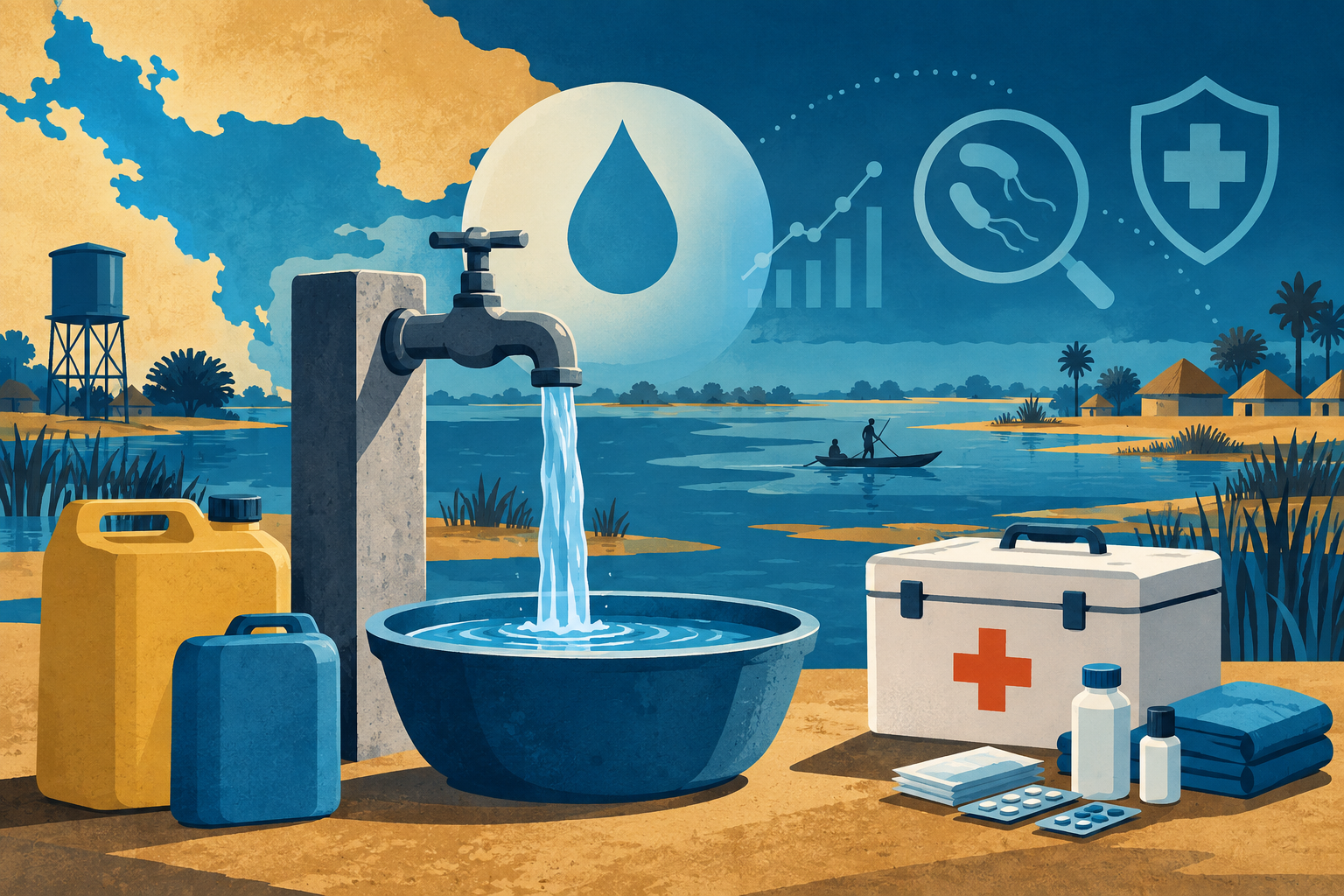
The planned response combines safe-water and sanitation measures with disease surveillance and medical support. WHO says it includes drilling wells, repairing public latrines, supplying medicines and medical consumables, and rehabilitating health facilities. The mix matters: cholera can spread through contaminated water, while timely detection and treatment can reduce the harm once infections occur.
Why the five-country approach matters
The risk crosses borders. In August, UNICEF identified the Lake Chad Basin as one of two major regional transmission corridors and said the same cholera strain was affecting Chad, Cameroon and Nigeria. Seasonal flooding can contaminate water sources and damage sanitation systems, while displacement and movement between communities complicate response. The newly announced project’s coverage extends to Mali and Niger as well; the institutions have not provided a country-by-country spending breakdown.
The scale of the emergency also requires care with dates. WHO’s September announcement says more than 61,000 cholera cases were recorded in its African Region during the first five months of 2026. It says Nigeria had recorded more than 50,000 cases and 338 deaths since January, while nearly two-thirds of infections in Chad were among children under 15. Those figures describe different geographies and reporting periods and should not be added together as a single basin total.
What to watch next
The agreement names activities but does not set out public milestones for wells completed, facilities restored or cases prevented. Progress will depend on whether water and sanitation work reaches affected communities alongside surveillance and care. WHO says 8.2 million people across the Lake Chad Basin require humanitarian assistance and only 22% of funding requirements had been met as of April. That wider funding gap puts the new commitment in context without establishing how much of it this single project will close.
The agreement was signed by WHO Director-General Tedros Adhanom Ghebreyesus and KSrelief supervisor general Abdullah bin Abdulaziz Al Rabeeah. WHO says the project is intended to support faster outbreak detection and life-saving treatment in the five countries.