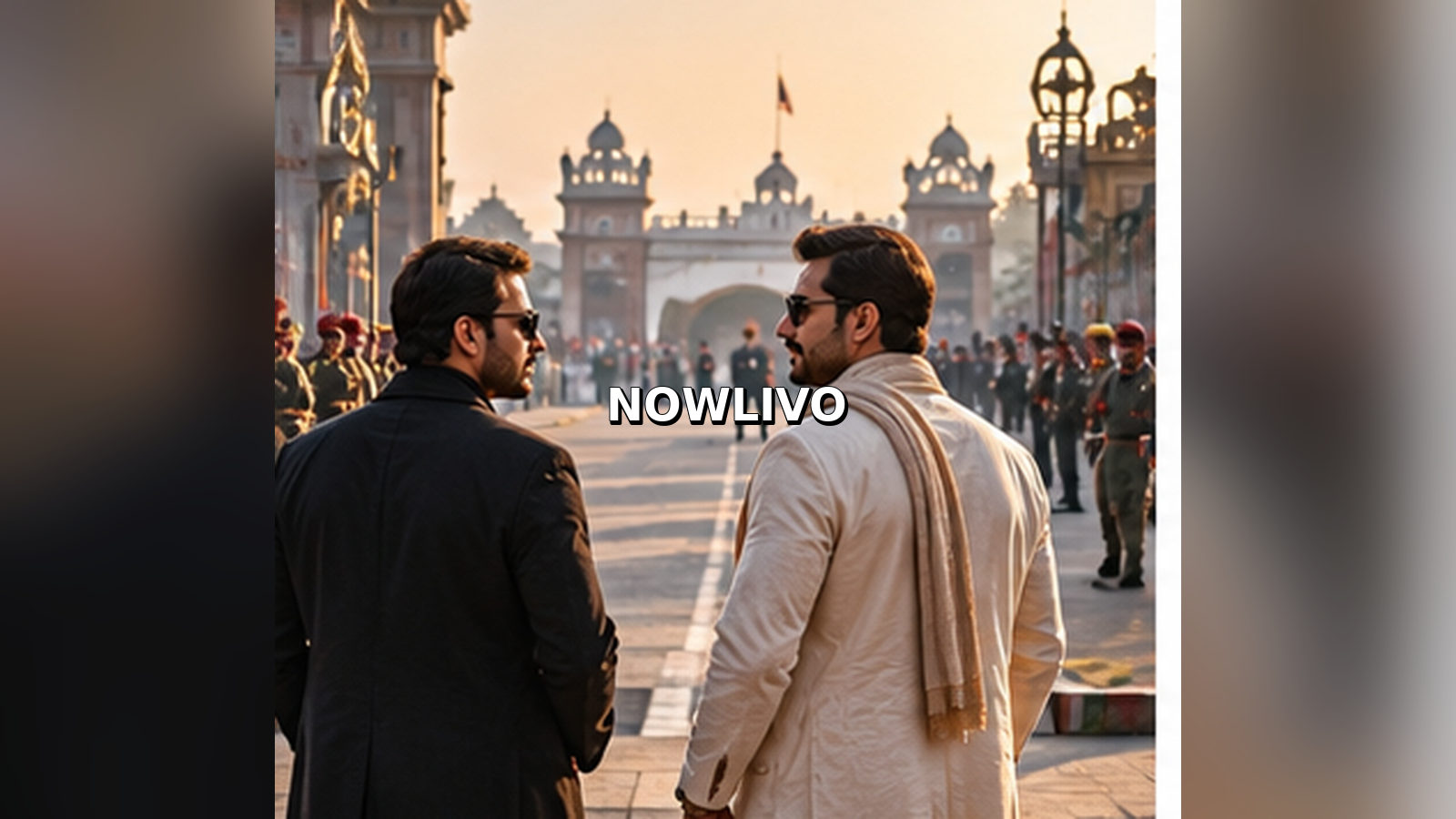
An appearance by actors Ayushmann Khurrana and Sara Ali Khan at the Attari-Wagah border has become an unexpected entertainment talking point during promotion for their film Udta Teer. Reports dated October 21 say music coming from the Pakistani side of the border was audible while the actors were visiting, with Atif Aslam’s rendition of Tajdar-e-Haram drawing particular attention. Video from the event circulated on social media, shifting the conversation from the forthcoming film to the setting, ceremony and soundtrack of the visit. The incident has attracted curiosity, but a short clip does not establish why any music was played or whether it was intended as a response to the stars.
What happened during the border appearance?
Khurrana and Khan visited the Attari-Wagah area in Punjab as part of promotional activity for <em>Udta Teer</em>. During the visit, audio attributed to the Pakistani side could be heard, according to media coverage of the circulating footage. The reported song was a performance of <em>Tajdar-e-Haram</em> associated with singer Atif Aslam. Some accounts say the music made it difficult to hear a promotional address. That observation concerns the sound heard in the recording, not any confirmed intent behind its timing. The story is best understood as an unusual public appearance at a highly recognisable border site that produced a widely shared entertainment clip.
Why is Attari-Wagah such a distinctive setting?
The border crossing near Amritsar is known for its public ceremonial atmosphere and large crowds. National flags, security personnel, organised viewing areas and the long-running retreat ritual create a very different backdrop from a conventional film launch in a shopping mall or hotel ballroom. Visiting actors are immediately surrounded by images and symbols that viewers interpret through their own personal and political experiences. That context can turn routine promotional footage into a news discussion. A report should nevertheless avoid implying that the visit was an official diplomatic exchange or that an entertainer's promotional schedule involved government negotiations. It was presented as a film-related appearance.
What did Sara Ali Khan share?
Coverage says Khan used her social-media account to express appreciation for the Border Security Force after the visit. Her post is a more reliable account of her stated reaction than anonymous interpretations of her facial expression in clips. Fans often focus on a celebrity's surroundings, clothing or gestures during high-profile public outings, but none of those details proves what the person thought about a particular song. Readers interested in the actors' views should distinguish their published statements from remarks attributed to unnamed observers. As with any edited video, footage should also be considered in light of what happened immediately before and after the captured moment.
The music that became part of the story
A recorded song at a large outdoor event may travel farther online than the planned speech or promotional announcement. <em>Tajdar-e-Haram</em> is familiar to listeners beyond one country, which may explain why people recognised the tune quickly. Recognition is not evidence that a specific institution or person selected the music to make a political point. The circumstances of its playback have not been independently established in the material reviewed here. The safest description is therefore that the song was reportedly heard during the visit and became part of the online discussion. Claims of provocation, insult or a deliberate audio contest require stronger evidence.
What is known about Udta Teer?
The film is being promoted with Ayushmann Khurrana and Sara Ali Khan as its central public-facing stars. Promotional appearances shortly before release are intended to introduce the project to audiences who might not see conventional advertising. Reported release dates, ticket plans and streaming arrangements can change, so viewers should rely on official announcements for practical details. The border visit in itself does not reveal a new plot twist or guarantee that any scene was filmed there. It offers a window into the campaign's public events rather than a complete description of the story viewers will eventually see on screen.
Are the online reactions a controversy?
A clip featuring Indian film stars, an international border and an instantly recognisable song is likely to trigger jokes, speculation and differing political readings. That alone does not make an established bilateral dispute. A disagreement among social-media users should be described as online commentary, while an actual formal protest would require an identifiable organisation or official statement. The available reports focus on the unusual soundtrack and its effect on the promotional moment. Describing the event as a diplomatic incident would create a much stronger claim than the evidence supports. Accuracy matters particularly when entertainment intersects with a sensitive geographic setting.
Why film publicity chooses unusual locations
Actors and studios seek events that allow audiences to attach stories to memorable experiences. A visit to a ceremonial site can attract attention from local media and followers who are interested in travel, culture and public life, not only cinema. That broader visibility can benefit promotion but increases the chance that unforeseen details dominate the conversation. Music, crowds, security restrictions and delays are all harder to control in a public space than on an indoor press stage. The Attari-Wagah footage illustrates that practical difference: an ambient element became the detail that audiences discussed most.
What should audiences watch for now?
Readers should look for confirmed release information and any further statements from the actors or organisers. It is reasonable to report that the clip went viral, but not to invent audience numbers or claim the artists were humiliated without direct evidence. The confirmed story is an unusual promotional visit, music heard from across the border and the social response to the footage. The film's wider campaign can be covered on its own merits, without turning an incidental sound into an unsupported allegation about anyone's motives.