
Do Content Credentials Prove a Video Is Real? What They Actually Show
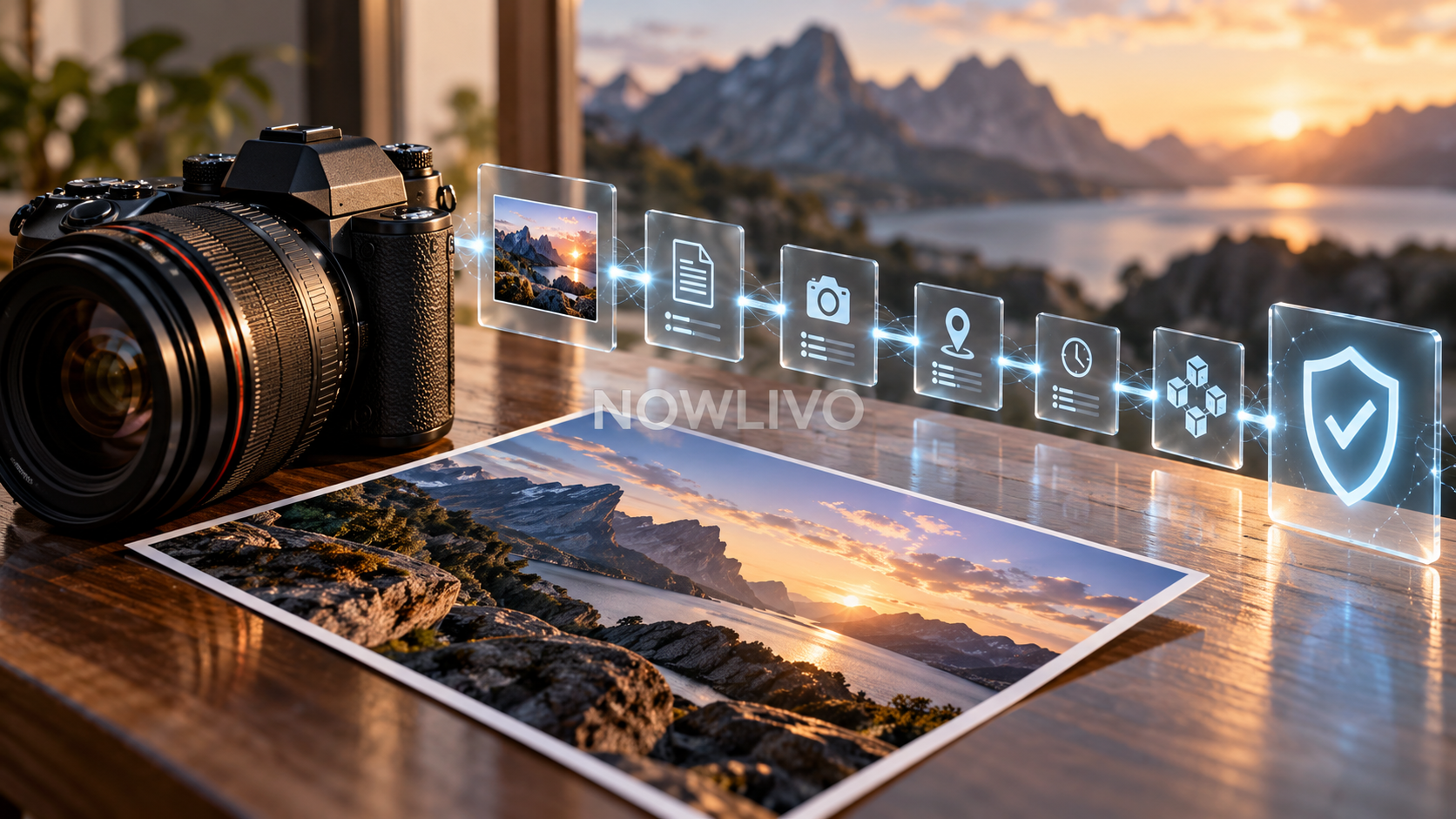
Content Credentials do not prove that everything shown in a video is true. They can provide tamper-evident information about a file’s recorded origin, tools and edits. That history can help verification, but it must be interpreted alongside the scene, the publisher and independent evidence. A genuine file can still depict a staged event or carry a misleading caption.
Provenance is the history attached to the file
The C2PA approach records signed information about an asset and can show parts of its creation or editing history. Validation checks whether the relevant assertions are bound to the asset as expected and whether they have been altered.
It does not turn every statement made by the signer into an independently verified fact. Read what is asserted and who signed it, rather than treating a badge as a universal truth label.
A camera recording can still need context
A video of a crowd might genuinely have come from a camera, yet be shared with the wrong city or date. Provenance can help trace the file without settling the accompanying claim.
Ask whether the credential actually contains the detail being disputed. A record of an editing tool is not a record of the real-world time and place unless those details are included and supported.
Edits are not automatically deception
Cropping, colour correction and adding captions can be ordinary publishing work. A disclosed edit can help a reader understand the production process.
The question is what changed and whether that change affects the claim. Removing a long pause and altering a speaker’s meaning are different editorial actions, even if both involve an editing application.
Missing credentials do not prove fakery
Many files circulate without accessible credentials. A publishing or sharing workflow may not carry the data through, and a camera may never have created it.
Absence therefore calls for other verification; it is not a verdict. Similarly, visible branding or a watermark alone does not establish who originally captured a scene.
Use credentials as one part of a check
Inspect the signer, the recorded actions and any validation warnings. Then compare the video’s claims with the original publication, location clues and other evidence.
For publishers, preserve the available provenance through the workflow and explain relevant edits accurately. For viewers, the useful question is what the credential supports. It can strengthen a documented history without replacing the work of checking the story.
Quick check
- Read the signer and recorded actions.
- Check validation warnings.
- Verify the scene’s context separately.
Read next: checking a video’s export and playback path.