New Zealand Lose Devon Conway for India ODI Opener After Training Collision
A late setback before the opening ODI
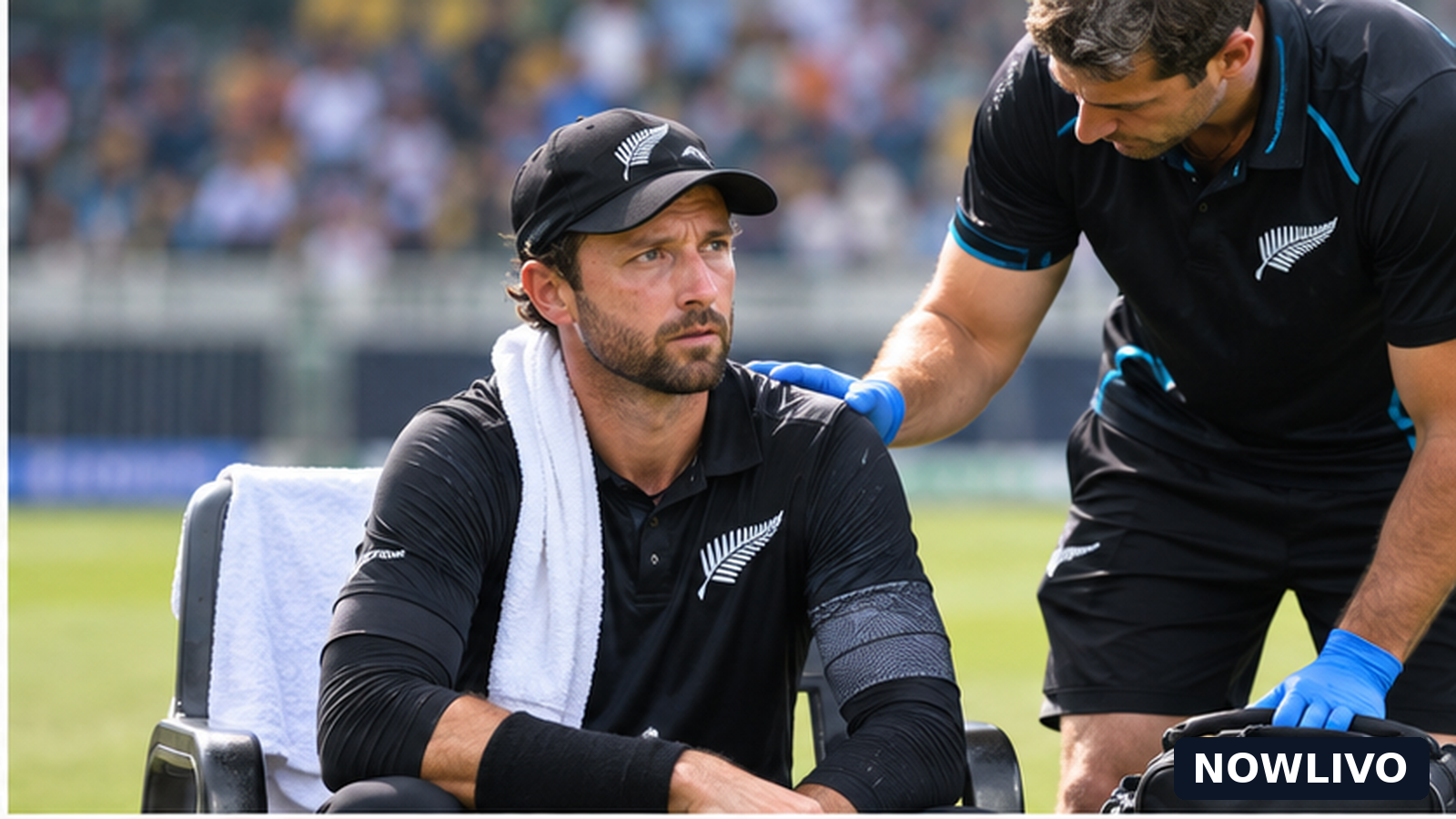
New Zealand opener Devon Conway has been ruled out of Wednesday’s first one-day international against India after suffering a concussion in a training collision with teammate Matt Henry. Reuters reported the development on November 3, citing New Zealand Cricket. The incident occurred during preparation at Eden Park, leaving the hosts to adjust their plans immediately before the start of the series. It is a significant selection change because an established opening batter will be absent rather than merely uncertain for the match.
What New Zealand Cricket has confirmed
The team said Conway would miss the opener and that both players involved in the collision would be monitored. Henry’s availability remained under assessment in the account, and the team had not issued a definitive return timetable for the rest of the series. A concussion is a medical matter as well as a selection problem; clearance depends on the player’s recovery and the applicable protocols, not simply the importance of a match.
Tim Seifert steps into the opening role
Captain Mitchell Santner named Tim Seifert as Conway’s replacement. Seifert arrives with recent familiarity against India from the T20 series, but the one-day format asks different questions of an opener. Building an innings across a longer powerplay and managing the middle overs may be as important as the attacking starts associated with shorter cricket. The substitution therefore affects not only the team sheet but also how New Zealand may plan its first ten overs.
Matt Henry remains a separate concern
Henry was also involved in the training collision and will be monitored, according to the report. Santner expressed hope that the bowler would be fit to play, but hope is not confirmation of selection. A potential change to the seam attack would be a second disruption, particularly if the pitch offers early movement. Until New Zealand announces its final eleven, Henry should be described as a player whose availability is being assessed, not as definitely ruled out.
Other absences complicate preparation
New Zealand are already managing the absence of Rachin Ravindra because of a shoulder injury and Mark Chapman as he recovers from a hamstring problem. Multiple injuries do not automatically determine a result, but they reduce the combinations available to the captain. They also put additional responsibility on players moving into unfamiliar roles or taking on more overs. The precise balance between specialist batters, all-rounders and bowlers will become clearer at the toss.
India enter with their own plans
India come into the ODI leg after winning the preceding T20 series 3–2. Captain Shubman Gill has spoken about using the conditions as valuable preparation for future international assignments, according to Reuters. The ODI series is not simply an extension of the T20 contest: bowling spells, fielding restrictions and batting tempo change considerably. India will have to prepare for New Zealand’s revised lineup rather than assuming the earlier results predict the next format.
Selection decisions later in the series
Gill and KL Rahul are expected to miss the final two ODIs as they prepare for the subsequent two-Test series, Reuters reported. That makes squad management a continuing storyline on both sides. The opening match could establish early combinations, while later fixtures may involve different personnel. Readers should distinguish an announced absence from a possible change that has yet to be confirmed by the teams.
What to watch on match day
The immediate questions are whether Henry receives clearance, who partners Seifert at the top, and how New Zealand balances its attack. A confirmed playing eleven and any medical update will be more meaningful than speculation about an exact return date. Conway’s withdrawal is the established news development; anything beyond the first ODI remains subject to further team information.
The human and operational implications
An injury to a first-choice player shortly before a series forces coaches to make decisions under time pressure. Practice sessions, batting partnerships and bowling plans may need revision, and a replacement player must adapt quickly. Yet selection uncertainty should not be confused with a medical prognosis. The priority for a player with concussion is appropriate assessment and recovery, and any suggestion of rushing back would be speculative. Match-day announcements from New Zealand Cricket will be the clearest source of information on which players are actually available.