ECI Eases SIR Notice Rules and Orders ECINET Review: What Voters Need to Know
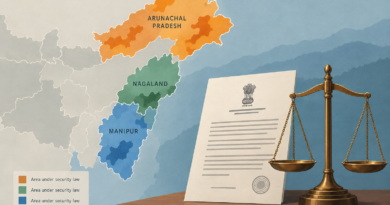
The Election Commission of India on September 26, 2026, announced changes intended to reduce the burden on voters affected by the Special Intensive Revision of electoral rolls. It also ordered a review of ECINET, the digital system used for voter services and electoral-roll administration.

The decisions follow controversy over the SIR process, changes linked to the online voter-registration form and the extent of access available to election officials working in states and districts.
What changes for voters who receive notices?
The most immediate relief applies to voters issued notices because they are classified as “unmapped” or because ECINET has flagged a “logical discrepancy” in their records.
An unmapped voter is generally someone whose details could not be connected to an electoral roll used in an earlier intensive revision. A logical discrepancy may involve information such as age, family relationships, addresses or other entries that the system identifies for further verification.
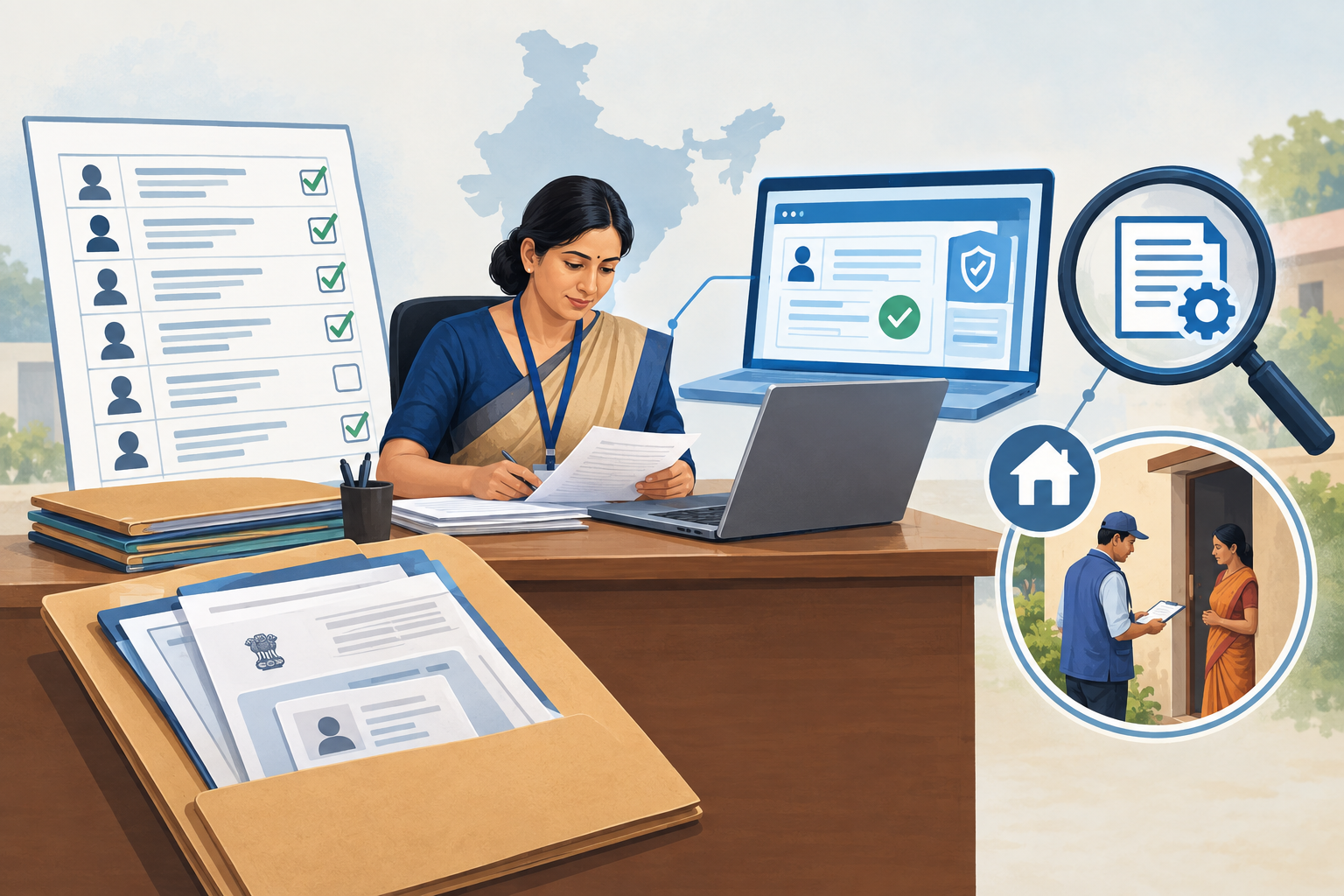
Such voters will not ordinarily have to visit the office of the Electoral Registration Officer or Assistant Electoral Registration Officer for a personal hearing. Instead, Booth Level Officers will visit their homes, collect the required documents and upload them to ECINET. The Electoral Registration Officer will then decide whether the entry should be retained, corrected or otherwise acted upon.
A hearing may still be ordered in exceptional circumstances, but the Commission said it should preferably be conducted online. If necessary, a voter may authorise an adult family member to attend on their behalf.
District Election Officers have also been directed to establish help desks or special camps for homeless people, residents of night shelters, labourers and others who may find it difficult to complete the process without assistance.
Why is ECINET being reviewed?
The Commission will form a committee headed by a senior Deputy Election Commissioner and including an independent expert from an Indian Institute of Technology or Indian Institute of Information Technology. The committee will examine whether ECINET operates in accordance with the applicable election laws and rules.
The review is also expected to examine whether field officers have sufficient system access and flexibility to exercise their statutory powers. The Commission said role-based access is already provided and that further flexibility will be introduced if required.
Future initiatives involving election-related IT modules and portals will first be discussed by a committee of officers before being placed before the Commission for approval.
What happens to Form 6?
Form 6 is used by eligible citizens seeking inclusion in an electoral roll. During the SIR, an additional declaration asked applicants about their own or their parents’ or grandparents’ presence in an earlier intensive-revision roll.
Election Commissioners Sukhbir Singh Sandhu and Vivek Joshi had raised concerns about the online addition, including its legal basis and its possible effect on young and first-time voters. The Commission said the declaration used during the SIR had been upheld by the Supreme Court. Outside an SIR period, however, the standard forms prescribed under the Registration of Electors Rules, 1960, will be used.
Which deadlines have been extended?
In Delhi, the deadline for filing claims and objections has been extended to October 30, 2026. The disposal of notices, claims and objections may continue until November 30.
In Maharashtra, claims and objections may be filed until October 12, with disposal extended to November 10.
The Commission said SIR has been completed in 20 states and Union Territories, including Bihar and West Bengal. People whose names were omitted can still seek inclusion through continuous updating of the rolls. Election officials have been directed to conduct special enrolment drives for left-out electors and young or first-time voters.
What political parties have objected to
Congress has demanded the resignation or removal of Chief Election Commissioner Gyanesh Kumar, a pause in the SIR and an independent or Supreme Court-monitored investigation. The party has argued that reported objections within the three-member Commission raise questions about transparency, the treatment of dissent and control over electoral databases.
The Trinamool Congress has challenged SIR-related deletions and demanded stronger action over the management of electoral rolls. The DMK has called for the exercise to be halted and investigated, while the Samajwadi Party has questioned whether future elections should be conducted under the current Chief Election Commissioner. Left parties have also sought his removal and organised protests against the SIR.
The Election Commission rejects the suggestion that its final SIR decisions lacked institutional approval. It says the nationwide SIR order issued on June 24, 2025, and subsequent schedules were approved unanimously by the full Commission. It has characterised internal notes, comments and technical suggestions as part of normal decision-making.
What voters should do now
- Check whether your name appears on the current electoral roll through ECINET or with your local election office.
- If you receive a notice, contact your Booth Level Officer and prepare the documents requested for verification.
- Do not ignore a notice simply because a home visit is expected; confirm the process and retain copies or acknowledgements of documents submitted.
- If your name is missing, submit Form 6 to the relevant Electoral Registration Officer without waiting for another general revision.
- Use help desks or special camps if you lack online access, stable housing or assistance with the forms.
- Track your application and raise a claim or objection before the applicable state deadline.
Voters should verify their roll entry even if they already possess a voter identity card, because eligibility to vote at a particular polling station depends on inclusion in the current electoral roll.