Purple, Plaid and Textured Fabrics: How to Wear Fall 2026 Trends in Everyday Life
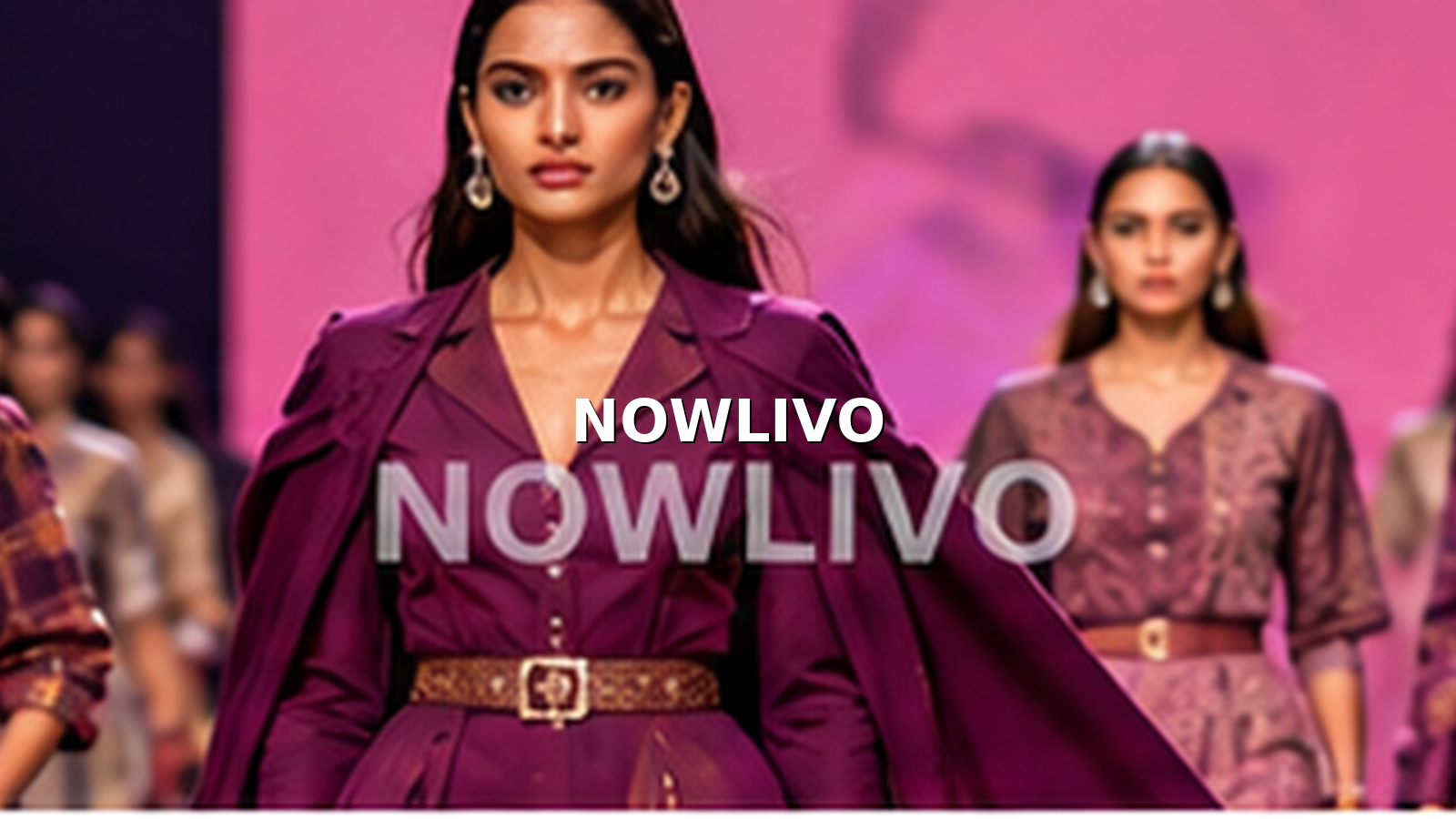
How to adapt this season’s purple, plaid and textured looks without replacing your wardrobe. This guide explains the practical details, what is confirmed, what can vary and how readers can make informed choices without relying on rumours or promotional claims.
What is being discussed for fall 2026
Fashion editors have recently highlighted rich purple, tailored plaid, textured materials and investment-worthy jackets for fall 2026. These are styling directions, not a requirement to buy an entire new wardrobe. The useful next step is to turn the idea into a concrete decision. Write down what you already know, what information is missing, and what you can check directly. That simple habit reduces avoidable mistakes and prevents a dramatic headline from substituting for practical evidence. Readers with different budgets, locations and experience may reasonably arrive at different choices.
Why one accent works
A purple scarf, knit or shirt can refresh neutral clothes without making every item difficult to pair. Consider how the colour looks in daylight and whether it suits pieces you already own. There is also a difference between a general pattern and a guarantee. One example may explain how something works, but it cannot predict every individual experience. Pay attention to the conditions attached to a claim, the date of an announcement, and whether the information is coming from an official record, a seller, or an opinion piece. Treat uncertainty as a reason to verify details, not as a reason to ignore the topic.
Using plaid carefully
Plaid can appear as a shirt, skirt, overshirt or scarf. If the check is bold, keep the rest of an outfit simple so the pattern remains intentional rather than visually crowded. For readers trying this in everyday life, a small test is usually more informative than a large commitment. Compare two realistic alternatives, note the result and adjust. The aim is not to find one universal answer, but to make the next decision with more context. A thoughtful comparison should include time, money, comfort and the consequences of getting it wrong.
Texture without overheating
Runway layers are created for visual impact. In a warm climate, look for lighter woven textures and breathable alternatives to thick jackets, rather than copying an entire cold-weather outfit. Another point that is often missed is the role of context. Advice that works in a professional setting, competition arena or specialised workshop might not transfer unchanged to a household or beginner. Ask who the original advice was intended for. Then adapt the parts that fit your situation, while setting aside details that depend on equipment, expertise or circumstances you do not have.
Choose a practical jacket
A well-fitting jacket should let you lift your arms and wear your usual top underneath. Check seam strength, button placement and whether the lining is comfortable. Avoid making decisions on appearance alone. Photos, short clips and social posts leave out history, limitations and trade-offs. Whenever possible, examine the underlying specification, rules, measurements or official communication. A clear note of what is confirmed, what remains provisional and what is personal preference will keep the conclusion balanced and useful even when new information arrives.
Buying secondhand
Secondhand jackets and plaid shirts can be an economical way to test a style. Inspect cuffs, collars, closures and fabric odour before buying, especially from sellers without returns. It helps to keep a simple record of what changes over time. This might be a list of costs and wear, a training log, an official competition result, or a comparison of before-and-after decisions. Records should not become complicated projects; a few relevant observations are enough. The value comes from comparing like with like instead of relying on memory or the excitement of a single moment.
Dress codes still matter
The same purple item can work in a business meeting, college or weekend gathering when paired differently. Think about footwear, fabric sheen and fit instead of interpreting the trend as one exact outfit. Think about accessibility and practical constraints as well. People do not have equal access to specialist shops, formal coaching, premium products or reliable transport. Advice is stronger when it offers a realistic starting option and an upgrade path rather than assuming an unlimited budget. A sensible first choice is one that can be followed consistently and changed safely if circumstances evolve.
Build around what you own
Write down three outfits using your existing jeans, trousers or skirts before adding an item to a cart. If a proposed purchase completes only one impractical outfit, reconsider. Be especially careful with comparisons made across different conditions. The headline number or most eye-catching detail may be correct and still be misleading without the wider picture. Look at timing, method, available alternatives and intended purpose. Where the facts cannot be checked, say so rather than filling a gap with an assumption. That approach protects both the reader and the quality of the conclusion.
Colour and care
Deep dyed garments may transfer colour onto pale bags or inner layers. Follow wash instructions and test carefully as permitted by the label. A second opinion can be useful when the decision involves cost, safety or a major commitment. Ask someone with relevant experience to explain how they would evaluate the options, not simply which option they prefer. Request specific reasons and check them independently. Good advice makes its assumptions visible and allows readers to disagree based on their own priorities.
Trend photographs versus reality
Studio lighting, pins and tailoring can dramatically change the fit of an outfit in photographs. Read measurements and reviews rather than trusting a posed image alone. After the initial decision, review whether the outcome matched the expectation. Did it solve the original problem? Was there an unexpected cost, a change in conditions or information that should influence the next attempt? This feedback loop matters more than following the newest trend perfectly. It encourages gradual improvement and reduces impulsive repeat decisions.
Sample outfits
For work, try charcoal trousers with a muted purple top. For weekends, combine plaid overshirt with plain denim. For an evening event, choose one textured statement piece rather than stacking all three ideas. Useful reporting separates the event itself from what it may mean later. Official statements can establish a schedule, scheme or result, while predictions about long-term impact require additional evidence. That distinction is particularly important when readers are making plans based on a new development. Check fresh notices before relying on dates, eligibility or changing details.
What lasts beyond a season
The strongest trend purchase is one you will wear repeatedly. Good fit, repairable construction and compatibility with current clothes matter long after a particular shade leaves fashion headlines. Ultimately, the most helpful question is not whether a topic is popular today, but what action a reader can take with reliable information. Summarise the confirmed facts, consider alternatives, and use a manageable checklist. That gives the article lasting value after social-media interest fades and makes it easier to update accurately if circumstances change.
Quick questions readers ask
Where should I verify changes?
Prioritise original announcements, official results or the product details of the organisation responsible. Check the date and scope before relying on a screenshot or repost.
What should I do first?
Start with the most useful small step described above and keep a record of the result. Avoid expensive commitments until you know the option fits your needs.