India Ends Asian Para Games Campaign With 114 Medals
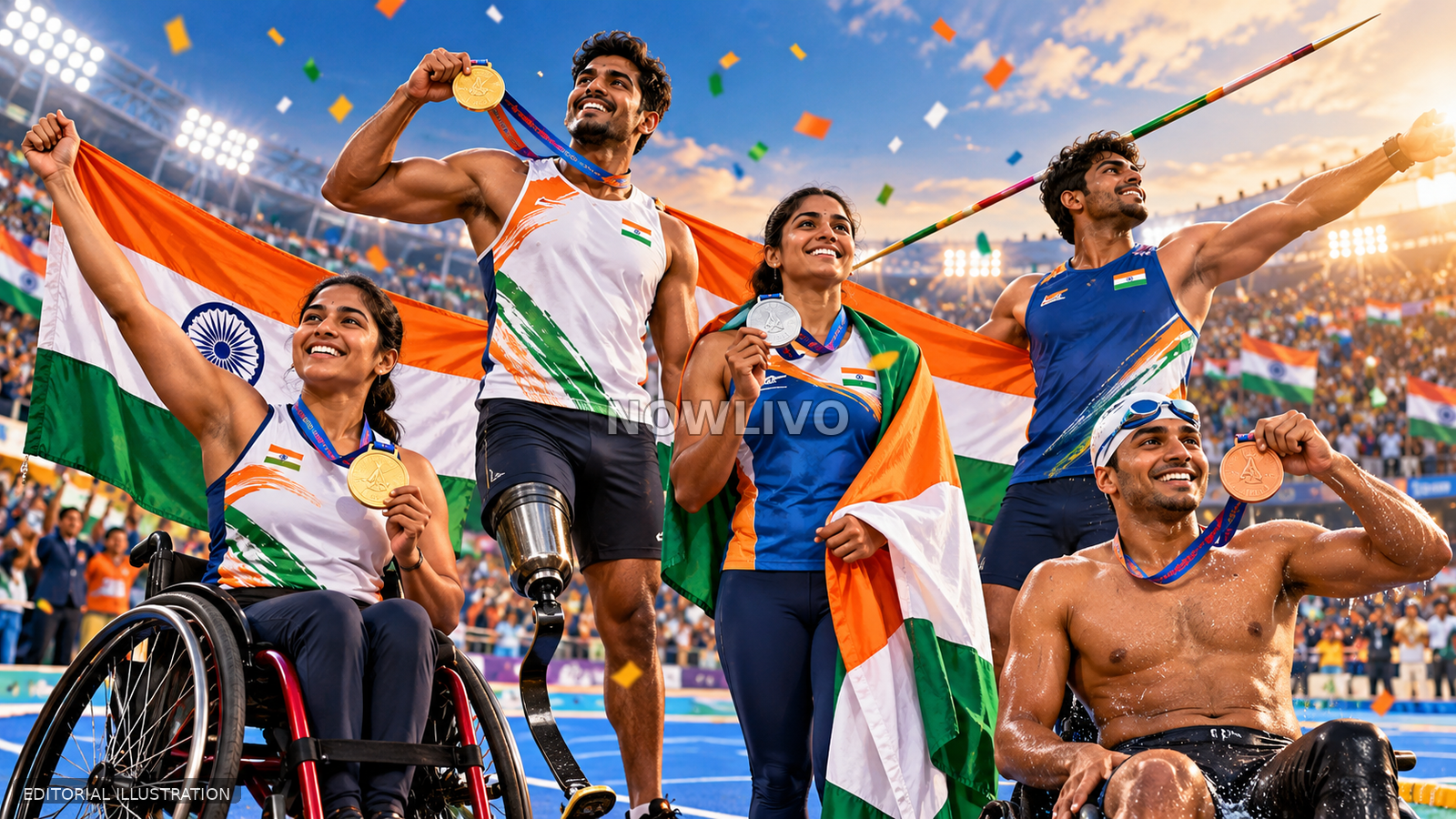
India concluded its 2026 Asian Para Games campaign with 114 medals, according to reports from the final day of competition. The total reflects results across a broad programme rather than one headline event, and late performances in throwing events and swimming helped shape the closing picture. The campaign has offered a visible reminder of the range of Indian para-sport talent, from athletes competing on the track and field to competitors in the pool. A medal tally is an easy way to follow a multi-sport event, but it is only one measure of performance. The longer-term question is whether success on the international stage can translate into stronger pathways, more accessible facilities and sustained support for athletes after the closing ceremony.
A 114-medal finish
The final tally reported for India was 114 medals. That number gives fans a clear headline for the campaign, but it should be read alongside the distribution of sports, event classes and individual performances. Para-sport competition includes classifications designed to create fairer competition among athletes with different impairments, and events can be difficult to compare without that context. A large overall tally can reflect depth across disciplines rather than dominance in one sport. It is also important to distinguish the final total from interim estimates made while events are still under way. The reported 114 medals represent the campaign’s closing figure, not a projection or a target that was still being pursued.
Late performances made a difference
Reports on the final day highlighted another strong set of Indian results in athletics and swimming. In the field, there was a double-podium result in the men’s club throw, including gold for Pranav Soorma, while the men’s javelin featured a podium sweep led by defending champion Sumit Antil. Indian para-swimmers also added 11 medals during their campaign, with performances that helped widen the team’s contribution beyond the most visible track-and-field events. These details matter because they show how a national total is assembled: through individual events, different classifications and athletes whose names may not attract the same attention as established stars.
Why multi-sport success is meaningful
A regional multi-sport Games tests more than an individual athlete’s peak performance. Teams need classification expertise, coaching, medical support, travel planning, equipment, recovery resources and strong competition preparation. Athletes may have different training requirements based on sport and classification, making broad programmes complex to manage. Medal results provide evidence that athletes and support staff were able to convert preparation into competitive outcomes. They can also help the public discover events that receive limited attention outside major competitions. However, a medal count cannot capture personal bests, close finishes, injuries overcome or the work of athletes who finish outside the top three. Those stories remain part of the team’s sporting picture.
Accessibility and the next stage
High-profile performances can create momentum for accessible training venues, better equipment access and wider participation opportunities. That momentum depends on follow-through from governing bodies, schools, clubs, sponsors and local sports programmes. Accessibility involves more than a ramp into a stadium. It can include transport, changing facilities, accessible information, competition pathways and coaching that understands the needs of para-athletes. Families and aspiring competitors also need reliable routes from community sport into elite programmes. The most useful legacy of a successful Games would be a visible improvement in those everyday systems, not just celebratory coverage during the medal ceremony.
The importance of classification
Para-sport classifications are designed to group athletes in ways that minimise the impact of eligible impairments on the result, while preserving the skills that each sport measures. The process is technical and sport-specific; a classification in swimming does not automatically apply to athletics. Readers comparing medal tables should remember that athletes may compete in multiple classifications, which creates more events than the same sport might have in a non-para programme. This does not diminish a medal. It is part of how the competition attempts to produce meaningful, fair outcomes. Accurate coverage names the event and class where possible and avoids treating every race or throw as interchangeable.
Why coverage should go beyond medals
The public conversation often grows loudest around gold medals and records. But national systems are built through many less visible contributions: local coaches, physiotherapists, equipment specialists, family members, club volunteers and organisations that make training possible. Strong reporting can use the 114-medal figure as an entry point and then explain how athletes reached the podium and what conditions shaped their preparation. It should also avoid turning individual success into a simplistic story of inspiration without discussing performance, skill and competition. Para-athletes are elite athletes first; their techniques, tactics, consistency and competitive pressure deserve the same sporting attention paid to any other championship.
What results can and cannot tell us
A final tally can establish how many medals a team earned under the event’s official accounting, but it does not alone show whether a country’s overall system is improving. Comparisons with previous editions should account for changes in the programme, participating teams and number of events. One campaign may include exceptional performances by a small group; another may show broader depth across more disciplines. Coaches and administrators need event-level results, athlete development data and injury or participation information to assess progress properly. For fans, the tally is a useful summary. For policymakers, it should be one metric among many when deciding how to support para-sport after the Games.
Looking beyond the closing ceremony
The next stage is turning the spotlight into consistent opportunities. National federations and local organisers can build on the exposure by promoting accessible entry points, ensuring competitive calendars and helping young athletes find events suited to their interests. Sponsors and broadcasters can also help by covering preparation and season-long competition rather than appearing only for major medals. The 114-medal finish gives Indian sport a positive moment to recognise, while leaving practical work ahead. Athletes will return to individual training plans and upcoming competitions. The most durable tribute to their performances will be continued attention to the structures that allow them to compete, improve and represent India again.