Iran Says Indian Commercial Ships Are Exempt From Hormuz Transit Restrictions
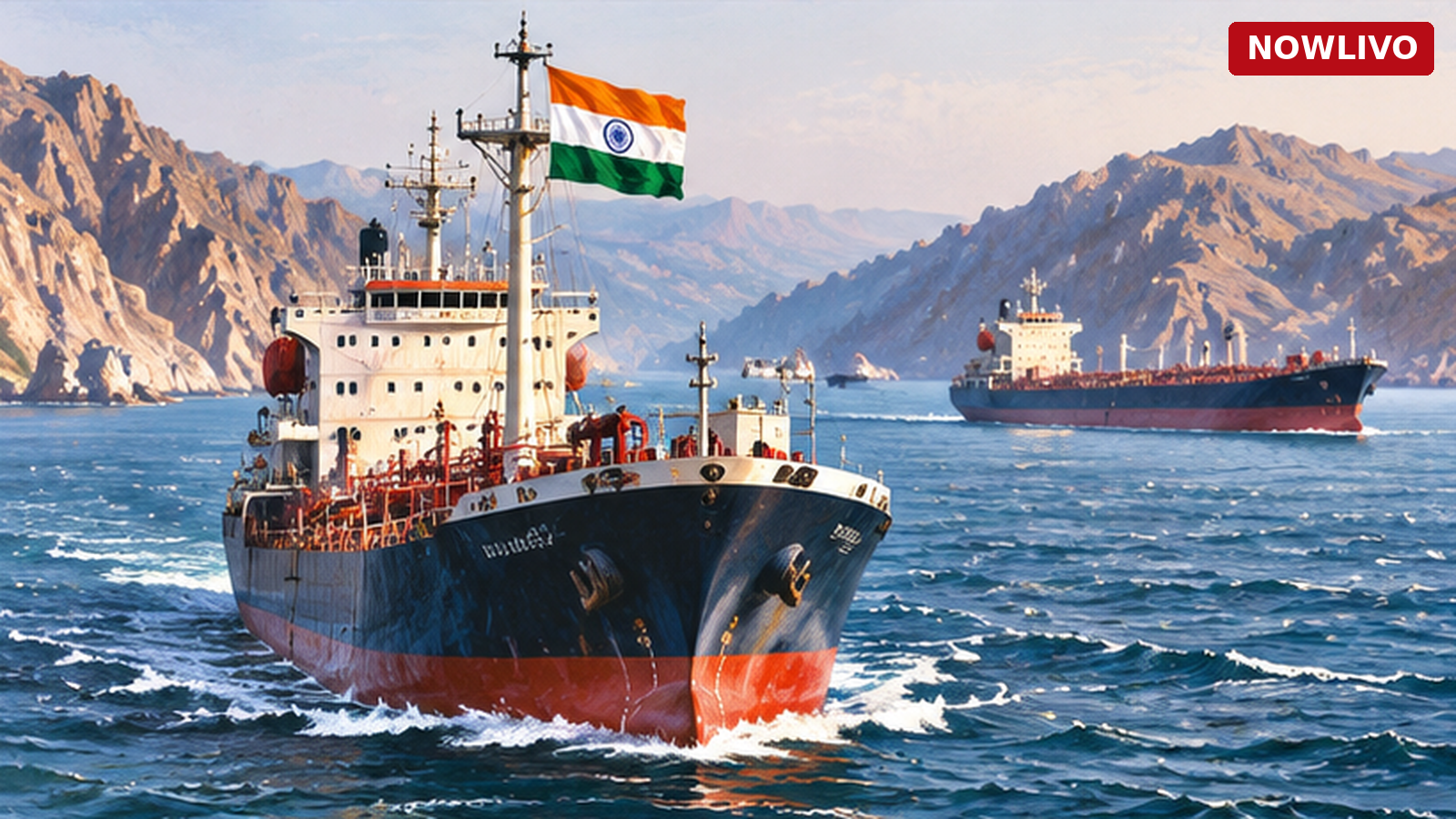
Iranian official describes an exemption
An Iranian parliamentary official has said commercial ships from India, China, Iraq and Qatar are exempt from transit restrictions in the Strait of Hormuz, according to a PTI report published on November 4. The statement comes amid severe disruption to shipping in the strategically important waterway. It is a potentially significant development for Indian trade, but the claim should be read as an official’s reported account rather than an independently verified guarantee that every voyage will proceed without risk.
What was announced
Amir Hayat Moghadam, deputy chairman of the Iranian Parliament’s National Security and Foreign Policy Committee, made the remarks in an interview with the Iranian Students’ News Agency. PTI reported that he identified four exempted countries: India, China, Iraq and Qatar. He linked the treatment of Indian vessels to Iran’s interest in obtaining medicines from India, while describing other exemptions as based on separate political or economic considerations.
Why the strait matters
The Strait of Hormuz connects the Persian Gulf with the Gulf of Oman and is a critical passage for energy exports. In normal times, roughly one-fifth of global energy supplies pass through it, according to the PTI account. Disruption can affect shipping schedules, insurance costs, freight rates and the availability of cargo. For India, whose economy depends on imported energy and extensive maritime trade, changes in access are watched closely by businesses and policymakers.
Restrictions remain a serious issue
The report says maritime traffic has been heavily disrupted since the conflict escalated in late February, with attacks on vessels and restrictions imposed on passage. Some ships have faced screening or transit charges. The official’s comments do not mean the waterway has returned to normal commercial operation. An exemption from one set of restrictions does not eliminate security threats, insurance concerns or decisions made by individual shipping companies.
Indian seafarers face continuing risks
The human consequences of the shipping crisis remain severe. PTI reported that at least 15 Indian seafarers had died in attacks on ships in the region since the conflict began, including a sailor killed in an incident near Oman earlier in the week. Those figures underline why a claimed easing of transit restrictions should not be presented as the end of danger for crews. Safe passage requires conditions at sea to improve as well as political assurances.
What the statement does and does not establish
The reported exemption is a statement attributed to an Iranian official. The account does not include a comprehensive operational notice, a vessel-by-vessel clearance list or independent confirmation from every authority involved in maritime security. Ship operators will still need to follow applicable advisories and their own risk assessments. It would be premature to tell readers that Indian vessels can sail freely under all circumstances.
Potential effects on trade
If the exemption is implemented consistently, it could provide an important channel for Indian cargo and reduce some obstacles to regional trade. That may be particularly relevant for medicines and essential supplies. But the commercial impact will depend on actual ship movements, insurance arrangements and the broader security environment. The announcement alone cannot establish that freight costs or oil prices will fall.
The next test is practical passage
The most useful follow-up will be confirmation of how the exemption operates: whether Indian-flagged and India-linked ships are treated the same way, which clearances are required, and whether shipping firms resume routes they had avoided. Until then, the clearest verified development is that a senior Iranian parliamentary figure publicly described an exemption for India and three other countries amid a continuing maritime crisis.