Virat Kohli Hits 74 as India Beat New Zealand by Five Wickets in Rain-Hit First ODI
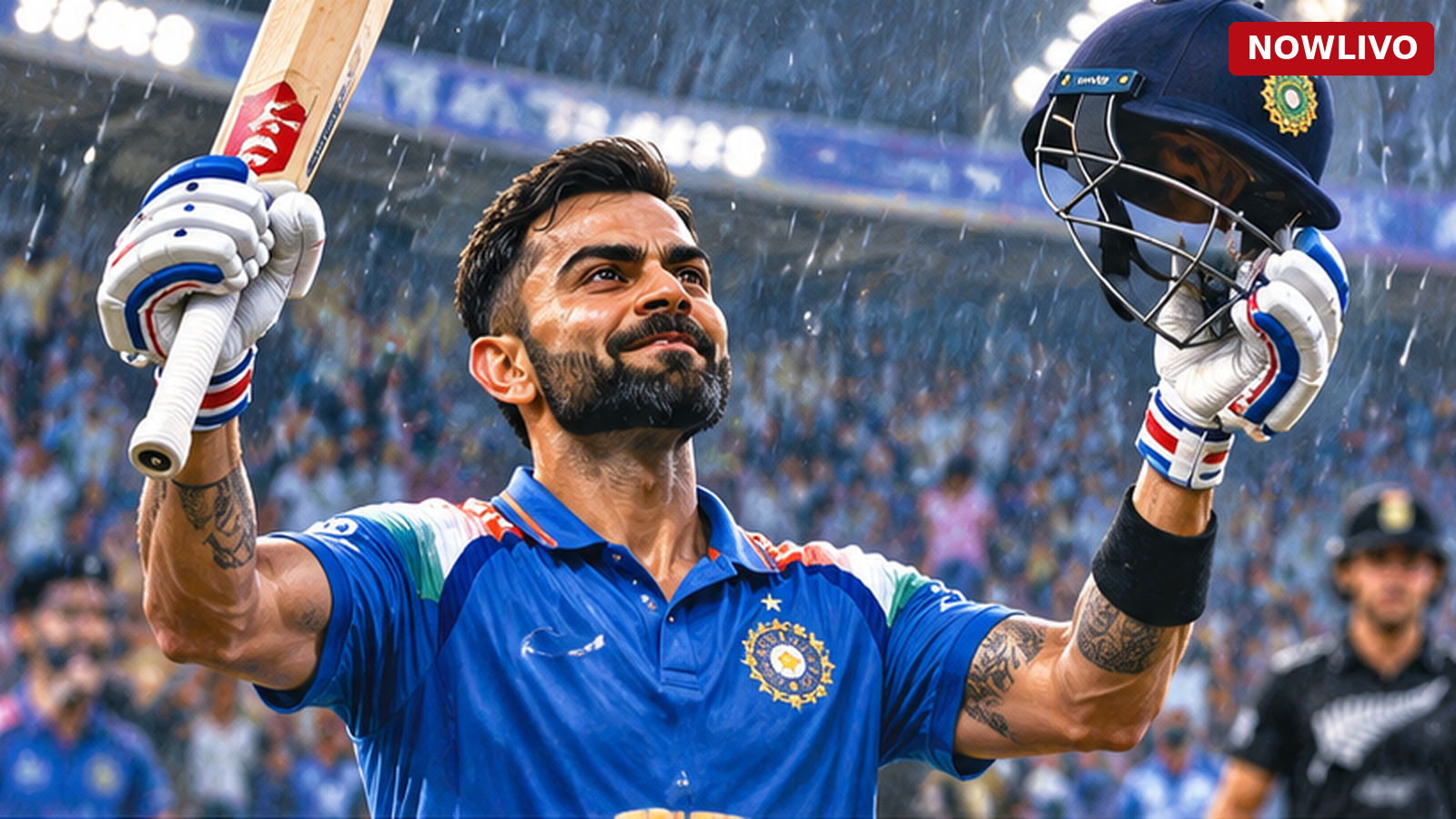
Auckland victory puts India ahead
India opened the five-match one-day international series against New Zealand with a five-wicket victory at Eden Park in Auckland on Wednesday, November 4. The result was shaped by a disciplined pace-bowling performance and a fluent 74 from Virat Kohli, whose innings helped India negotiate a rain-interrupted chase. The win gives India a 1-0 advantage, but the match was more complicated than a routine pursuit of a modest total.
What happened in the chase
New Zealand were dismissed for 185 in 40.2 overs after India chose to bowl. Rain then intervened during the reply, prompting a revised target of 143 under the Duckworth-Lewis-Stern method. India reached 143 for five in 22.4 overs. Kohli made his 74 from 51 deliveries and helped establish the position from which the visitors could complete the pursuit despite losing wickets later in the innings.
Kohli leads the reply
Kohli’s knock came on the eve of his 38th birthday and marked his 80th ODI half-century, according to Reuters. His contribution stood out for the way he maintained scoring momentum through interruptions and changes in the required equation. Captain Shubman Gill also contributed 37, and the pair added 113 for the second wicket. Their partnership was the central reason a potentially awkward rain-adjusted chase remained within India’s control.
The bowling performance mattered first
India’s bowlers had already made the match manageable by keeping New Zealand to 185. Arshdeep Singh claimed four wickets for 70 runs, Gurnoor Brar took three for 44 and Anshul Kamboj finished with two for 22 in his ten overs. Kamboj’s economy and sustained pressure earned him the player-of-the-match award. The wickets were shared across the attack, rather than relying on a single spell to change the contest.
New Zealand struggled to build partnerships
New Zealand’s batting order had several starts without the sustained stand needed to exploit the short boundaries at Eden Park. Tim Seifert, brought into the side following Devon Conway’s concussion, made 38. Glenn Phillips contributed 30 and Daryl Mitchell 28, while Blair Tickner hit a late 34 to lift the total. India’s fielding also featured a striking catch by Kohli, adding another memorable moment to his day.
Why the rain adjustment matters
A DLS result is not simply a comparison of the original innings totals. The method recalculates a target when overs are lost, taking into account available resources and the state of the chase. That is why India did not need to reach New Zealand’s original 185. The revised target was 143, and the visitors completed it with five wickets remaining. Readers comparing scorecards should distinguish the first-innings total from the target that applied after the interruptions.
The series moves on
The next match is scheduled for Wellington on Saturday. India will take confidence from an attack that performed effectively in overcast conditions and from Kohli’s assured return to ODI action. New Zealand, meanwhile, must find a way to build larger partnerships and challenge India’s batters for longer periods. The opening result settles only the first game of five; the series remains open, and team selection and fitness could still shape the remaining fixtures.
What the result means
For Indian supporters, the headline is both a win and a significant individual performance from Kohli. Yet the full picture includes Kamboj’s economical ten overs, Arshdeep’s four wickets and a chase recalibrated by weather. Those details explain why India were able to win despite interruptions and a late loss of wickets. Any assessment of the remaining matches should start with those performances rather than assuming conditions in Wellington will reproduce Auckland’s pattern.