Iran Says It Received U.S. Response to Proposal as Mediators Continue Talks
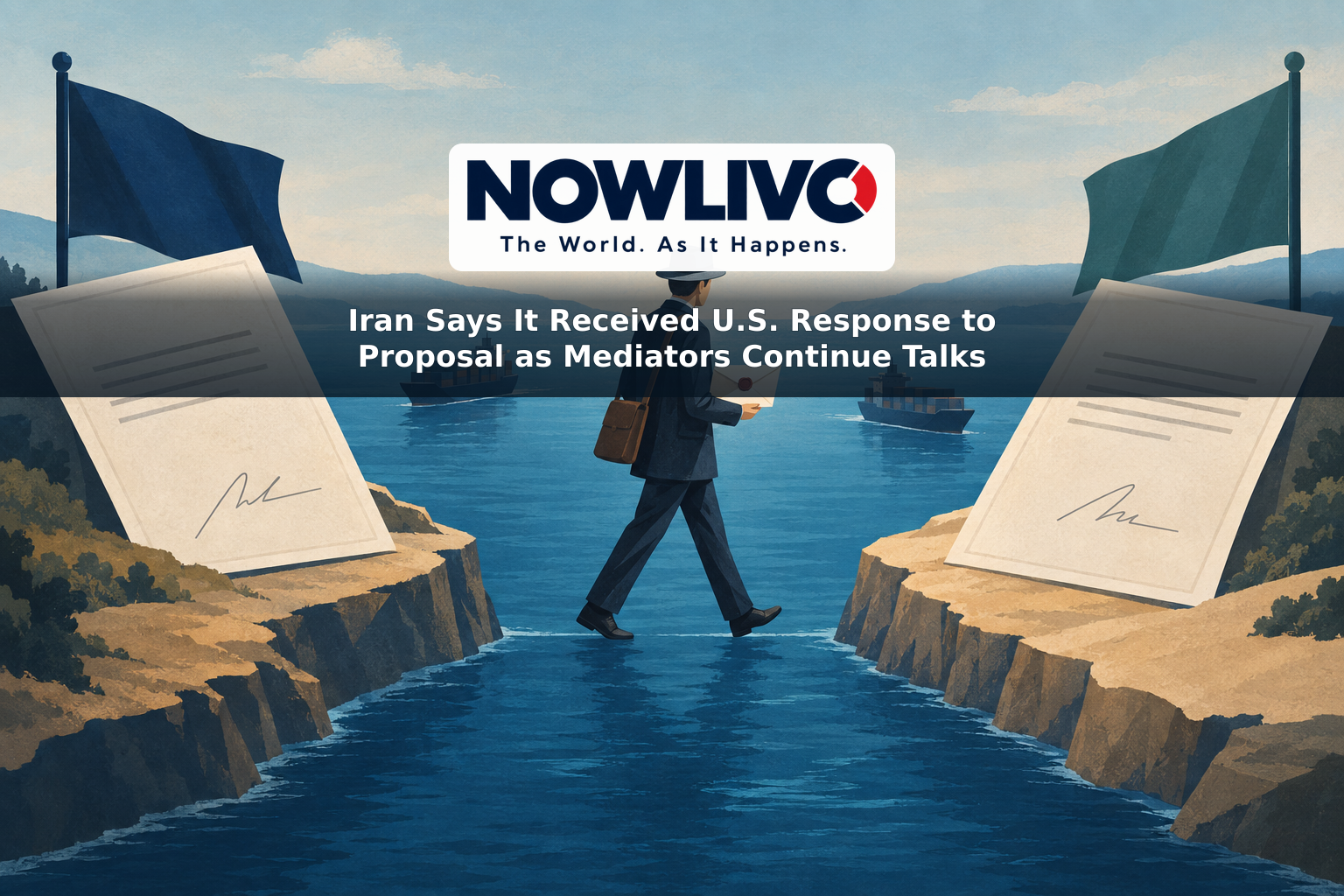
Iran said Wednesday, September 30, that it had received a U.S. response during diplomatic efforts to end the war and reopen the Strait of Hormuz. Tehran did not disclose the response’s terms or say whether Washington had accepted, rejected or proposed changes to Iran’s latest offer.
Government spokesperson Fatemeh MohajerForeign Minister Abbas Araghchi presented the American position to President Masoud Pezeshkian at a Cabinet meeting. Her account marks a change from earlier in the week, when Araghchi said Iran was still waiting for mediators to convey Washington’s definitive view. The United States has not publicly set out the terms of the response described by Iran.
The distinction matters because President Donald Trump had already publicly dismissed Tehran’s proposal. Iranian officials nevertheless sought a response through the mediators handling the exchange. Receipt of that response shows the diplomatic channel remains active; it does not establish that either side has agreed to a deal.
What Iran has put forward
Araghchi outlined Iran’s offer on September 25, saying Tehran could restore passage through the Strait of Hormuz on a seven-day schedule if the United States accepted a series of conditions. Those included ending the U.S. naval blockade of Iranian ports, allowing Iranian oil sales through sanctions waivers, releasing frozen Iranian assets and observing a broader ceasefire. Iran’s plan would then move to talks on a longer-term agreement, including its nuclear program.
That timetable is conditional. Araghchi said the seven-day sequence would begin only after U.S. acceptance. Iran has not announced such acceptance, and no reopening date has been agreed. Its proposal also raises questions beyond the waterway, including how a wider cessation of fighting would be defined and carried out.
Trump said the Iranian offer was unacceptable. U.S. officials have also maintained that Washington wants meaningful progress on Iran’s nuclear program as part of any agreement. Iran’s publicly described plan places initial emphasis on relief from the blockade and sanctions, with broader nuclear negotiations to follow. The order in which those steps would happen remains a central obstacle.
Mediators carry the exchange
Qatar has been a principal go-between, conveying proposals and responses while the two sides negotiate indirectly. Araghchi met Qatari mediators during and after last week’s United Nations meetings in New York. Iranian officials have also described contacts involving Pakistan. The mediators’ role is to carry messages and explore terms both governments might accept, not to commit either government to an agreement.
At the Cabinet meeting, MohajerAraghchi had reviewed his New York meetings and Iran’s conditions for reopening the strait. Pezeshkian expressed support for pursuing an agreement that protects Iranian interests. Those are statements of Tehran’s position, rather than evidence that the latest U.S. response meets its conditions.
Washington has expressed willingness to communicate through mediators, while Trump’s public rejection and the administration’s insistence on addressing nuclear issues indicate the limits of that opening. The U.S. Treasury Department announced another round of Iran-related sanctions on September 29, underscoring that economic pressure continues alongside the diplomatic contacts.
What comes next
The immediate question is how Iranian leaders assess the response Araghchi presented. They could seek clarification, send revised terms through Qatar or other intermediaries, or decide the gap is too wide to advance the proposal. Washington, for its part, has not publicly announced an agreed next meeting, a joint timetable or a change to its stated position.
Any workable arrangement would need more than a statement of intent. The sides would have to settle which steps come first, how changes to shipping and the blockade would be verified, what sanctions relief would cover, and when nuclear discussions would begin. Regional governments involved in mediation would also have a stake in the practical arrangements for the strait.
For now, the confirmed public development is narrower than a breakthrough: Iran says a U.S. response has reached its leadership, but has not revealed its substance. Whether that exchange leads to revised proposals or formal negotiations depends on decisions neither side has announced.